Many gardening enthusiasts mistakenly believe that Mediterranean flora thrives exclusively in scorching, arid conditions. However, applying this drought-only mindset to your fig tree is a fast track to a disappointing harvest. Depending on whether your tree lives in a patio container or is planted directly in the yard, its hydration requirements vary wildly. Agricultural specialists emphasize that while a watering can is essential during the warmer months, overdoing it can quickly ruin your chances of enjoying those sweet, homegrown fruits.
Mastering Potted Fig Hydration
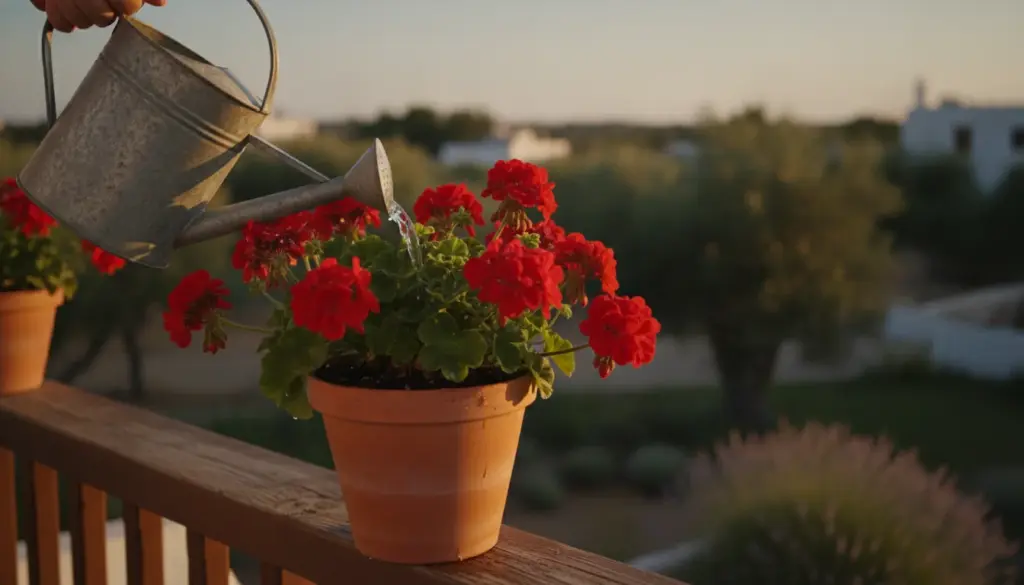
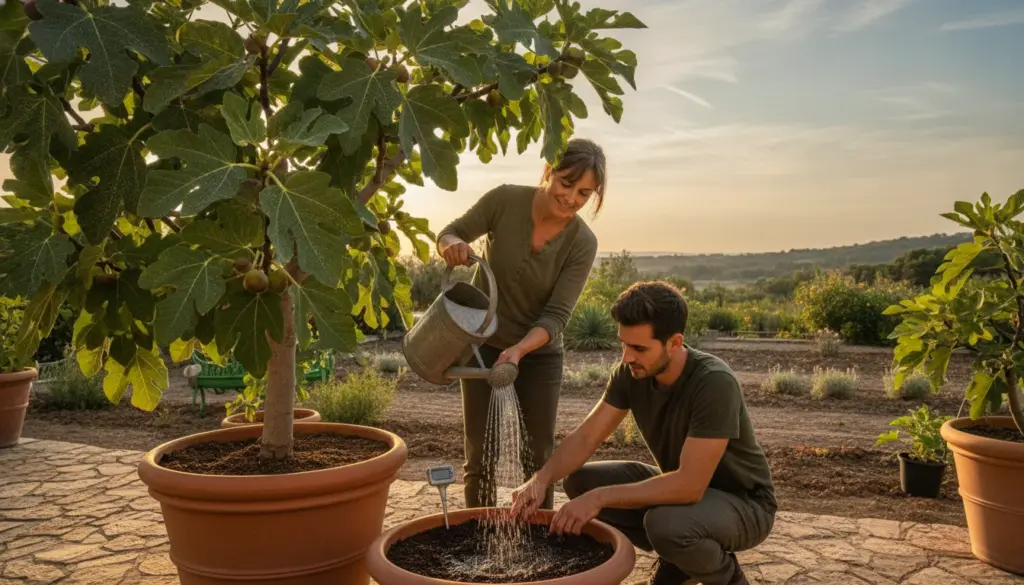
Cultivating a fig tree in a container requires a careful touch, especially when temperatures soar. During intense heatwaves and the active fruit-ripening phase, these potted plants demand substantial and consistent moisture. Conversely, when the summer weather cools down, their thirst drops significantly.
To get this balance right, experts recommend the clever 10-percent rule. The concept is straightforward: if you pour one liter of water into the soil, exactly 100 milliliters should drain out the bottom. This deliberate excess guarantees that the root ball is thoroughly soaked. At the same time, it safely flushes out accumulated salts, such as sodium and sulfate compounds, which can quietly harm the plant over time. Morning hours are ideal for this task, or you might consider setting up a convenient drip irrigation system.
As spring and autumn roll around, scale back your watering routine. During chilly periods, provide only modest amounts of moisture and never leave standing water in the drainage saucer. If you are overwintering your deciduous tree in an unheated greenhouse, keeping the soil mostly on the dry side is best. Watering just once every three to five weeks is usually perfectly sufficient.
Essential Guidelines for Fig Irrigation
- Embrace hard water: Fig trees naturally prefer alkaline, calcareous moisture, making standard tap water an excellent choice for hydration.
- Watch the foliage: Inspect your plant weekly throughout the summer. If you spot drooping leaves, it is time to grab the watering can immediately.
- Prevent soggy roots: Always dump out leftover water from the saucer. If planted in a bed, ensure the earth offers excellent drainage.
Field-Planted Figs: Why Less is Often More
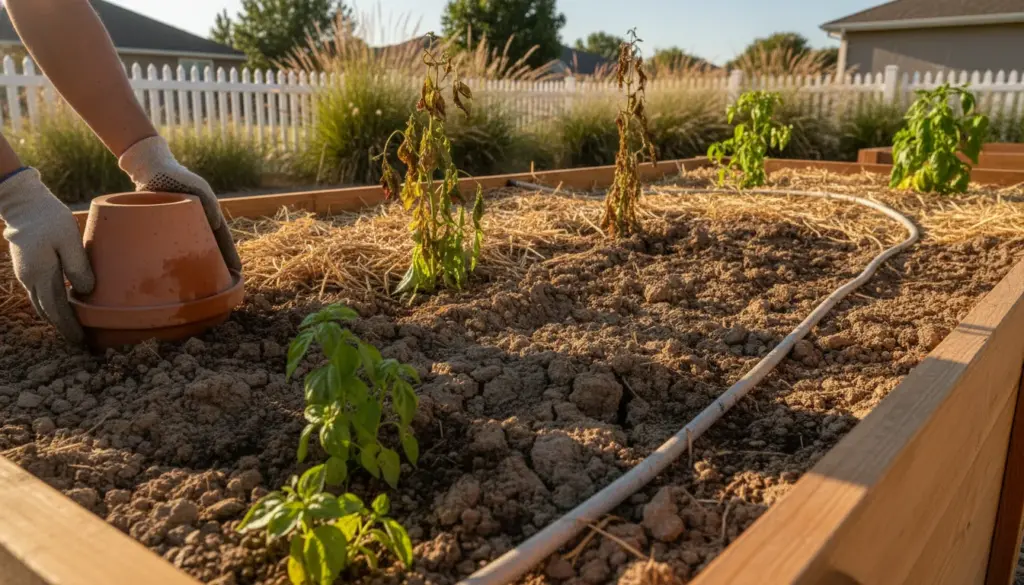
Once a fig tree is permanently established in your garden soil, the strategy completely shifts. The secret during dry summer months is extensive interval watering. For the first two years of the tree’s life in the ground, you actually want to expose it to longer dry spells. This controlled stress encourages the roots to grow much deeper into the earth.
If your garden features sandy soil, aim to water heavily once or twice a week. For heavier clay soils, spacing out hydration to every one or two weeks is plenty. By forcing the plant to seek out moisture in lower soil layers, it naturally develops a robust, drought-resistant root system.
Nature often takes care of the job for you. If a heavy downpour delivers more than 15 millimeters (liters per square meter) of rain, you can entirely skip your scheduled watering. Proper drainage is absolutely critical here. Incorporating gravel or coarse grit into the planting hole prevents dangerous waterlogging, which is easy to spot if puddles linger long after a storm. In overly compacted, clay-heavy earth, the roots cannot breathe, leading to inevitable plant failure.
Navigating Heatwaves and Fruit Development
Whether nestled in a decorative pot or sprawling across a garden bed, your fig tree experiences a massive spike in its liquid needs during two specific windows. Summer heatwaves and the exact moment fruits begin to ripen are high-demand phases.
During these crucial weeks, the plant burns through immense energy to produce those large, succulent figs you have been waiting for. Adjust your routine accordingly by providing generous, deep soakings, while always remaining vigilant against the hidden dangers of trapped, stagnant water.