
While fig trees are absolute sun-worshippers, a bountiful harvest depends entirely on your watering technique. An experienced professional reveals why simply drenching the soil isn’t always the best approach and breaks down the crucial 10-percent rule.
It is incredibly easy to assume that all Mediterranean greenery thrives in bone-dry conditions under blazing sunlight. However, applying this extreme logic to your fig tree is a massive mistake that could completely ruin your harvest. Depending on whether your plant lives in a container or out in the open garden, its hydration needs will drastically differ. Professional growers clarify exactly how to strike the perfect balance. While a watering can is undoubtedly your greatest ally during the hotter months, overdoing it can quickly shatter your dreams of harvesting sweet, juicy fruits.
Mastering Potted Fig Tree Hydration
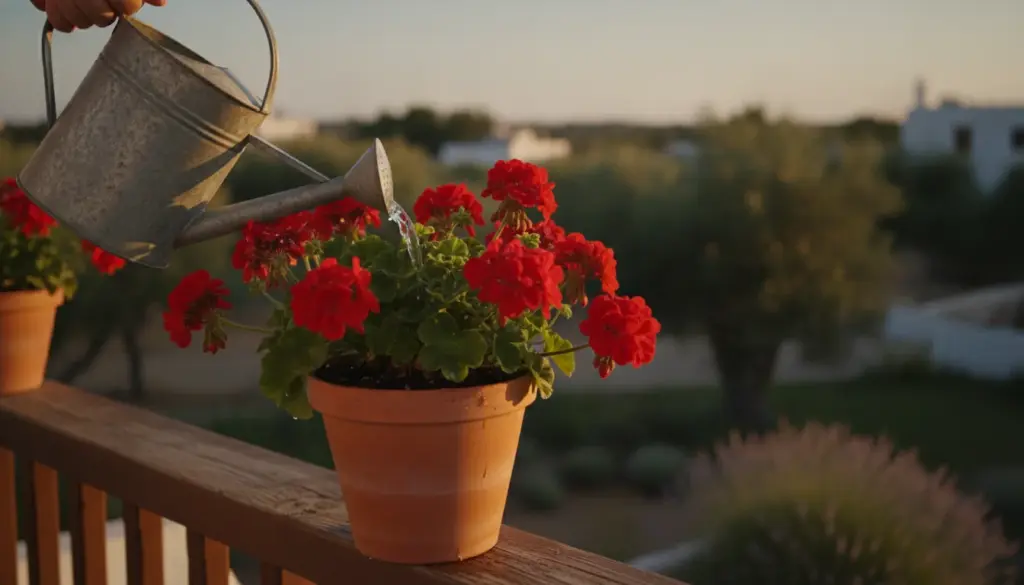
Container-grown figs demand a bit of extra intuition, especially throughout the summer. During intense heatwaves and the crucial fruit-ripening phase, the plant requires a steady, abundant supply of moisture. Conversely, when the summer weather cools down a bit, you should significantly reduce your watering frequency.
To nail this balance in everyday practice, experts swear by the 10-percent surplus rule. The concept is remarkably simple: for every liter of water you pour into the pot, exactly 100 milliliters should drain out of the bottom. This clever method guarantees that the root system is thoroughly quenched. At the same time, it actively flushes out harmful excess minerals like sodium and sulfate compounds from the soil. For optimal results, grab your watering can in the morning or set up a convenient drip irrigation system.
Once spring and autumn roll around, your plant’s thirst naturally decreases. During these transitional seasons, water sparingly and strictly avoid leaving any standing moisture in the saucer. When your tree moves into its winter quarters, such as an unheated greenhouse, the soil should remain largely dry. Deciduous plants resting in the winter only need a light drink every three to five weeks.
Essential Watering Ground Rules
- Choose the right water: Fig trees actually prefer alkaline, calcium-rich water, making standard tap water a fantastic choice.
- Monitor regularly: Inspect your summer foliage weekly. If the leaves start to droop, it is time to hydrate immediately!
- Prevent wet feet: Always pour out leftover water from the drainage saucer. If planted in a bed, ensure the earth has excellent drainage capabilities.
Watering Garden Figs: Why Less is More
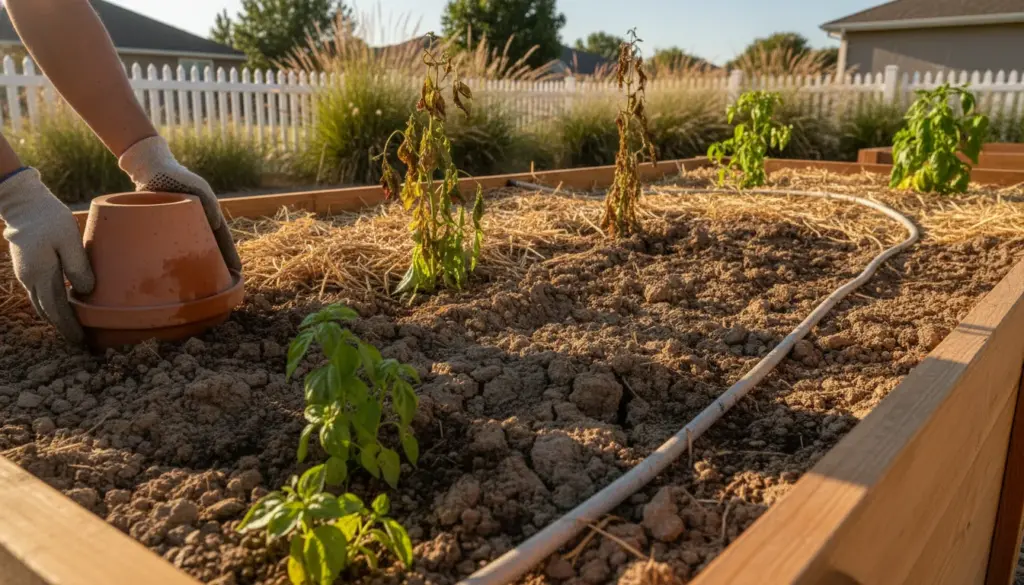
The moment your fig tree is permanently rooted in the garden earth, your hydration strategy must shift completely. During parched summer months, deep interval watering becomes the golden rule. Especially throughout its first two years in the ground, you should deliberately expose the young tree to extended dry spells. This tough-love approach encourages the roots to grow deep into the earth.
For sandy terrain, a thorough soaking once or twice a week is plenty. If you are dealing with heavier, loamy soil, spacing your watering sessions one to two weeks apart is ideal. By doing this, you force the plant to seek out underground moisture reserves, ultimately making it far more robust and self-sufficient.
Mother Nature often lends a helping hand; if a heavy rainfall drops more than 15 millimeters of precipitation per square meter, you can skip your watering duties entirely. The foundation of a healthy garden fig is superb drainage, often achieved by mixing gravel or coarse pebbles into the planting hole. This prevents the dreaded waterlogging, which is easily identifiable if puddles linger long after a rainstorm. If the earth is too compacted, clay-heavy, or muddy, the root system will suffocate from a lack of oxygen and eventually die off.
Quick Hydration Guide by Age and Season
- Young Trees (Years 1-2): Container plants need steady, heavy watering during hot spells and fruiting. Garden plants require soaking once or twice weekly in sandy dirt, or every one to two weeks in loam.
- Mature Trees: Potted specimens maintain the same high thirst during summer peaks. Outdoor garden trees, however, only need rare but deep soakings during severe droughts or initial fruit development.
- Winter Care: Potted figs should be checked with the finger test and watered roughly every three weeks. Garden trees benefit from a generous drink on mild, frost-free days to prevent winter dehydration.
- Spring and Autumn: Keep container moisture moderate and strictly avoid letting water pool in the underlying trays.
Special Care During Heatwaves and Fruiting
Whether your plant resides in a cozy patio pot or out in the open garden beds, its thirst will skyrocket during two specific phases. Expect a massive spike in water consumption during blistering summer heatwaves and the exact moment those little green fruits begin to mature.
The tree burns through immense amounts of energy and liquid to plump up those large, mouth-watering figs. Simply tweak your routine during these critical windows to offer generous hydration, always keeping a watchful eye to prevent any stagnant water from suffocating the roots.