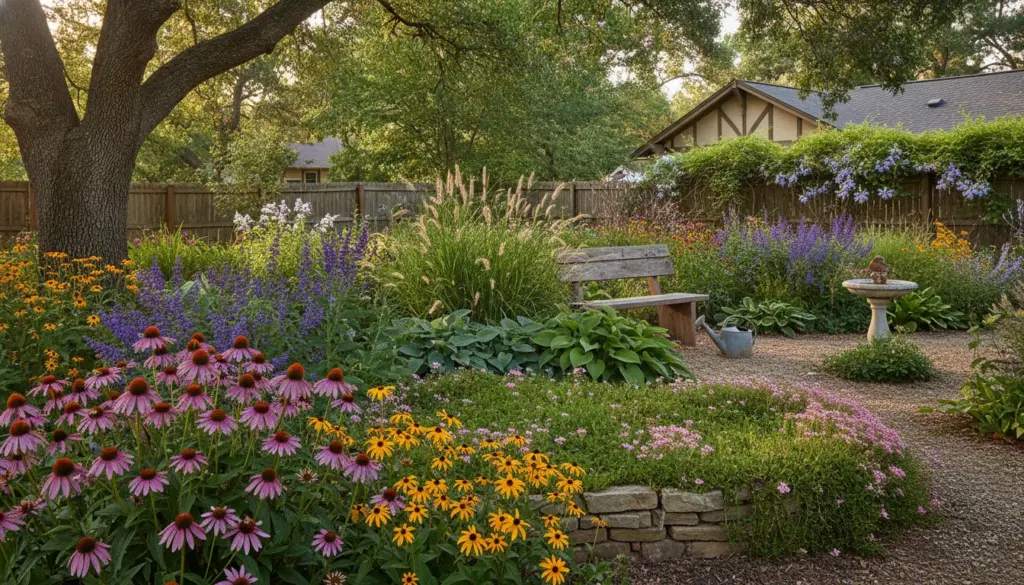
Short on time but still dreaming of a lush backyard? Certain botanical choices simply take care of themselves, even if your watering can gathers dust. Modern outdoor enthusiasts crave vibrant colors, pollinator-friendly blossoms, and dappled shade without the backbreaking weekend chores. The following sturdy foliage and blooming varieties deliver exactly that aesthetic. They handle dry spells with ease, demand virtually no attention, and effortlessly provide months of visual appeal.
Fuss-free perennials for reluctant weeders
Reliable herbaceous plants create a tranquil foundation for any outdoor space. Your best options are non-invasive varieties that happily stay put for years while forgiving the occasional gardening mistake. These four resilient favorites thrive in most environments, provided their roots aren’t sitting in soggy earth.
Cranesbill (Geranium species)
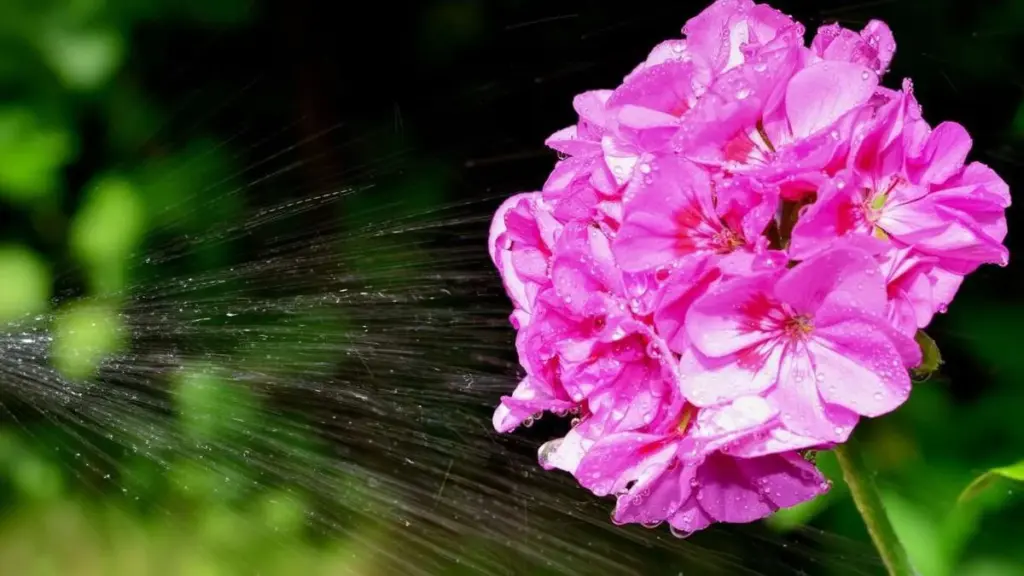
Hardy geraniums are absolute survivors in the landscape. Rather than spreading aggressively, they form tidy mounds and can comfortably remain in the same spot for a decade or more. You will find hundreds of cultivars available, ranging from ground-hugging creepers to taller border specimens.
For dry, shaded areas under trees or along north-facing walls, the Balkan cranesbill (Geranium macrorrhizum) is an excellent candidate. Conversely, the bloody cranesbill (Geranium sanguineum) basks in full sunlight and shrugs off summer droughts. Cultivating a low-intervention border is easily achieved by blending a few different geranium types.
As a highly adaptable perennial, cranesbill handles sun, shade, and parched conditions without requiring annual upkeep.
Planting three to five specimens of the same variety together creates a striking visual impact. A quick trim after their initial flowering often rewards you with a modest second flush of blooms in late summer.
Daylilies (Hemerocallis hybrids)
While their striking blossoms famously last for just a single day, these robust hybrids produce so many buds that your yard stays colorful for weeks. They flourish in sunny or partially shaded spots with nutrient-rich, slightly moist earth, yet they remain perfectly content without daily hydration.
Applying a handful of organic fertilizer once every spring usually covers their nutritional needs. When planted in clusters, their graceful, grass-like foliage forms attractive textured clumps. Alternatively, a single specimen positioned near a patio or walkway allows you to appreciate the intricate flowers up close.
- Expected blooming window: Typically June through August
- Ideal positioning: Full sun to partial shade
- Minimal upkeep: Spring feeding and clearing away spent foliage
Globe Thistle (Echinops ritro)
It is hard to miss the striking blue-gray spheres of the globe thistle. Resting on rigid stalks, these architectural flower heads emerge from July to September. If you enjoy supporting local ecosystems, this is a spectacular choice; on warm afternoons, the blossoms become a bustling hub for bees and bumblebees.
This specific thistle is remarkably unbothered by soil conditions. While ample sunlight is non-negotiable, it happily roots in well-draining sand, heavy loam, or even rocky patches. The only strict requirement is avoiding stagnant water around the root zone. Scorching summer dry spells pose absolutely no threat.
Globe thistles pair bold, structural beauty with near-zero maintenance, all while serving as a premium nectar source.
Leaving the faded stalks standing through winter adds a gorgeous frosty silhouette to your landscape. You can simply snip them down when early spring rolls around.
Woodland Sage (Salvia nemorosa)
Distinct from its culinary cousins, this ornamental sage boasts upright floral spikes in vibrant purple, pink, or crisp white. It serves as a dependable staple in sun-drenched borders. By occasionally snipping away spent stems, you encourage a continuous parade of blossoms from early summer well into the later months.
This vigorous specimen actually prefers nutrient-poor, sandy environments and thrives on neglect rather than overwatering. Heavy, waterlogged earth—particularly during the colder months—is its only genuine vulnerability.
Indestructible shrubs for effortless structure
Beyond herbaceous flowers, woody shrubs introduce essential height, privacy, and architectural framing to an outdoor sanctuary. The following three selections are notably resistant to pests and diseases. They rarely need the shears and bravely endure both intense heat and brief arid stretches.
Snowy Mespilus (Amelanchier lamarckii)
Often growing as a multi-stemmed large shrub or compact tree, this beauty can reach heights around six meters. Delicate white blossoms arrive in April and May, eventually giving way to edible, dark purple berries and a breathtaking display of fiery orange-red autumn foliage. It guarantees visual interest across every season.
It shows surprising adaptability regarding soil types. Whether planted in damp earth, chalky environments, or light sand, it flourishes as long as flooding is not a constant issue. Pruning is virtually unnecessary. If the canopy becomes too dense, a gentle winter thinning is all it takes to restore its shape.
Delivering spring blooms, summer fruit, and blazing fall colors, this small tree provides year-round enjoyment for minimal effort.
Beautybush (Kolkwitzia amabilis)
Living up to its name, this elegant, airy shrub cascades with thousands of tiny, bell-shaped pink blossoms in late spring. It adapts beautifully to both sunny spots and dappled shade, though planting it in full sun guarantees a much more prolific floral display.
Standard, well-draining earth enriched with a little humus is perfect. Avoid overly fertile soil, which can cause the branches to grow weak and floppy. Short dry spells are easily tolerated, though prolonged dampness at the base is problematic. Trimming is rarely needed, but removing a few older branches at ground level post-bloom can encourage fresh, vigorous shoots.
Cornelian Cherry (Cornus mas)
As one of the earliest bloomers, this resilient shrub kicks off the gardening year. Tiny clusters of yellow flowers burst onto bare branches as early as February, bringing life to an otherwise dormant landscape. These are later replaced by oval-shaped, bright red fruits that make excellent homemade jams or syrups.
Capable of reaching up to eight meters, it typically develops a multi-stemmed habit. It accepts full sun, partial shade, or even light dappled shade with equal grace. Strong winds and sweltering temperatures hardly affect it. Aside from a strong dislike for permanently soggy ground, it is an incredibly forgiving plant.
- Early nectar: Crucial early-season sustenance for native pollinators
- Harvest potential: Tart red fruits are perfectly suited for culinary use
- Versatility: Works beautifully as a standalone specimen or an informal, unclipped hedge
Designing a hands-off botanical layout
Combining these seven resilient varieties allows you to craft an entire backyard ecosystem that practically tends to itself. For a cohesive look, position the snowy mespilus at the rear of your beds as a structural focal point. Frame it nicely with a beautybush and a cornelian cherry. At their base, install sweeping drifts of daylilies and cranesbill, punctuated by the vertical drama of woodland sage and globe thistle.
This layered approach creates a stunning chronological sequence. The display kicks off with early woodsy blossoms, transitions smoothly into early summer perennials, and reaches a crescendo with high-summer thistles and sage. Meanwhile, the spreading cranesbill acts as a lush, green carpet that seamlessly fills any visual gaps.
Pro tips for the ultimate relaxed garden
Embracing a few fundamental techniques will dramatically cut down your outdoor chore list. Always prioritize good drainage; if you are dealing with heavy clay, work in generous amounts of compost and coarse sand to help rainwater escape quickly. Spreading a thick layer of organic mulch, such as composted leaves or bark chips, works wonders. It locks in crucial moisture, stops weeds in their tracks, and slowly nourishes the soil biology.
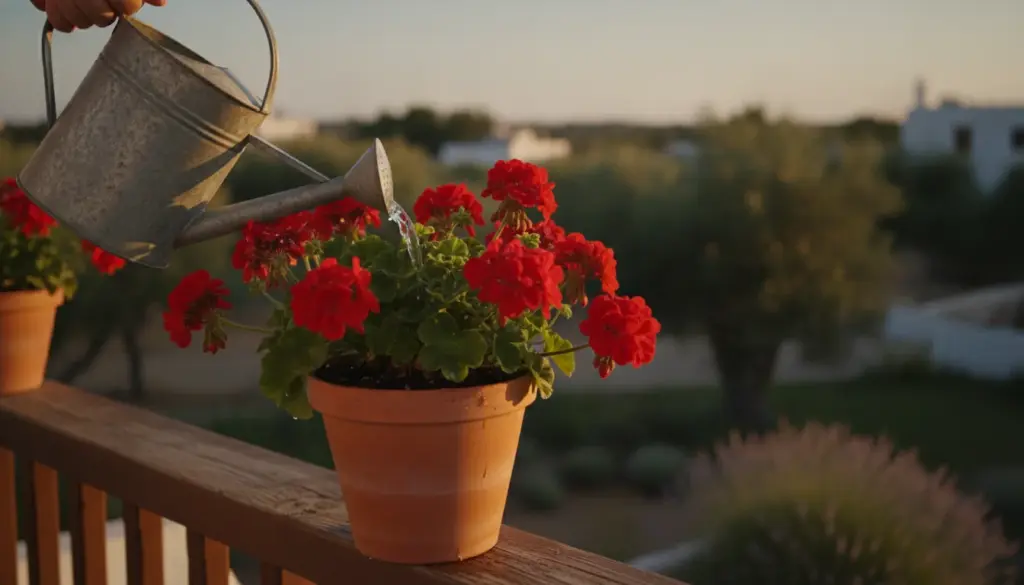
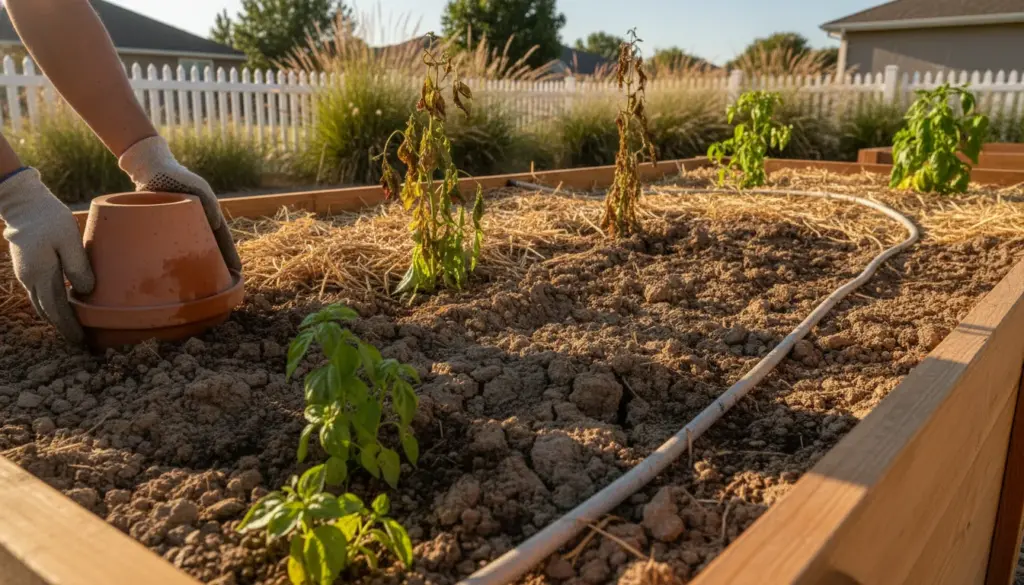
Keep context in mind when planning your oasis. Even the toughest drought-resistant species will dry out much faster in terra cotta pots or tiny elevated planters compared to being nestled in the open ground. Newly installed shrubs also require consistent hydration throughout their first growing season to establish deep root systems. Once settled, your watering can will rarely see the light of day.
If young children play outside or you frequently dine al fresco, always verify the edibility of any berries or seeds. While the fruits of the cornelian cherry and snowy mespilus are wonderful for kitchen experiments, many ornamental shrubs carry toxic elements. When in doubt, scrutinize the nursery labels or consult a horticultural expert before making your own preserves.
By making a few strategic, well-informed choices, you cultivate a magnificent space that demands little physical labor while offering a vital sanctuary for birds and beneficial insects. For the modern enthusiast, admiring the view rather than working the soil is truly the ultimate luxury.