An Ancient Herb Meets Modern Anxiety
While some homeowners invest in heavy-duty armored doors and high-tech cameras, others swear by a simple sprig of rosemary on their porch. Is this an ancient superstition or a clever psychological reflex? Across France, anxiety over burglaries and illegal squatters is surging, particularly during holiday seasons.
Suddenly, alongside heavy padlocks and smart alarms, a bizarre tip is dominating social media platforms: using rosemary as an invisible shield against unwanted guests. It sounds both deeply poetic and incredibly naive. But where does this fascinating concept originate, and does it actually offer any real-world protection?
The Crushing Fear of Home Invasions
In French vacation hotspots and bustling cities, property owners increasingly share the same nightmare. They dread returning from a weekend getaway only to find their beloved home stripped bare or occupied by strangers. Legally speaking, a classic break-in and an illegal occupation are two completely different crimes. However, for the victim, the emotional devastation feels exactly the same, as their safe haven has been violated.
Official statistics reveal that actual squatting incidents remain relatively rare. According to the French Ministry of Justice, just over a thousand civil eviction rulings were issued against squatters in 2019. This represents a tiny fraction of total housing, yet the devastation for those affected is immense.
Empty properties, second homes, and houses tied up in inheritance disputes face the highest risk. These buildings can sit unmonitored for months on end. Once an intruder breaks in and sets up camp, a grueling legal battle ensues. Despite stricter legislation introduced in 2023, eviction procedures can drag on for weeks or even months. During this time, owners suffer property damage, massive legal fees, and a profound sense of injustice.
While the statistical probability of a squat is small, the financial and emotional toll feels absolutely crushing to homeowners.
From Folklore to Viral TikTok Trend
You probably recognize rosemary as a delicious herb paired with roasted potatoes or lamb chops. Yet, across the Mediterranean, this fragrant plant has a rich second life as a potent symbol of protection. Ancient traditions involved burning rosemary to purify living spaces or hanging fresh bunches by the entryway to ward off misfortune, evil spirits, and malicious intent.
Today, this age-old folklore is experiencing a massive modern revival. Self-proclaimed spiritual coaches and modern witches on TikTok and Instagram are showcasing how they place rosemary sprigs on doorsteps, tie them to window frames, or hang tiny sachets above entryways. They claim the herb’s pungent scent creates a mental boundary, making anyone with sinister intentions feel subconsciously uneasy.
The Science of Psychological Comfort
No scientific study proves that rosemary stops criminals, but it certainly protects the peace of mind of those who believe in it. From a logical standpoint, the reality is clear. Rosemary will not scare off a determined burglar the way a blaring siren does. Anyone bold enough to kick down a door won’t retreat because of a culinary herb.
However, the psychological impact on the homeowner is undeniably real. Establishing a small daily ritual—like hanging a dried bundle while consciously thinking about home safety—provides a soothing sense of control in a frighteningly unpredictable world.
Security experts view these quirky habits as a vital mental anchor. When people are terrified of break-ins, they crave tangible actions to manage their anxiety. Punching a code into a keypad is a rational, cold action. Choosing a fragrant herb that signifies “safety” to you taps deeply into emotion and comforting traditions.
In reality, most individuals successfully blend these two approaches. They rely on modern technology for an actual physical barrier, while turning to symbolic rituals for inner calm. This dual approach explains why the rosemary trend is going viral online. It is incredibly cheap, effortless, and makes you feel like you are taking an extra step beyond standard security measures.
What Actually Keeps Intruders Out
If you truly want to secure your property, you must rely on concrete, proven strategies. Insurance companies and law enforcement agencies constantly repeat a standard checklist. It might not be glamorous, but it is highly effective over the long run.
- Make it look occupied: Ask a trusted neighbor to empty the mailbox, occasionally open curtains, or park their car in your driveway.
- Set lighting timers: Basic smart plugs or timers attached to lamps and shutters create the convincing illusion that someone is home.
- Upgrade your hardware: Heavy-duty doors, multi-point locking systems, and shatter-resistant glass make forced entry incredibly difficult.
- Install a security system: Even a basic setup featuring motion sensors and a loud alarm siren works wonders as a visible deterrent.
- Secure vacant properties heavily: Temporary fencing, metal window plates, and extra padlocks are essential for long-term empty buildings.
- Notify the authorities: Many local police departments offer holiday monitoring programs, providing extra patrols for registered addresses while you are away.
Having a robust home insurance policy with legal assistance is also critical. It helps cover the devastating costs if things go wrong and assists with the legal steps needed to remove squatters quickly. Knowing you have this backup drastically lowers the panic associated with a potential break-in.
How to Use Rosemary Without Illusions
There is absolutely no shame in placing a beautiful sprig of rosemary by your window. The plant smells fantastic, is highly resilient, and offers genuine comfort to many residents. The only danger arises if this ritual creates a false sense of security. Leaving your back door wide open simply because you have a protective herb on the welcome mat is a recipe for disaster.
If you are curious about trying this viral trick, there are several charming ways to incorporate the plant into your home without losing touch with reality.
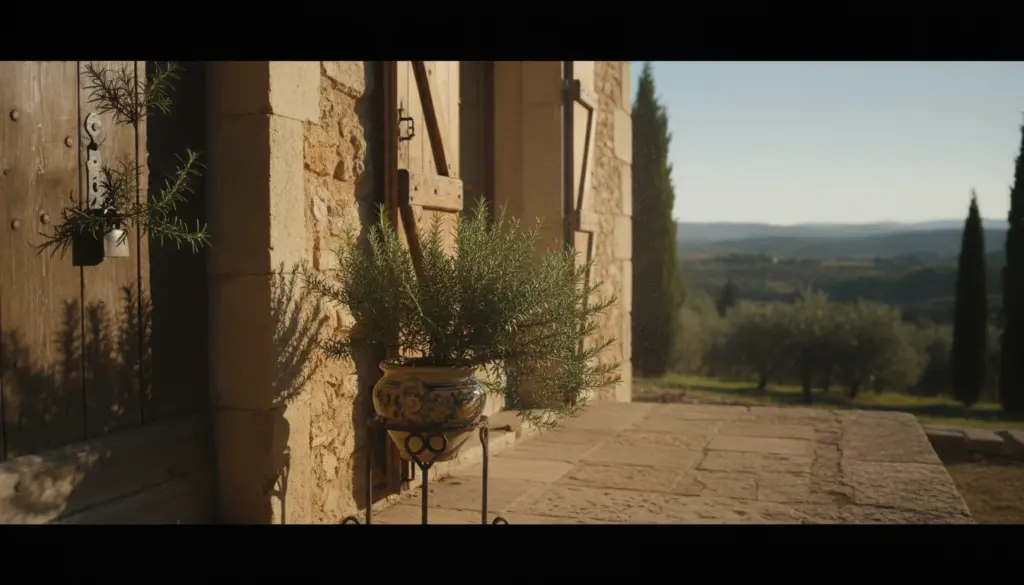
- Embrace potted plants: Place a lush, potted rosemary plant on your balcony or directly beside the front door. This establishes a grounding routine every time you leave or return.
- Create hanging bundles: Dry small bundles and hang them discreetly inside window frames or on doors. Many treat this as a comforting emblem, much like a traditional lucky horseshoe.
- Craft scent sachets: Make a scented sachet for your hallway. While the aroma won’t paralyze a burglar, it offers a warm, inviting welcome to those who actually belong there.
You can easily pair these moments with a practical safety check. While touching the herb, ask yourself: are all windows securely locked, is the alarm armed, and are the car keys out of sight? The mystical gesture instantly becomes a brilliant reminder for actual security.
The Danger of Blind Trust in Magic Tricks
The world of crime prevention is flooded with bizarre DIY myths. You will hear rumors about chalk symbols drawn by thieves on sidewalks, or water bottles placed on windowsills to supposedly spook intruders. The rosemary trend fits perfectly into this quirky category. Usually, these urban legends are entirely harmless, provided they don’t replace rational precautions.
The real danger is complacency. If a resident feels completely shielded by a magical symbol, they might ignore glaring vulnerabilities. Criminals immediately spot lazy security, like a faulty basement window, missing exterior lights, or a spare key carelessly shoved under a doormat.
Vulnerable demographics, especially the elderly or victims of previous break-ins, are highly susceptible to these comforting, easy promises. They desperately seek solace, yet what they truly need is clear, actionable information. Police campaigns are increasingly addressing this by offering tailored, practical advice for different property types.
Real-Life Security Scenarios
Imagine a family with a gorgeous second home that they only visit a few times a year. They read about the rosemary trick online and enthusiastically plant a massive bush near the entrance. Unfortunately, they leave a flimsy old lock on the door and never notify neighbors of their absence. During a quiet winter month, a thief easily pries open the back entrance. The rosemary bush stands proudly outside, but the owners are left feeling incredibly foolish.
Now, picture a completely different scenario. A woman living alone experiences intense nighttime anxiety following a terrifying break-in. She immediately upgrades her locks, installs motion-sensor floodlights, and activates a modern alarm. At the same time, a friend suggests keeping a small bundle of rosemary in the hallway.
Every single evening, as she arms the keypad, she brushes her fingers against the fragrant leaves. This powerful combination of robust technology and grounding ritual finally allows her to sleep peacefully. In these situations, the herb doesn’t act as the main defense. Instead, it sits comfortably alongside solid hardware and proper insurance, serving as a beautiful symbol of mindfulness rather than a mythical shield against crime.
Essential Security Terms Explained
The ongoing debate surrounding burglaries and squatters is frequently bogged down by confusing technical jargon. Understanding a few core concepts makes the topic much easier to navigate.
- Illegal occupation: This occurs when individuals take over a property without permission and physically move in, often bringing their own furniture and belongings.
- Burglary: A forced entry focused purely on stealing valuables, without any intention of staying long-term. While the damage is usually material, the psychological trauma is severe.
- Preventive security: Any proactive measure designed to discourage criminals before they strike, ranging from bright floodlights to neighborhood watch groups.
- Legal aid: A vital component of property insurance that provides financial and legal support for navigating complex processes, such as formally evicting a squatter.
When you grasp these terms, making smart choices becomes much simpler. You can accurately assess true risks, choose the right physical upgrades for your building, and decide which comforting rituals you want to keep purely for your own peace of mind. In that grand scheme, a simple sprig of rosemary plays a surprisingly lovely, yet perfectly modest, role.