A Streaming Drama Rooted in Literary Excellence
While a Turkish streaming series adapted from a Nobel Prize-winning book might seem tailored for niche audiences, this fresh release is rapidly climbing the viewership charts. Blending a scorching romance, a stunning vintage 1970s aesthetic, and a tangible real-world museum connection, the production stands out as a highly unique television event.
The narrative draws its essence from The Museum of Innocence, a masterpiece penned by acclaimed Turkish author Orhan Pamuk. Following his 2006 Nobel Prize in Literature victory, the book hit the shelves in 2008 and quickly transformed into a global sensation, selling millions of copies across dozens of translated languages.
Rather than merely using the novel as a loose framework, this adaptation remains fiercely loyal to its source material. As a result, the viewing experience feels distinct from typical binge-worthy fare. Instead of relying on rapid-fire cliffhangers, the creators focus heavily on intricate details, immersive atmospheres, and profound emotional depth. Audiences are pulled into a meticulously crafted reality where obsession, affection, and nostalgia seamlessly intertwine.
The true brilliance of this production lies in merging an intoxicating romance with the profound depth of a celebrated literary triumph.
An Illicit Romance Amidst Urban Contrasts
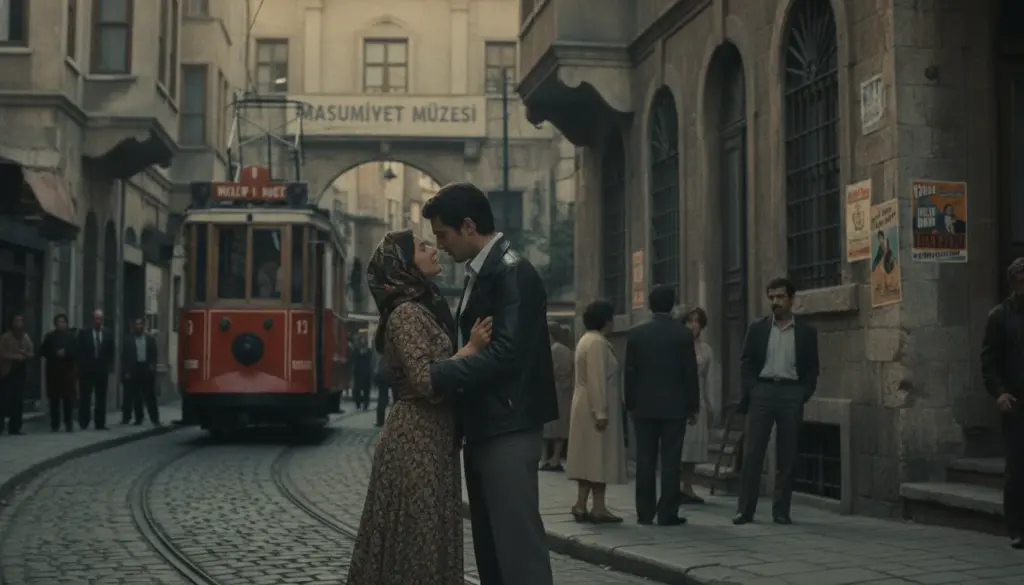
Set against the backdrop of 1970s Istanbul, the plot unfolds during an era plagued by fierce political and social unrest. Far from being a mere passive setting, the vibrant city actively dictates the fates of those living within its borders. At the center of the narrative is Kemal, a wealthy young heir belonging to a prominent industrialist family. His life seems perfectly arranged as he prepares to marry Sibel, a diplomat’s daughter who represents the ideal societal match.
Everything shatters when he crosses paths with Füsun, a strikingly beautiful yet unassuming shop assistant from a lower-class background. Their fleeting but passionately intense affair irrevocably derails Kemal’s carefully planned existence. From that pivotal moment forward, he finds himself trapped between a secure, prestigious future with his fiancée and a desperate, hopeless yearning for his new lover.
- Kemal: An affluent heir utterly torn between societal duty and raw desire.
- Füsun: A modest young woman who unwittingly becomes the absolute center of a profound obsession.
- Sibel: The educated, modern fiancée representing stability and high social standing.
The narrative masterfully highlights how societal shame, family reputation, and harsh class divides completely overpowered personal desires during that era. Consequently, the romantic entanglement between the main characters feels inherently doomed right from the start, adding a persistent layer of underlying tension to every single scene.
The Art of Obsession and Hoarding Memories
Once the physical relationship inevitably fractures, our protagonist simply cannot let go. To cope, he begins collecting random, everyday trinkets that remind him of his lost lover. Whether it is discarded cigarette butts, delicate earrings, coffee cups, or street-found knickknacks, these items are meticulously hoarded. What initially begins as an innocent method of preserving precious memories rapidly spirals into an all-consuming compulsion.
This fascinating hoarding behavior essentially functions as the narrative spine of the show. Each individual item symbolizes a specific interaction, a stolen glance, or a tragic missed opportunity. Through lingering close-ups, the camera grants these mundane objects significant screen time, effectively turning the audience into co-archivists. Gradually, a grandiose vision takes root in Kemal’s mind: transforming this massive collection into a dedicated shrine honoring both his ultimate love and a vanishing version of Istanbul.
By elevating ordinary household goods to the status of sacred artifacts, the story brilliantly illustrates the devastating intensity of personal nostalgia.
Blurring the Lines: A Real-World Exhibition
The most fascinating aspect of this entire project actually exists completely outside the streaming platform. Author Orhan Pamuk ingeniously brought his fictional universe into physical reality. Back in 2012, a genuine Museum of Innocence opened its doors in Istanbul’s historic Beyoğlu district, entirely structured around the novel’s events.
Tourists and fans can literally walk past glass display cases filled with the exact items described in the text and depicted on screen:
- Hundreds of crushed cigarette butts, supposedly saved by the grieving protagonist.
- Authentic vintage cutlery, glasses, and teacups salvaged from local homes and cafes.
- A miniature porcelain dog alongside various other sentimental trinkets.
- Clothing items and delicate jewelry closely associated with Füsun’s character.
This extraordinary physical space completely shatters the boundary separating imagination from reality. Within the original text, Kemal narrates his tragic tale to a writer named Orhan Pamuk; inside the actual building, visitors inspect the physical evidence of that fabricated life. Now, the television adaptation adds yet another incredible meta-layer, allowing audiences to watch those precise historical artifacts integrated into the on-screen drama.
Why This Nostalgic Journey is Captivating Audiences
While digital platforms constantly flood our screens with endless content, this specific project commands attention for several distinct reasons. Those who typically enjoy lavish period pieces will discover a uniquely melancholic alternative here. Audiences trade sparkling ballgowns for thick cigarette smoke, bustling street noise, and looming political instability.
Rebuilding a Bygone Era
The production team successfully resurrected the 1970s Turkish metropolis through rigorous historical research blended with striking cinematic artistry. The vintage cars, flared collars, and architectural choices perfectly capture the era’s spirit, showcasing traditional family gatherings juxtaposed against vibrant, modern nightclubs.
Furthermore, the visual storytelling exposes a culture actively colliding with modernization. While younger citizens crave personal freedom, they constantly smash into rigid religious expectations and strict familial obligations. This dynamic serves as an eye-opening cultural lesson for global viewers, highlighting a city caught between Asian and European identities amidst rising political friction.
Exploring Profound Societal Themes
Beyond the central romantic tragedy, the script tackles numerous weighty subjects:
- Wealth and Status: Financial background strictly dictates social circles and romantic viability.
- Grief and Remembrance: Mundane possessions acquire magical properties when they become the only link to a lost past.
- Internal Guilt: The protagonist endlessly struggles to navigate his profound obsession while maintaining loyalty to his future wife.
- Urban Evolution: Cherished neighborhoods, local cinemas, and beloved cafes fade away, mirroring the fragile nature of human connection.
For viewers seeking intellectual stimulation beyond a standard romance, the episodes provide a fascinating look at how personal yearning clashes with rigid societal structures. Ultimately, the story proves that choosing who we love is rarely a completely autonomous decision.
Essential Context for Prospective Viewers
If you are still debating whether to press play, understanding a bit of cultural background will significantly enhance your viewing experience. While winning a Nobel Prize in Literature signifies global literary dominance and innovative storytelling, Pamuk specifically earned his acclaim by flawlessly weaving intimate human dramas into the rich political tapestry of Istanbul.
Within Turkey, this specific narrative enjoys immense cult popularity. Countless international travelers now organize their entire vacations around visiting the physical exhibition. Thanks to this stunning visual adaptation, even more culture enthusiasts are adding the attraction to their travel itineraries, eager to witness the actual items they first encountered from their living rooms.
Anyone who appreciates deliberate, incredibly atmospheric storytelling will absolutely thrive here. Rather than utilizing explosive action sequences, the narrative relies entirely on heavy silences, lingering stares, and subtle physical gestures. Adjusting an earring, lifting a teacup, or extinguishing a cigarette—these tiny movements carry enormous narrative weight. For dedicated television fans looking to fully submerge themselves in a beautifully flawed historical world, this remains one of the most compelling options currently streaming.