
Discovering the hidden value of early spring blooms
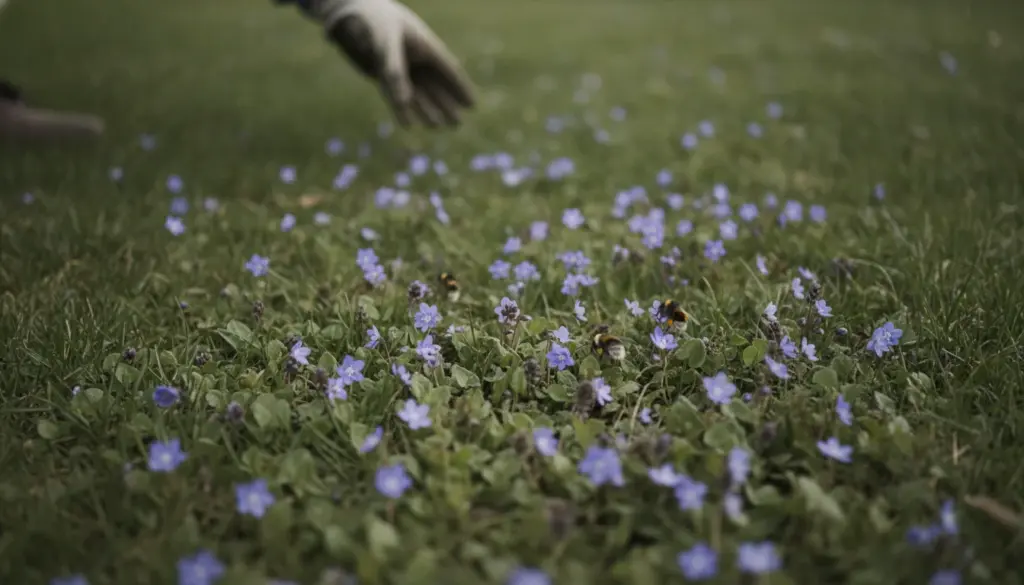
As early spring arrives, tiny splashes of blue and violet begin dotting our lawns. While many property owners immediately reach for their weeding tools, these resilient little plants are actually hidden backyard treasures. They might blend in seamlessly along a garden path, but they serve as crucial lifelines for awakening pollinators. Once you learn to accurately identify these delicate spring arrivals, you will never view your turf the exact same way again. Instead of seeing a landscaping nuisance, you will discover a fresh source of robust flavor and natural wellness growing right outside your door.
Spring flowers that deserve a permanent place
As seasonal temperatures gently climb, a vibrant assortment of vivid purple and blue blossoms pushes through the thawing earth. Unfortunately, the traditional yard cleanup routine often wipes out these early bloomers with a harsh rake or mower blade. This common landscaping habit removes vital early-season nourishment for foraging insects, while simultaneously destroying an unexpected culinary pantry. What frequently gets dismissed as messy yard debris is actually a collection of highly valuable wild flora.
Three specific botanical varieties typically stand out:
- The deeply nostalgic and fragrant sweet violet.
- The aromatic, creeping ground ivy.
- The delicately beautiful Persian speedwell.
Together, these resilient ground covers act as a living barometer, revealing a beautifully vital and biologically healthy soil ecosystem beneath your feet.
Sweet violet: A fragrant treat for awakening insects
The sweet violet emerges as one of the very first botanical displays of the season. You can generally spot this shy perennial hiding along border edges, tucked beneath sheltering shrubs, or nestled against wooden fences. Its signature heart-shaped foliage and deeply pigmented purple petals emit a wonderfully sweet scent that instantly signals the end of winter.
Why it pays to leave your violets untouched
Historically, herbalists transformed these fragrant blossoms into soothing syrups, delicate teas, and traditional throat remedies. The plant’s profile boasts a rich botanical blend of essential oils, mucilage, and flavonoids. However, modern foraging best practices suggest adopting a mostly hands-off approach today.
- These flowers appear exactly when exhausted insects desperately need a reliable nectar source.
- Unlike aggressive invasive species, sweet violets tend to grow in modest, manageable clusters.
- For many gardeners, these delicate blooms offer an emotional, nostalgic connection to traditional landscapes.
If you practice eco-conscious gardening, gently lean down to enjoy their intoxicating aroma, but resist the urge to harvest the entire patch. Leaving them intact ensures that hungry bumblebees and solitary bees have ample energy reserves during those sparse early spring weeks.
Ground ivy: From stubborn spreader to culinary powerhouse
Ground ivy presents a completely different growing habit. Often recognized by botanical enthusiasts as creeping charlie, this low-growing plant eagerly colonizes extensive stretches of turf and garden beds. Charming little blue-purple tubular flowers peek out from between scalloped, rounded leaves, weaving a miniature botanical garland directly across the soil surface.
Turning a yard nuisance into a flavorful ingredient
Ground ivy contains a complex phytochemical mixture of tannins, saponins, essential oils, and bitter compounds. This unique chemical makeup delivers an intensely robust, herbaceous flavor profile. While the pungent taste might require a slight adjustment period, utilizing it in moderation adds an incredible earthy depth to savory dishes.
Clever ways to incorporate this creeping herb into your kitchen routine:
- Finely minced and folded into homemade herb butter or whipped cream cheese.
- Tossed sparingly into a vibrant spring salad alongside mild greens like mache or arugula.
- Blended into a savory morning omelet with other foraged greens like chickweed or young nettles.
When experimenting with ground ivy, always remember one golden rule: use it sparingly. Because the flavor profile is exceptionally potent, just a few fresh leaves will drastically elevate a dish. Fortunately, this creeping herb usually grows in massive abundance. If you have a dense carpet spreading across your lawn, you can harvest it absolutely guilt-free. Regularly snipping the trailing vines actually helps keep its aggressive growth perfectly contained.
Persian speedwell: A sky-blue groundcover with a delicate touch
For many observant homeowners, Persian speedwell is the very first pop of color to appear in the yard. This resilient species forms dense, low-profile mats characterized by bright green foliage and microscopic, pale blue blossoms striped with darker azure veins. Unfortunately, rigidly manicuring your turf usually obliterates this delicate species instantly.
An elegant edible accent for spring dishes
While perhaps less universally recognized than the common dandelion or daisy, Persian speedwell proudly belongs on the roster of edible spring foliage. The flavor notes are remarkably mild and subtly fresh, lacking the intense pungency found in ground ivy.
You can easily feature this delicate blue bloomer in several creative ways:
- As a foundational leafy element in a wild spring salad featuring young shoots and blossoms.
- Scattered as an elegant, edible garnish over artisan bread, creamy soups, or plated desserts.
- Utilized as a soothing, mild counterbalance to spicy, peppery greens like mustard leaves.
Because Persian speedwell habitually erupts in massive, sprawling colonies across grassy expanses, gathering it poses absolutely no threat to the local population. Just remember to practice mindful harvesting by leaving a generous portion behind to support the local insect ecosystem.
What these colorful blooms reveal about your soil
Spotting these purple and blue wildflowers in early spring is overwhelmingly a positive indicator. Their presence points directly to a biologically active soil structure teeming with beneficial fungi, earthworms, and vital microorganisms. Conversely, heavily treated, aggressively fertilized decorative turfs rarely support this kind of spontaneous botanical diversity. Learning to read your native yard plants essentially transforms your lawn into a living diagnostic report on local biodiversity.
Shifting from a weeding mindset to a harvesting mindset
Countless property owners have been conditioned to ruthlessly eradicate absolutely anything they did not intentionally plant. While this highly manicured aesthetic satisfies a desire for strict order, it ultimately demands excessive time, money, and ecological sacrifice.
Embracing a slightly wilder approach consistently yields a more rewarding outdoor experience:
- Allow at least a small designated section of your turf to grow slightly longer.
- Establish a dedicated wilderness corner where native species can flourish uninterrupted.
- Harvest your yard selectively, carefully protecting rare specimens while utilizing the abundantly spreading ones.
By simply adjusting your perspective, a miniature edible landscape naturally takes shape. When humans, foraging insects, and subterranean soil webs all benefit simultaneously, those spontaneous blue and purple flecks transform from annoying blemishes into visual proof of a thriving, functional ecosystem.
Building independence with wild greens and micro-crops
Once you experience the distinct thrill of backyard foraging, your perspective on daily meal preparation shifts dramatically. Items you habitually purchase from the supermarket can easily be sourced right from your own property, a sunny balcony, or a bright kitchen windowsill. You can seamlessly pair your freshly gathered wild herbs with easily cultivated indoor microgreens. By simply placing seeds in a shallow tray with minimal water and a thin protective layer, you can sprout nutrient-dense miniature radish or arugula shoots in merely a week.
Practical steps to enhance your localized food resilience include:
- Keeping a dedicated microgreen tray on your kitchen counter for immediate, nutrient-packed harvests.
- Establishing a modest herb zone featuring perennial staples like chives, fresh mint, and parsley alongside your wild volunteers.
- Arranging a few container pots with cut-and-come-again lettuce varieties on a sunny patio space.
When you thoughtfully combine these straightforward cultivation methods with wild harvests of creeping charlie and Persian speedwell, you effectively insulate yourself against fluctuating grocery costs and limited seasonal selections. You certainly do not require a sprawling agricultural estate to succeed; a simple arrangement of containers or a modest suburban backyard provides more than enough growing space.
If you are just beginning your foraging journey, always consult a reliable botanical field guide to confidently prevent any misidentification. Never consume a wild plant unless you are absolutely certain of its species. Start by introducing extremely small quantities to your palate, and consistently leave a bountiful portion of every patch untouched. Adopting this sustainable practice guarantees that those vivid blue and violet lawn speckles remain visually stunning, while simultaneously kickstarting an invaluable edible landscape year after year.