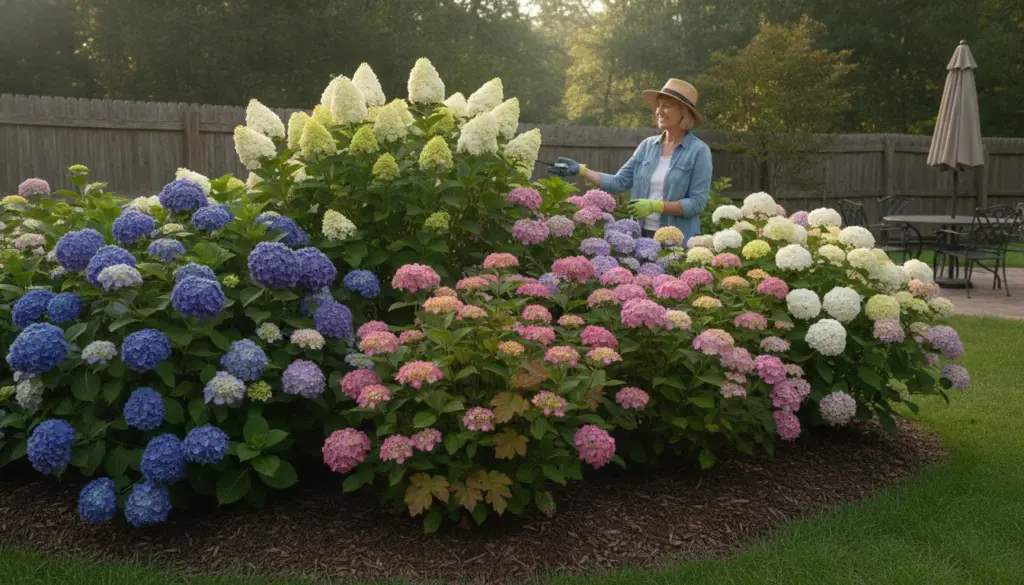
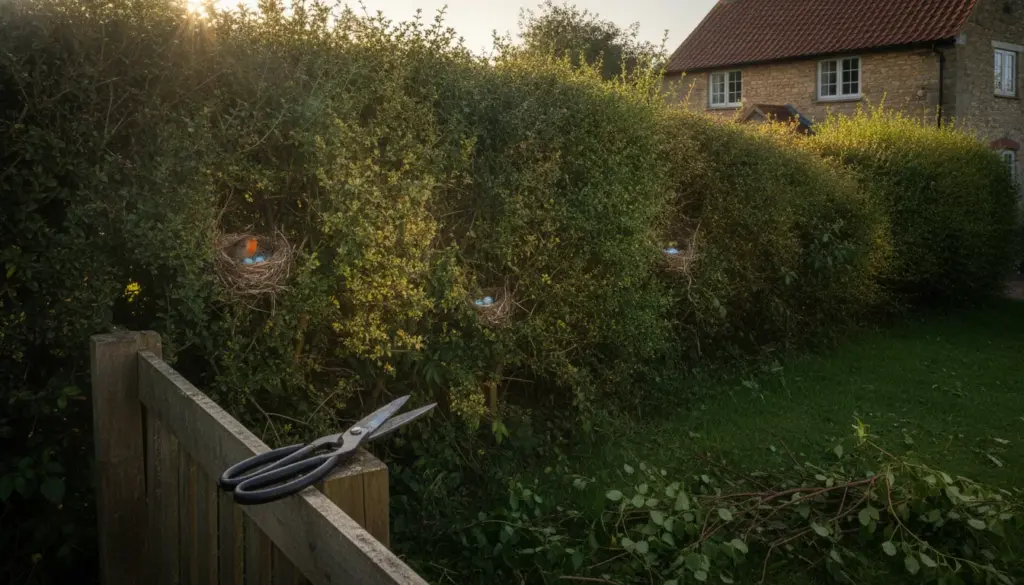
If you were planning a quick garden cleanup, time has essentially run out. Around mid-March, the breeding season kicks off across our shrubbery. Many well-meaning garden enthusiasts grab their shears right now, completely unaware of the dangers this poses to nesting birds. Over in France, authorities are clamping down on this practice with strict regulations for agricultural workers and urgent guidelines for homeowners. This approach offers valuable lessons for all garden owners, simply because wildlife conservation does not stop at national borders.
Why spring pruning becomes a major hazard
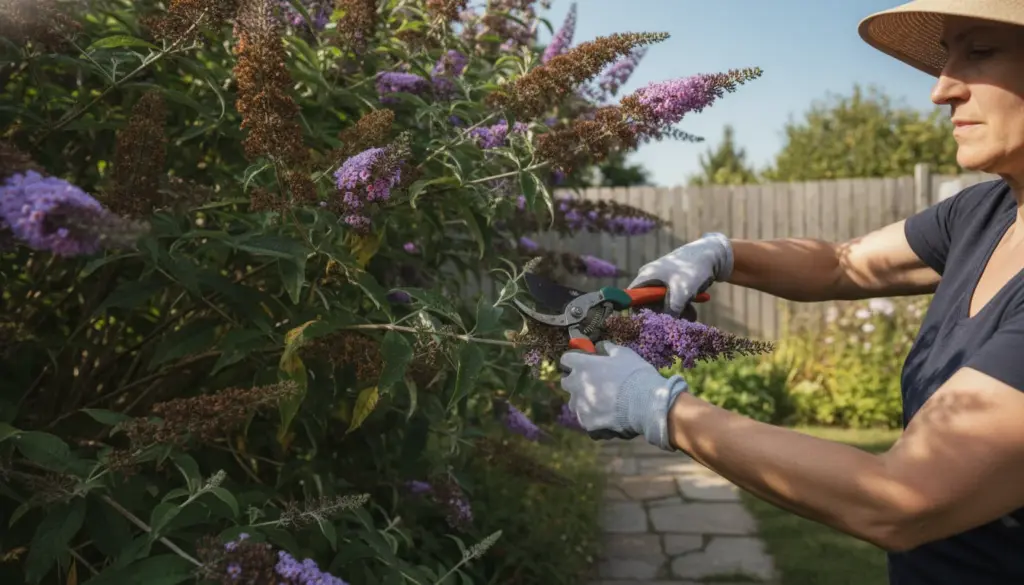
Taking a trimmer to your shrubs might seem like routine yard maintenance, but it turns into a direct hazard for local bird populations during the warmer months. Between March and July, countless feathered species rely on dense foliage to construct nests, incubate their eggs, and safely raise their offspring.
Aggressively cutting back branches during this period can instantly wipe out carefully built nests, driving terrified parents and defenseless chicks out of their homes.
French lawmakers have formally recognized this ecological vulnerability. Their legal framework makes a sharp distinction between agricultural professionals and everyday citizens, implementing exact dates when gardening tools must stay locked away.
Severe restrictions for agricultural land
For those working in French agriculture, the regulations are incredibly stringent. A strict legal ban on hedge trimming goes into effect exactly when local bird populations begin breeding en masse.
A fixed pause: April 1 through July 31
From the first of April to the end of July, farmers are completely prohibited from cutting back hedgerows and wooded banks along their fields. This mandate is closely tied to European agricultural subsidies (known as the PAC) and aims to revitalize biodiversity across farming landscapes.
- Timeframe: April 1 to July 31
- Purpose: Safeguarding nesting birds and newborn wildlife
- Locations: Shrubs, hedgerows, and wooded banks on agricultural property
- Ultimate goal: Preserving ecological diversity and vital landscape features
Ignoring these environmental protections carries staggering consequences. French judges have the authority to hand down prison sentences of up to three years, alongside massive fines reaching 150,000 euros. Consequently, ecological stewardship transforms from a purely moral obligation into a serious financial imperative.
The crucial role of rural hedgerows
Green borders lining pastures and crop fields act as essential travel corridors for local wildlife. Winged creatures utilize them as safe flight paths, strategic observation points, and secure nesting grounds. Meanwhile, tiny mammals seek refuge within the lower branches to escape soaring temperatures and hungry predators. Without these continuous ribbons of greenery, the countryside would quickly devolve into a barren expanse devoid of biological activity.
Even a single meter of dense shrubbery can comfortably support dozens of insect varieties, songbirds, and small mammals.
By enforcing a strict pruning pause right in the middle of the breeding cycle, wildlife is given a fighting chance to mature without the threat of a tractor-mounted flail mower suddenly obliterating their habitat.
Guidelines for private property owners
The legal landscape shifts when it comes to private residential gardens. France does not currently enforce a nationwide law strictly banning homeowners from clipping their bushes in March or April. However, this absence of federal legislation is certainly not a free pass to chop away indiscriminately.
The strong recommendation: Pause all trimming by mid-March
The national bird protection league (LPO) strongly urges citizens to put away their garden shears from mid-March onward. This period marks the absolute busiest time for backyard wildlife, as pairs frantically gather building materials, claim territories, and lay their initial clutches of eggs.
Furthermore, regional authorities maintain the power to enforce supplementary restrictions. A local mayor or prefect can easily decree a legally binding pruning halt within their specific jurisdiction during peak breeding times. Therefore, property owners must stay vigilant about their municipal environmental ordinances.
The golden rule for backyard maintenance: Schedule your heavy cutting for the late winter months or wait until autumn arrives, entirely avoiding the central breeding season.
The optimal timing for yard maintenance
If you want to keep your greenery neat without harming nature, there are essentially two ideal windows for trimming outside of the nesting phase:
- Late winter: Target February, right after the severe frosts have passed. The vegetation is just waking up from its dormant state and will heal incredibly fast.
- Late summer: Wait until August or later, once the blooming phase concludes and the youngest chicks have successfully left the nest.
Flowering varieties require a slightly different approach. Always trim these specific plants immediately after they drop their blossoms. This gives the vegetation ample time to develop fresh buds for the following season. Cutting them too early in the spring often means you accidentally chop off the developing flowers before they can even open.
The hidden world inside your bushes
While a hedge might look perfectly still from the sidewalk, a vibrant micro-society thrives deep within the leaves between March and July. Robins, blackbirds, finches, and various other species work tirelessly to weave complex homes. They carefully transport moss, dried grass, and sturdy twigs to build a secure, cup-shaped base.
What follows is an incredibly delicate developmental phase. Eggs must be kept warm, and newly hatched chicks rely entirely on their parents for survival. A single pass with an electric trimmer can cause catastrophic damage during this vulnerable window. Striking a hidden nest usually results in shattered eggs or leaves blind, featherless babies totally exposed to the elements.
A well-intentioned afternoon of yard tidying can effortlessly wipe out an entire generation of backyard birds.
Effortless ways to support local wildlife
Transforming your outdoor space into a nature-friendly haven takes surprisingly little effort. Here are several impactful adjustments you can make right away:
- Completely abandon spring pruning, restricting yourself only to carefully removing visibly dead branches.
- Install birdhouses in quiet, wind-protected corners of your property.
- Provide supplemental food sources during the freezing winter months, but phase this out as spring arrives.
- Allow a designated corner of your property to remain slightly untamed, letting fallen leaves and twigs pile up to harbor essential insects.
- Plant dense, locally native shrubbery that offers superior natural camouflage.
These minor behavioral shifts require zero financial investment but significantly boost survival rates for fledgling birds preparing for their first flights.
Selecting the most beneficial plantings
Not all landscaping choices offer equal value to the local ecosystem. Certain plants provide nothing more than a green visual barrier, while superior choices deliver robust cover, nutritional berries, and sturdy branching for nest construction.
If you are planning to establish a new property line, look far beyond standard conifers or basic boxwood. Cultivating a mixed hedgerow featuring varied native species guarantees a year-round supply of food and shelter. While it might look slightly less manicured than a uniform evergreen wall, it will pulse with fascinating seasonal life.
Applying these ecological principles at home
While the strict legal frameworks mentioned are specific to French agricultural zones, the underlying ecological philosophy perfectly mirrors the guidelines pushed by Dutch nature organizations and international experts. Conservation groups everywhere have spent decades pleading with the public to pause their landscaping efforts during breeding cycles and to meticulously inspect foliage before making a single cut.
If you manage substantial greenery or wooded banks bordering rural land, adopting this approach is highly recommended. Scheduling your major maintenance strictly outside the April-to-July window ensures a stable, stress-free environment where vulnerable populations can successfully multiply over the long term.
This exact philosophy scales down flawlessly for compact urban plots. A single, tall mixed hedge in a densely populated suburban neighborhood can easily host multiple breeding pairs year after year. Leaving that specific greenery untouched through the spring months delivers an immediate boost to your local ecosystem, requiring absolutely no extra work.
Finally, organizing a cooperative approach with your neighbors yields magnificent results. When adjacent properties collectively embrace nature-friendly maintenance, rather than buzzing everything down to a uniform block, local wildlife naturally gravitates toward these safe zones. A small community effort quickly transforms a sterile street into a vibrant, song-filled environment that feels genuinely alive.