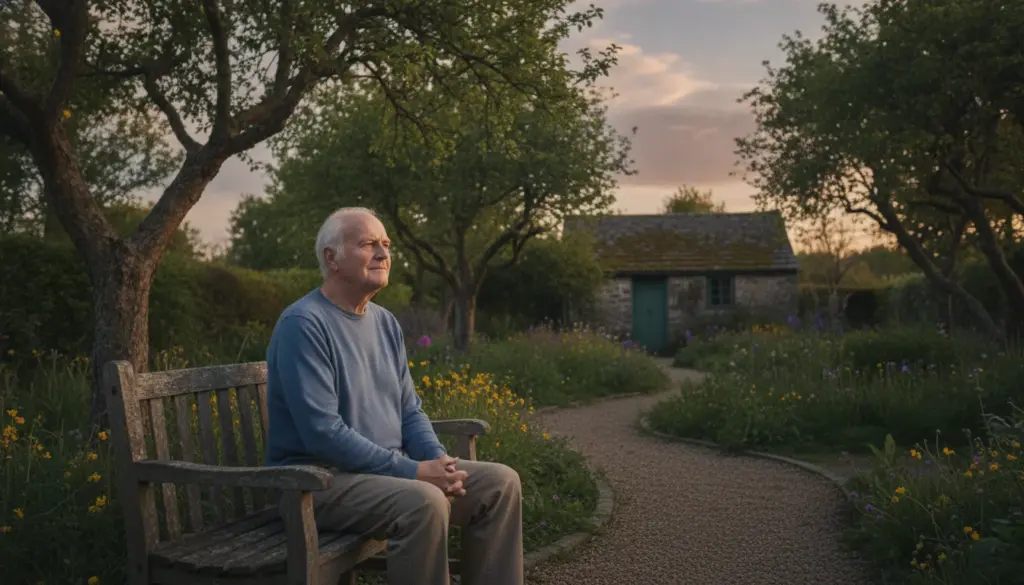

Many notice the mental fog clearing around March or April without really understanding why. The air remains crisp and schedules stay packed, yet everything suddenly feels a bit more manageable. Behavioral experts note this isn’t just a fluke. It actually comes down to a powerful biological cocktail of increased daylight, physical activity, and human connection that kicks into high gear during the spring months.
How Shifting Seasons Secretly Steer Your Mood
Our emotional well-being naturally ebbs and flows with the calendar. During the darkest months of the year, exhaustion tends to accumulate, everyday worries compound, and staying on the couch feels far more appealing than stepping outside. Winter often brings a distinct drop in overall energy, accompanied by a heavy mental state and increased overthinking.
Shortened days drastically amplify this effect. A lack of natural daylight deprives your physical system of the necessary cues to stay sharp and energized. Commuting in the dark on both ends of the workday means you might go through entire weeks barely seeing actual sunshine.
However, the arrival of early spring slowly flips this script. A slight bump in temperature, brighter mornings, and bustling streets send a very clear message to your nervous system: it is time to wake up.
Springtime certainly isn’t a magical cure-all for deep psychological struggles, but it undeniably lifts a few heavy weights off your mental scale.
The Science of Sunlight: What Happens Inside Your Head
Exposure to natural daylight acts as a master switch for several internal bodily systems. Your eyes catch the brightness and immediately notify your brain that daytime has arrived, signaling your body to activate. This biological trigger jumpstarts the production of crucial neurochemicals that directly regulate how you feel.
- Serotonin: Crucial for maintaining a steady mood, keeping motivation high, and regulating appetite.
- Melatonin: The hormone responsible for your sleep-wake cycle, which actively makes you drowsy as darkness falls.
- Endorphins: Feel-good chemicals released during physical activity that provide a deep sense of relaxation and internal reward.
When winter drags on, this delicate chemical balance easily falls out of sync. Your system produces an excess of sleep-inducing signals while suppressing the neurotransmitters responsible for joy and alertness. Once the spring sun finally cranks up the brightness, this ratio reverses, making ample room for renewed vitality and a zest for life.
Why the Urge to Move Spikes in Spring
It is no surprise that countless people abandon their January fitness resolutions, only to successfully pick up new active habits around April. The mental hurdle of simply stepping out the front door vanishes the moment you no longer need three layers of thermal clothing. Taking a quick bike ride or a brisk walk suddenly shifts from feeling like a tedious chore to feeling like a refreshing mini-break.
Endless rain and freezing winds naturally trap us indoors. Spring literally pushes the door wide open. Watching kids play outside again, spotting packed outdoor cafes, or strolling through a green park serve as gentle environmental nudges that naturally invite both movement and connection.
Both your body and mind reap double the rewards when you manage to combine physical exertion with fresh air and sunshine.
The Psychological Perks of Exercising Outdoors
Breaking a sweat under an open sky delivers unique physiological advantages that a stuffy indoor gym simply cannot replicate.
Even the mildest forms of exertion—like pulling weeds in the garden, walking the dog, or a leisurely bike pedal—create an immediate positive impact. Your heart rate gently climbs, your breathing naturally deepens, and your conscious attention seamlessly shifts away from internal worries toward the vibrant environment around you. This outward focus actively diffuses built-up physical tension and effectively stops those endless, exhausting loops of anxious thoughts.
Social Connections Naturally Blossom Again
Beyond the evident perks of sunlight and exercise, another vital element comes into play: milder weather makes humanity significantly more sociable. Neighborhood streets become gathering spots, athletic clubs move their training outdoors, and outdoor dining patios overflow with chatter. These abundant social interactions beautifully counteract the lingering shadows of winter loneliness and isolation.
If you tend to hibernate through the colder months, you will likely notice that accepting a quick text invite feels infinitely easier in the spring. The practical barriers are gone. You can grab a light jacket, and the journey to meet a friend is no longer a freezing ordeal. This dramatically increases your chances of experiencing spontaneous social encounters—exactly the type of casual interactions that provide a massive mental boost.
Sometimes, spending a single evening chatting on a balcony can rejuvenate your spirit far more than weeks of a monotonous, dark commute.
A Helpful Boost, But Not a Clinical Cure
While a sunnier sky certainly makes life feel a bit more effortless, serious mental health conditions do not just magically vanish with the changing of the clocks. Things like chronic anxiety, deep depression, or severe burnout stem from complex, multifaceted roots. The warmer season might take the edge off these symptoms, but sensitive individuals might actually experience a harsh rebound when autumn inevitably rolls around again.
Those who experience a severe, systemic mood crash during the winter might be dealing with a seasonal affective condition. In these cases, the brain reacts intensely to the deprivation of sunlight. The transition into spring provides a dramatic, visible improvement for this specific group, yet seeking professional medical guidance remains absolutely essential.
How to Maximize Your Springtime Mental Gains
Mother Nature handles a huge chunk of the heavy lifting, but adopting a few strategic habits can significantly amplify these seasonal benefits.
- Schedule daily outdoor time: Aim for at least fifteen minutes of direct daylight exposure, ideally right after waking up.
- Pair light with action: A brisk walk around the block is more than enough to get your blood flowing.
- Make outdoor social dates: Commit to walking, running, or simply grabbing a coffee outside with a friend once a week.
- Let the outside in: Throw your windows and curtains wide open during the day to flood your living space with fresh breezes and natural light.
- Keep expectations realistic: Setting small, highly achievable daily goals is the absolute best way to maintain long-term motivation.
For those stuck in a full-time office setting, try taking just one meeting on foot, exiting your commute one stop early, or simply eating lunch on a park bench. Perfection isn’t the goal here; you simply want to increase the frequency of short, luminous bursts of activity.
Navigating Seasonal Risks and Hidden Pitfalls
Shifting into a warmer season isn’t entirely without its drawbacks. Seasonal allergy sufferers often find themselves feeling completely drained and highly irritable, which directly drags down their overall mood. Others might suddenly feel overwhelmed by the sheer volume of social obligations that emerge once the busy season kicks off.
Emerging from a quiet winter hibernation can occasionally trigger intense social pressure. It might seem like the entire world is suddenly rushing off to vibrant festivals, tropical vacations, and endless patio parties, a deceptive illusion heavily amplified by social media. To combat this, intentionally choose activities that genuinely refill your cup, rather than falling into the trap of trying to attend absolutely everything.
The Remarkable Power of Small Spring Rituals
A surprising number of people find immense psychological comfort in establishing simple, seasonal traditions. Whether it is committing to a nightly post-dinner stroll, grabbing the first ice cream cone at a favorite local stand, or prepping the flowerbeds for summer, these recurring anchors provide deep mental stability. They serve as clear markers that a fresh, exciting chapter has officially begun, essentially helping your nervous system shift gears.
If you crave a bit more structure, experiment with micro-habits. For instance, you might decide to always take your very first morning phone call out on the balcony. Linking these tiny routines directly to the time of year makes them feel entirely organic rather than forced—the inviting weather practically begs you to do it anyway.
Finally, simple anticipation holds incredible power. We subconsciously link the arrival of spring with clean slates, fresh starts, and exciting new endeavors. Just the mere thought of a new beginning is often enough to spark profound hope and drive. When you layer that powerful anticipation with increased sunshine, more physical activity, and vibrant social encounters, you build an incredibly solid foundation for steadily growing your mental resilience.