
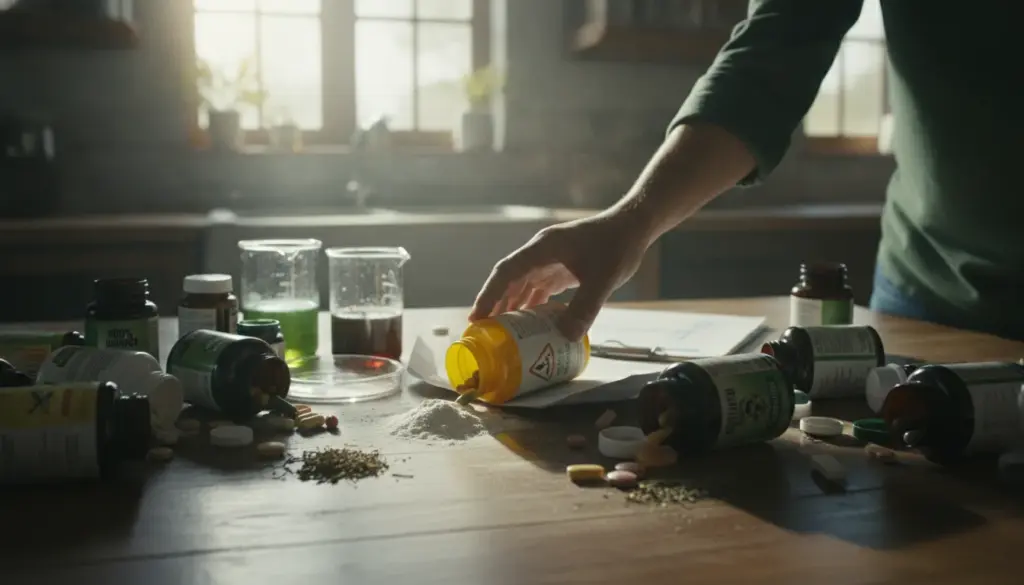
The Illusion of the “Natural” Label
Strolling down the wellness aisle, everything appears incredibly safe and beneficial, especially when bottles proudly display words like “pure formula” or “100% natural.” However, recent clinical reports and monitoring systems reveal a different reality, showing that certain health products can actually trigger adverse effects ranging from mild stomach upset to severe liver toxicity. What exactly is going wrong, and how can you navigate this landscape safely?
Not a Cure, Not a Candy
Under strict European regulations, dietary supplements are legally classified as food products, completely separate from pharmaceutical drugs. This distinction means manufacturers are strictly forbidden from claiming their formulas can cure ailments or prevent diseases. The official purpose of these products is quite modest: they exist solely to fill nutritional gaps or support ordinary bodily functions.
Common household staples include wintertime vitamin D, muscle-relaxing magnesium, daily multivitamins, or sleep-promoting melatonin. Meanwhile, a booming secondary market has emerged for metabolism boosters, hair gummies, and immune-defense blends.
Ultimately, a daily capsule should merely complement a balanced diet. It is never a magic bullet for every physical complaint, nor should it ever replace proper medical treatment. While ingredients allowed in European products must have a documented history of safe human consumption, the ultimate burden of safety falls on the manufacturer.
When a Pill Packs More Than a Plate
The most critical distinction between eating whole foods and swallowing a health capsule lies in the extreme dosing. A single pill can deliver concentrations of vitamins, minerals, or herbal extracts that far exceed what you could physically consume through meals alone. This intense concentration makes them simultaneously highly effective and potentially hazardous.
Medical professionals in the United States have already documented multiple cases of severe liver damage linked to enthusiastic users of specific workout and weight-loss formulas. This growing concern has now reached Europe, prompting several nations to establish dedicated task forces and monitoring networks to track health complaints and intervene swiftly when a specific formula causes harm.
Vitamins vs. Botanicals: A Question of Predictability
Not every wellness product carries the same level of risk. Broadly speaking, the market is divided into two distinct categories: standard vitamin/mineral blends and botanical (plant-based) extracts.
For standard vitamins and minerals, European legislation strictly dictates the maximum allowable doses. The active compounds are precisely defined, the label clearly states the exact dosage, and the physical effects are exhaustively researched.
The Wild West of Plant Extracts
Botanicals present a completely different challenge. A single herbal extract naturally contains dozens, sometimes hundreds, of different chemical compounds. The final makeup of that capsule is heavily influenced by numerous unpredictable factors:
- The specific plant strain and the exact part harvested (leaf, root, or flower)
- Soil quality and fertilizer use
- The precise timing of the harvest
- The chosen chemical extraction method
- Drying and processing techniques
Because of these variables, the powder inside two identical-looking herbal capsules might differ wildly in potency. Furthermore, combining these extracts with other active ingredients can either amplify their effects or create completely unpredictable chemical reactions in the body.
Which Supplements Trigger the Most Complaints?
Data gathered from international adverse event reporting systems paints a remarkably clear picture: health complaints are overwhelmingly linked to herbal preparations, particularly those utilizing highly concentrated plant extracts.
Health authorities across multiple countries have noted rising reports of unwanted side effects associated with several popular botanicals:
- Turmeric (Curcuma): Linked to documented cases of liver injury when taken in very high doses or over long periods.
- Garcinia: A staple in weight-loss blends that has been repeatedly connected to gastrointestinal distress and liver complications.
- Ashwagandha: Widely praised for its stress-relieving properties, yet increasingly flagged in reports of negative physiological reactions.
Crucially, these health crises rarely stem from swallowing a single pill. They typically develop through chronic high-dose consumption, dangerous product combinations, and long-term usage without professional medical supervision.
Why Do Some People React While Others Don’t?
Genetics and Individual Sensitivity
Human bodies do not process chemical substances uniformly. Your unique genetic makeup directly impacts how efficiently your liver enzymes function. While one person might rapidly metabolize and clear a compound, another individual’s body might allow that same substance to build up dangerously. This biological variation explains why some fitness enthusiasts can swallow massive doses without issue, while others experience alarming symptoms at the standard recommended dose.
The Danger of Accidental Stacking
One of the most frequent mistakes consumers make is taking multiple products that share overlapping ingredients. Imagine taking a daily multivitamin, adding a standalone zinc tablet, and washing it down with a specialized “immune defense” drink. While each individual bottle appears completely safe, combining them can easily push your intake dangerously above the safe upper limit.
The misguided belief that “more is better” also heavily contributes to these issues. Desperate for faster results, some consumers intentionally ignore label instructions and double their doses. Your body can naturally filter out some excess, but eventually, harmful accumulation occurs.
Manufacturing Quality and Hidden Contaminants
Not every wellness brand adheres to rigorous manufacturing standards. Budget-friendly pills or products ordered directly from unverified non-EU suppliers occasionally harbor dangerous contaminants. Testing has revealed incorrectly dosed ingredients, heavy metals, or even undeclared pharmaceutical drugs hidden inside these “natural” formulas. Poor extraction techniques can also concentrate a specific plant compound to toxic levels.
How to Supplement Safely
Clinical nutritionists and medical doctors recommend following these essential guidelines to protect your health:
- Consult a professional: Always discuss long-term supplement plans with your primary care doctor, especially if you manage chronic illnesses or take prescription drugs.
- Read the fine print: Scrutinize labels for transparent dosing, clear ingredient lists, and verified origins.
- Respect the limit: Never unilaterally exceed the recommended daily allowance.
- Take a break: Avoid taking any supplement endlessly without pausing to evaluate its actual impact.
- Buy from trusted sources: Stick to certified pharmacies, recognized drugstores, or officially registered online medical suppliers.
- Beware of extreme promises: Exercise extreme caution around aggressive weight-loss formulas, hardcore detox regimens, or intense muscle-building stacks.
- Listen to your body: Cease use immediately and seek medical attention if you experience unexplained rashes, severe abdominal cramps, dark-colored urine, profound fatigue, or yellowing of the skin (jaundice).
A sensible rule of thumb: if your morning routine requires opening five different bottles, it is absolutely time to book a consultation with a registered dietitian or physician.
When Supplements Actually Make Sense
Despite the risks, targeted supplementation can be incredibly beneficial in specific scenarios. Clinically proven use cases include:
- Vitamin D during dark winter months or for individuals with deeper skin tones.
- Folic acid for those actively trying to conceive or currently pregnant.
- Vitamin B12 for strict vegans or patients battling specific intestinal disorders.
- Iron to correct a medically diagnosed deficiency.
In these valid situations, the goal is to correct a documented nutritional deficit, ideally confirmed through blood work. The specific type, dose, and duration are then carefully chosen under medical guidance.
The Hidden Danger: Medication Interactions
Many consumers remain blissfully unaware that herbal extracts have the power to activate or suppress crucial liver enzymes. This interference can drastically alter how quickly prescription drugs are metabolized in your body. Consequently, your medication levels might spike dangerously high or drop too low to be effective.
Doctors are particularly wary of combining botanical pills with certain high-risk medications:
- Blood-thinning medications
- Heart arrhythmia treatments
- Antidepressants
- Any prescription drug with a narrow safety margin
Patients who take daily prescriptions and impulsively add a “harmless natural remedy” to the mix often have no idea they are initiating a chaotic, potentially lethal chemical cocktail inside their liver.
The Importance of Reporting Issues
Many health agencies now operate dedicated portals where both healthcare providers and ordinary citizens can flag suspected supplement side effects. Every single report acts as a vital puzzle piece, helping toxicologists identify dangerous patterns, whether it is a recurring brand, a toxic herb, or a specific cluster of symptoms.
Armed with this data, regulatory watchdogs can issue public warnings, mandate formula changes, or yank dangerous products off the shelves entirely. By speaking up, affected consumers directly protect future buyers from suffering the same fate.
Final Thoughts for Daily Users
If you maintain a vibrant, balanced diet, spend time outdoors, and have no diagnosed medical conditions, your meals are likely providing all the micronutrients you need. If you harbor doubts, a simple laboratory blood test offers far more valuable insight than blindly ordering a massive box of wellness capsules online.
For those who do rely on daily pills, consider implementing a routine “supplement audit.” Once or twice a year, take a hard look at your cabinet and ask yourself if every single bottle is still genuinely necessary. Eliminate the excess, discuss uncertainties with a medical professional, and remain highly skeptical of aggressive herbal extracts. By taking this mindful approach, you ensure your health aids remain helpful, rather than silently transforming into a hidden hazard.