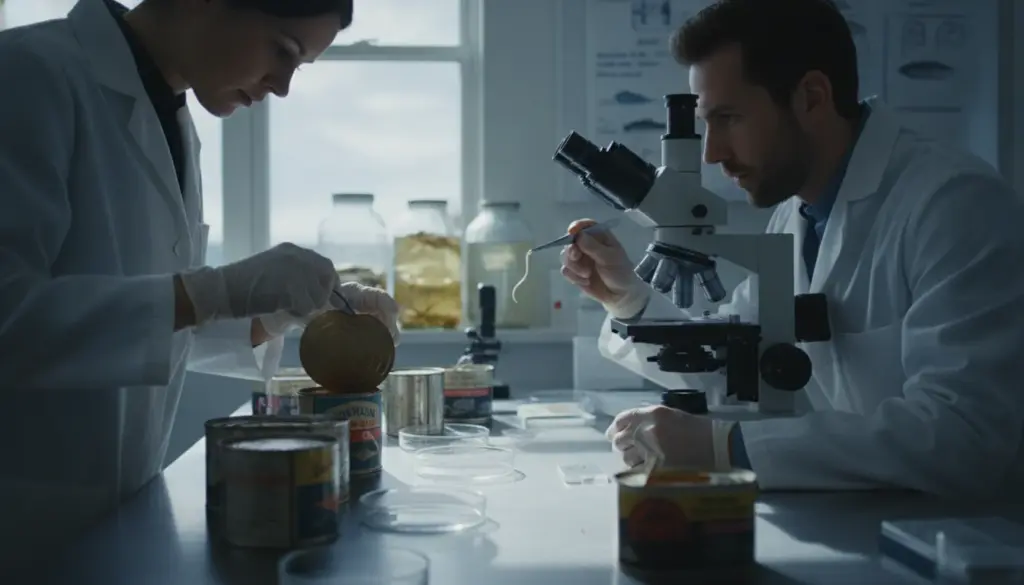

Inhaling Spores with Every Breath
What was once primarily a headache for hospital wards and grain storage facilities is rapidly escalating into a global health and food security crisis. Emerging environmental research shows that specific fungi are adapting at an alarming rate, developing resistance to standard medications, and colonizing new territories deep into Europe and beyond.
We inhale millions of microscopic fungal spores every single day. For most of us, a healthy immune system quickly and efficiently clears these intruders away. However, a small fraction manages to take root, posing a severe threat to individuals with compromised immunity, chronic lung diseases, or those recovering from intense viral infections like the flu or COVID-19.
The Aspergillus fungus plays a leading role in this growing biological threat. Ordinarily, these organisms thrive peacefully in soil, decaying leaves, grain, and even animal feathers. In their natural habitat, they serve a vital ecological purpose by breaking down dead organic matter and recycling essential nutrients.
Yet, when these spores infiltrate human lungs, medical facilities, or agricultural silos, their helpful recycling behavior turns deeply destructive. Once inhaled, Aspergillus spores can settle inside the respiratory tract, multiplying and gradually deteriorating the body from the inside out. While healthy individuals rarely notice a thing, this pathogen can quickly become life-threatening for cancer patients, those with COPD or severe asthma, transplant recipients, and intensive care patients.
How a Warming Climate Alters the Fungal Landscape
Recent climate modeling provides a stark picture of how three prominent Aspergillus species—A. flavus, A. fumigatus, and A. niger—might spread by the end of this century. By running various environmental scenarios, researchers successfully tracked the virtual migration and future settlement of these airborne spores.
If global reliance on fossil fuels remains high, vast stretches of Europe will transform into highly hospitable breeding grounds for these organisms. Rising average temperatures, prolonged periods of humidity, and intense rainfall create the perfect storm for fungal proliferation.
- The suitable habitat for A. flavus across Europe could expand by roughly 16 percent.
- This ecological shift could put nearly 1 million additional people at risk of dangerous exposure.
- A. fumigatus, the primary culprit behind invasive aspergillosis, might see its geographic footprint explode by over 77 percent.
- Consequently, up to 9 million more Europeans could soon find themselves living within high-risk infection zones.
Interestingly, these climate shifts do not have a uniform impact worldwide. Certain regions in Africa may eventually become too scorching for these specific fungi to survive. However, the threat simply relocates to areas where the climate becomes more accommodating, heavily impacting large sections of Europe, North America, and Asia.
From Farm Fields to the ICU: A Shared Chemical Threat
The behavioral adaptation of Aspergillus highlights the incredibly fragile boundary separating agriculture, natural ecosystems, and clinical healthcare. In the agricultural sector, farmers heavily rely on azoles—a class of antifungal chemicals used to protect staple crops like wheat, corn, and peanuts. In a troubling parallel, medical professionals rely on nearly identical azole-based medications to treat human patients battling fungal lung infections.
This chemical overlap triggers a hazardous chain reaction. Out in the fields, fungal spores are frequently exposed to sub-lethal doses of agricultural fungicides, allowing them to slowly build a biological tolerance. The resilient strains that survive this exposure carry newly formed resistance genes, which are then carried miles away by wind and dust.
Eventually, these hardened, drug-resistant spores infiltrate hospital ventilation systems. Every acre of farmland treated with azole sprays inadvertently increases the likelihood that a vulnerable patient will encounter a highly resistant fungal spore. The clinical consequences are devastating.
When a patient contracts an azole-resistant Aspergillus infection, mortality rates can soar above 50 percent. While alternative antifungal therapies certainly exist, they are notoriously expensive, difficult to administer, and can cause severe toxic damage to the kidneys and liver.
Extreme Weather Accelerates Spore Dispersal
Ambient temperature, atmospheric humidity, and severe weather events directly dictate exactly where fungal spores settle and germinate. Hotter, extended summers prolong the active growing season for these resilient organisms. Meanwhile, heavy flooding and torrential rains leave residential buildings, basements, and agricultural silos damp and permanently mold-prone.
Conversely, sudden droughts combined with dust storms can launch massive clouds of spores across entire cities and farming regions in a matter of hours. Infectious disease specialists have long documented Aspergillus outbreaks linked to hospital construction projects, where disturbed dust and rubble launch dormant spores into the breathable air.
Spikes in infection rates also frequently follow major storms or regional sandstorms. As extreme weather events become the global norm, healthcare facilities will need to implement stricter building protocols, install advanced air filtration systems, and continuously monitor indoor air quality.
Threatening the Food Supply and the Economy
The devastation caused by these adapting fungi extends far beyond human healthcare. The agricultural industry faces a massive parallel crisis known as mycotoxins—highly toxic compounds produced by specific molds growing on grains, nuts, and livestock feed. A single bad year of rampant Aspergillus growth can cost the American corn industry upward of $1 billion due to crop rejections, diminished yields, and degraded quality.
As average temperatures climb and moisture levels fluctuate wildly, the risk of grain molding in the field and during storage skyrockets. To manage this relentless threat, farmers are often forced to take drastic measures:
- Discard heavily contaminated grain shipments entirely.
- Blend different harvested batches to dilute the overall toxin concentration.
- Invest heavily in additional, highly sensitive laboratory testing.
- Spend far more resources on cooling and drying storage silos.
All of these mitigation strategies drain immense time and capital, yet the toxins are rarely eliminated completely. If contaminated grain enters the animal feed supply, these harmful compounds can seamlessly weave their way into the human food chain, posing distinct health risks to both livestock and consumers.
Fungal Research Lags Behind the Growing Threat
Scientists estimate that our planet hosts anywhere between 1.5 and 3.8 million distinct fungal species. However, only a tiny fraction of these have been officially classified, and even fewer have had their complex DNA fully sequenced. This massive knowledge gap makes developing effective modern vaccines and novel antifungal drugs an incredibly slow and expensive endeavor.
In 2022, the World Health Organization officially recognized the severity of this issue by placing Aspergillus and specific Candida strains on a priority watch list for emerging biological threats. Despite this alarming global designation, fungal research continues to receive significantly less funding and scientific attention than bacterial or viral studies, even as severe infection rates climb.
Public health experts are now fiercely advocating for a comprehensive early warning system. By integrating live data from environmental air quality sensors, soil testing, crop analysis, and hospital records, authorities could rapidly pinpoint emerging hotspots of drug-resistant fungi. This proactive approach would finally allow regulators to implement stricter fungicide controls exactly where and when they are needed most.
A Looming Silent Pandemic
Diagnosing a complex fungal infection is notoriously difficult in a clinical setting. Because the initial symptoms—such as a spiking fever, persistent coughing, and shortness of breath—closely mimic a standard viral infection or bacterial pneumonia, medical professionals often catch the true fungal culprit far too late. Diagnostic testing can be sluggish or entirely unavailable in certain underfunded regions.
While doctors anxiously await laboratory results, the fungus uses that precious time to spread deeper into the patient’s delicate lung tissue and bloodstream. Epidemiologists caution that without immediate improvements in diagnostic tools, tighter regulations on agricultural chemicals, and decisive climate action, these currently manageable fungi could easily spark a silent pandemic. Rather than a sudden, explosive outbreak like a novel respiratory virus, the world would face a slow, relentless wave of untreatable infections and catastrophic, widespread crop failures.
Practical Steps to Protect Yourself and Your Environment
While massive governmental policy shifts, scientific breakthroughs, and industrial changes are ultimately essential, individual everyday actions also make a tangible difference in limiting dangerous fungal exposure.
- Monitor post-illness symptoms: Always seek thorough medical evaluation for lingering lung issues after a hospital stay, chemotherapy, or a severe bout of the flu, especially if a heavy cough simply refuses to go away.
- Control indoor moisture: In damp homes or apartments, prioritize proper daily ventilation, aggressively clean up minor mold spots immediately, and hire professionals to resolve deep structural moisture issues.
- Reevaluate farming practices: Agricultural workers and livestock owners should collaborate with agronomists to critically assess their heavy reliance on azole fungicides and pivot to sustainable biological alternatives whenever viable.
- Demand better building standards: Local governments must strictly enforce rigorous construction and renovation codes around hospitals and nursing homes, keeping a strict, unyielding focus on dust suppression and clean air ventilation.
For absolute clarity on the clinical terminology used by experts: mycotoxins are simply toxic metabolic byproducts created by actively growing molds, which often covertly contaminate human food or livestock feed. Invasive aspergillosis is an incredibly aggressive form of fungal infection where the pathogen breaks out of the lungs, infiltrates the bloodstream, and begins heavily damaging vital organs. This terrifying condition primarily threatens individuals with severely compromised, weakened immune defenses.
Because fungi grow at a much slower, more deliberate pace than aggressive bacteria or viruses, they react very differently to standard medical treatments. Complete recovery often demands grueling weeks or even months of intensive antifungal therapy, taking a heavy physical and emotional toll on the patient. When you combine this biological resilience with a rapidly changing global climate, intensive modern farming practices, and a growing population of medically vulnerable people, the result is an incredibly complex global health puzzle.
By openly acknowledging and proactively addressing these combined environmental and medical risks today, we can significantly minimize future catastrophic damage—across our hospitals, our vital agricultural lands, and right inside our own living rooms.