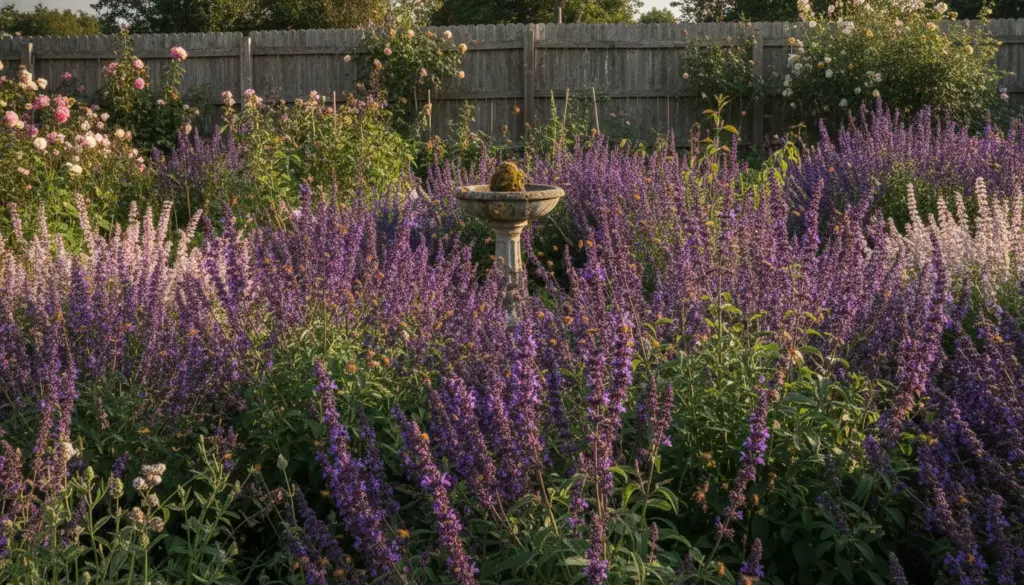
When we envision fragrant, purple-blooming gardens, lavender usually springs to mind first. However, the classic Mediterranean favorite isn’t your only option for a vibrant outdoor space. There is a remarkably similar-looking alternative that boasts exceptional hardiness while acting as an absolute magnet for pollinators: woodland sage.
This vibrant perennial delivers spectacular color and stands out as a top-tier choice for supporting local ecosystems without demanding constant upkeep.
Woodland sage: The ultimate pollinator-friendly perennial
Botanically known as Salvia nemorosa, woodland sage is a remarkably resilient, winter-hardy ornamental plant. It serves as an irresistible hotspot for bees, bumblebees, and butterflies seeking reliable nourishment.
The plant produces an abundance of nectar-rich, tubular flowers that provide crucial sustenance for foraging insects. Because it boasts a remarkably long flowering period stretching from May right through to September, this low-maintenance garden staple ensures a steady food supply for your flying visitors while looking absolutely stunning.
Popular woodland sage varieties for your landscape
You can find this stunning perennial in a diverse array of cultivars, offering different blooming heights and spectacular color palettes. Some of the most highly regarded varieties among horticultural enthusiasts include:
- ‘Blue Hill’ (Blauhügel): A staple in classic perennial borders, showcasing vivid, glowing blue blossoms.
- ‘May Night’ (Mainacht): Stands out with intense, dark blue flowers and is known for its exceptionally early blooming cycle.
- ‘Amethyst’: Delivers a charming, romantic aesthetic to balconies and beds with its delicate pink spikes.
- ‘East Friesland’ (Ostfriesland): Creates dramatic visual contrast in any landscape thanks to its deeply saturated purple tones.
- ‘Snow Hill’ (Schneehügel): Features pristine white blooms that perfectly illuminate shadier corners of your yard.
Ideal growing conditions and essential care tips
To ensure your woodland sage thrives and attracts the maximum number of beneficial insects, plant it in a warm, fully sunlit location. The soil must offer excellent drainage to keep the root system healthy and prevent rot.
Once established, this resilient plant demonstrates impressive drought tolerance and requires very little maintenance. These specific traits make it a flawless candidate for sun-drenched balconies, traditional garden beds, and arid rockeries.
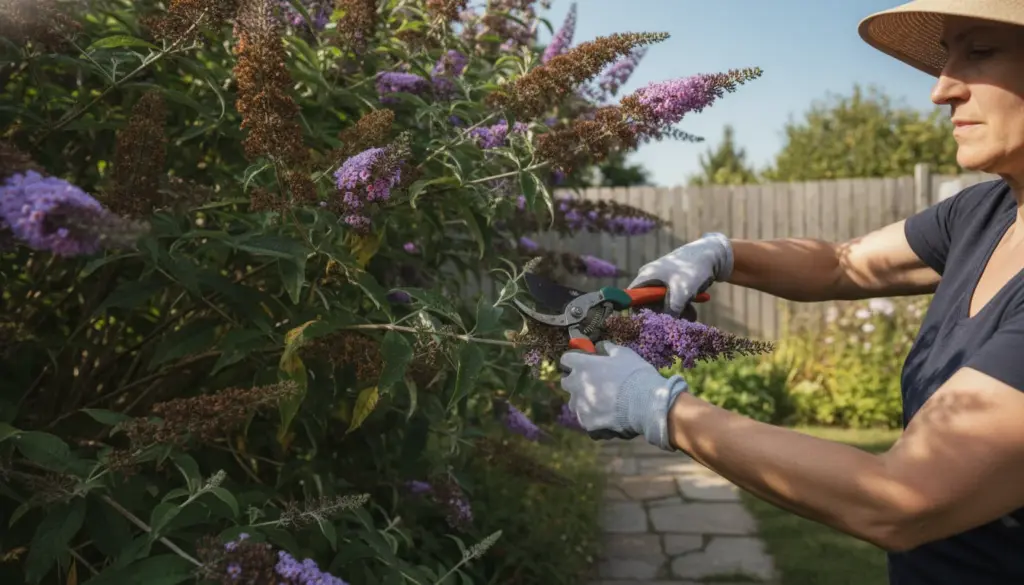
As a remontant perennial, it possesses the remarkable ability to produce a second flush of flowers. Simply prune the stems back by roughly one-third immediately after the initial blooming phase fades, and apply a light dose of fertilizer. This proven technique easily extends the critical nectar buffet well into the late summer months.
Expanding your insect-friendly garden oasis
A truly thriving, pollinator-friendly garden relies on rich biodiversity. You can elevate your outdoor space by pairing woodland sage with other proven insect favorites.
Excellent companion plants include catmint (Nepeta faassenii) and purple top vervain (Verbena bonariensis), both of which are highly sought after by local butterfly populations.
Finally, to keep your buzzing guests hydrated during scorching summer days, setting up a shallow insect drinking station is highly recommended. Creating your own DIY water source is incredibly easy and provides a vital, life-saving resource for hard-working pollinators.