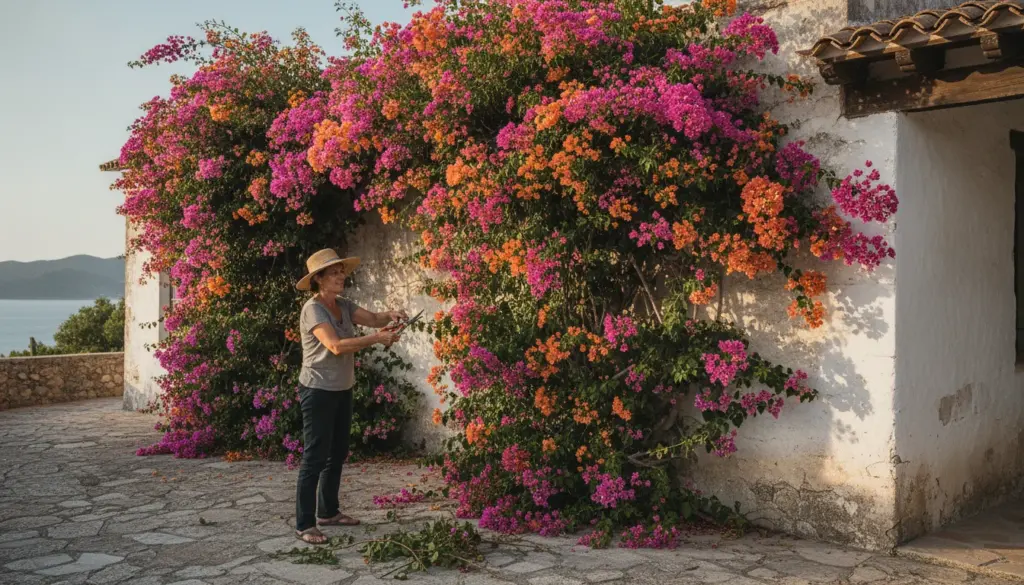
It can be incredibly frustrating when your beautiful tropical vine refuses to produce new shoots. Fortunately, these exotic climbers are incredibly resilient and rarely suffer from serious diseases.
When their development stalls or those vibrant flowers fail to appear, it usually comes down to a few basic maintenance missteps. By making strategic adjustments to your clipping routine and choosing the perfect spot, you can easily coax this stunning plant back into a state of vigorous life.
Trimming Your Bougainvillea: The Ultimate Growth Trigger
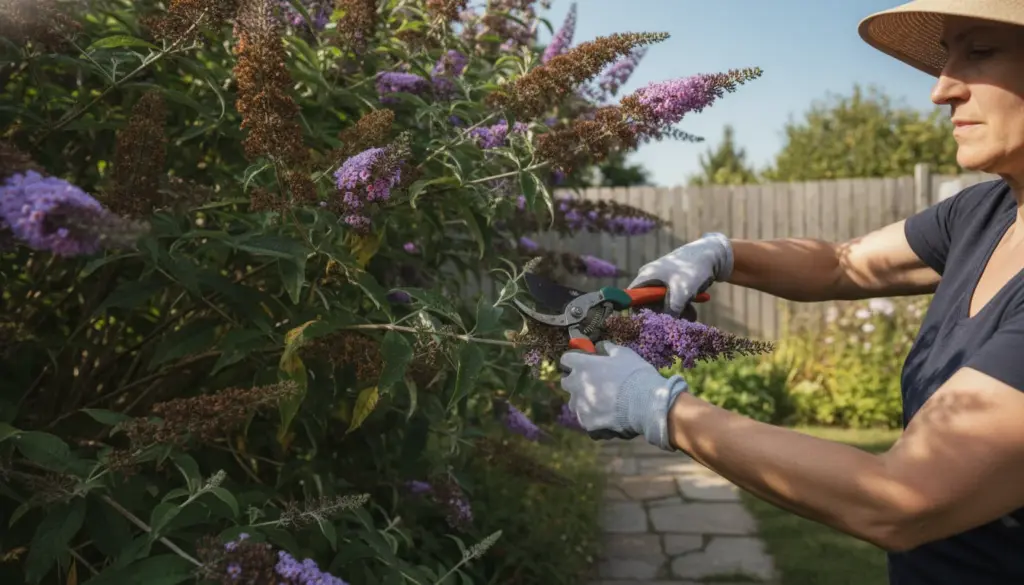
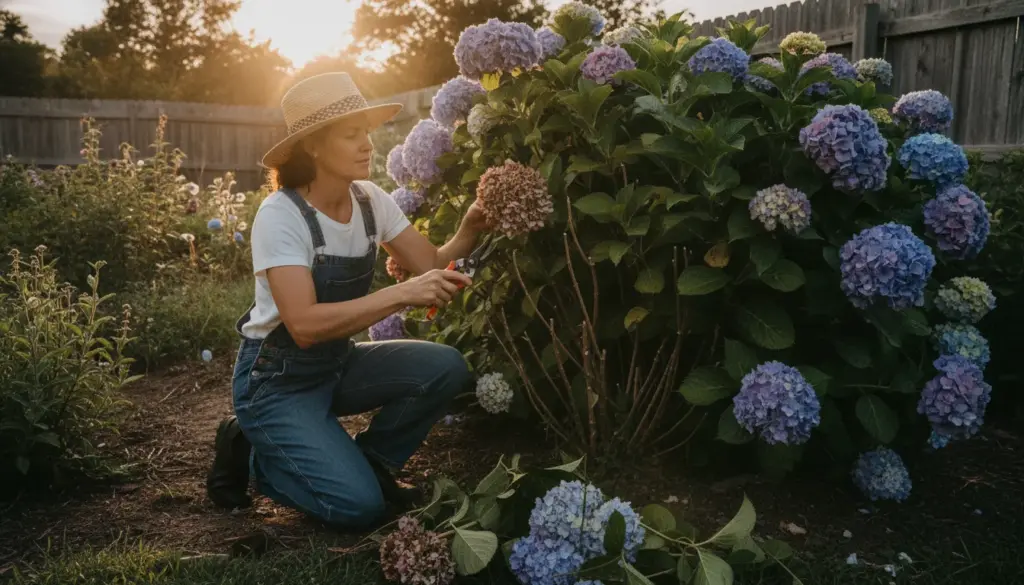
Many passionate plant lovers hesitate to cut their vines back severely. However, being too timid with the pruning shears is frequently the exact reason behind a lackluster display. Taking a bold approach to shaping is actually one of the most critical steps in proper care.
A targeted trim serves several vital purposes for your plant’s health:
- Igniting fresh growth: Snipping the branches in autumn or early spring—right before the initial sprouting phase—forces the vine to branch out. Every single cut you make signals the plant to push out robust, vigorous new stems.
- Maintaining a lush shape: Left to their own devices, these climbers love to shoot out long, unruly vines. Regular shortening of these wild outliers throughout the season encourages a dense, compact appearance. Just remember to watch out for those hidden thorns!
Perfect Positioning and Essential Care Routines
Beyond a good haircut, finding the absolute best environment is the second secret to a thriving specimen. Because they originate from intensely hot, sun-drenched climates, these botanicals have very specific environmental demands. They absolutely crave full, unfiltered sunlight.
- Maximum light and heat: Always position your container in the brightest, sunniest corner of your outdoor space. Any shade will inevitably halt its progress. The spot needs to stay toasty throughout the day, and if you move it outside early in the spring, remember to toss a protective cover over it during chilly nights.
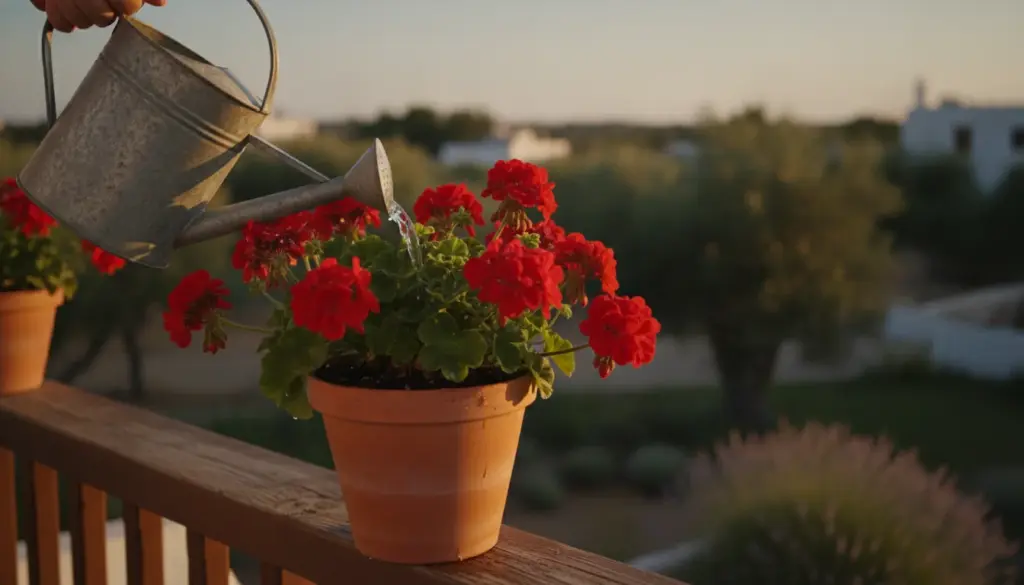
- Smart watering habits: Moisture balance is a delicate dance. You want to let the root ball dry out significantly between watering sessions to completely prevent root rot, yet you must never let the soil turn bone dry.
- Consistent feeding: From May through September, your tropical showstopper is working hard. Supplying a high-quality liquid fertilizer formulated for potted plants every one to two weeks is essential for fueling that rapid expansion.
Why Are the Colorful Blooms Missing?
If you are staring at a mountain of green leaves but zero vibrant bracts, three main culprits are likely at play. The most common offender is inadequate sunshine. These tropicals are true sun-worshippers and require an intensely bright, warm location to form floral buds. Placing them in partial shade is a guaranteed way to prevent flowering.
Secondly, a fearless pruning session is non-negotiable. Without removing older wood, the plant lacks the motivation to generate the fresh branches that actually carry the blossoms. Finally, a diet lacking in proper nutrients will leave your vine too weak to produce a floral show. Pairing regular phosphorus-rich feeding during the active season with a carefully temperature-controlled winter dormancy area will ensure spectacular results next year.
Frequently Asked Questions
Can improper watering actually stop my vine from growing?
Absolutely. Both extremes are highly damaging. Soggy soil invites severe root decay, shutting down nutrient absorption entirely and halting all progress. Interestingly, overwatering also tricks the plant into prioritizing leafy green foliage over colorful blossoms. On the flip side, chronic dehydration triggers survival mode, bringing all development to a screeching halt. A balanced, even watering rhythm is crucial.
How critical are fertilizers for overall vitality?
During the peak active months from spring through late summer, these heavy feeders burn through nutrients rapidly. A sudden deficiency in essential minerals, particularly nitrogen, will quickly manifest as pale, yellowing leaves and a complete standstill in physical size. Staying on top of a consistent feeding schedule is the only way to guarantee a healthy, vigorous display.