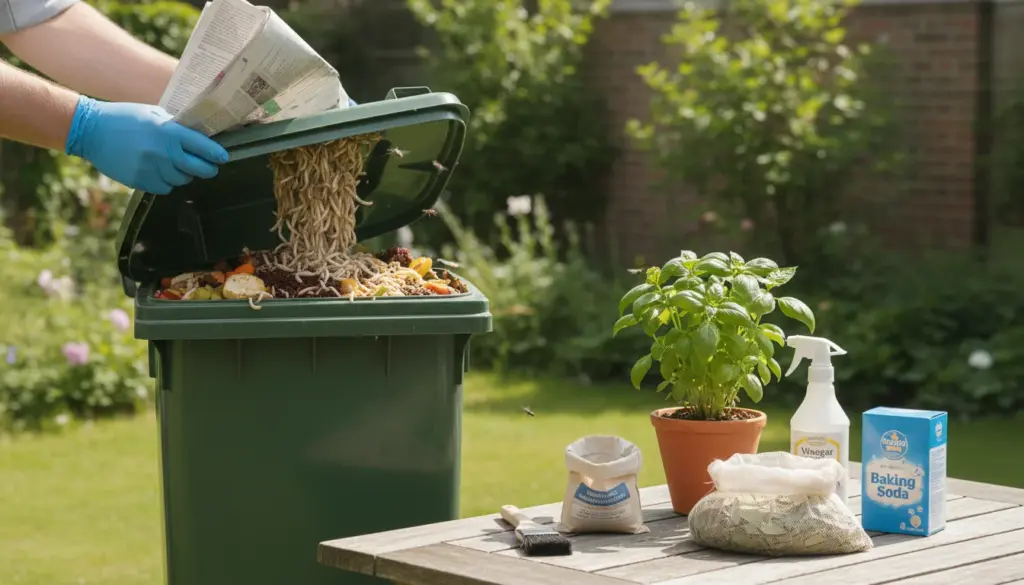
As soon as the summer heat sets in, that familiar and unwelcome sight returns: a swarm of white larvae taking over your food waste. Fortunately, dealing with an infestation doesn’t have to be a nightmare. By applying a few targeted strategies, you can effectively deter pests and keep your waste container completely bug-free.
These wriggling intruders are typically the offspring of common houseflies or blowflies. They are irresistibly drawn to the pungent odors and high moisture levels of decaying organic matter. The specific chemical byproducts of this breakdown, such as butyric acid and hydrogen sulfide, act like a highly effective biological magnet for these insects. Inside that dark, humid environment, adult flies discover an ideal nursery, frequently depositing up to 150 eggs every couple of days.
Once those eggs are laid, they hatch into larvae at an astonishing rate. Breaking this unhygienic cycle requires a proactive approach aimed at blocking access and eliminating the environmental conditions these pests need to thrive. The absolute most critical factor in this battle is maintaining strict dryness.
Preventing maggots in the organic bin: How it works
- Strategic placement: Your container should permanently reside in a heavily shaded, cool area, such as inside a garage. Exposing the plastic to direct sunlight rapidly accelerates the rotting process, which instantly intensifies those pest-attracting smells.
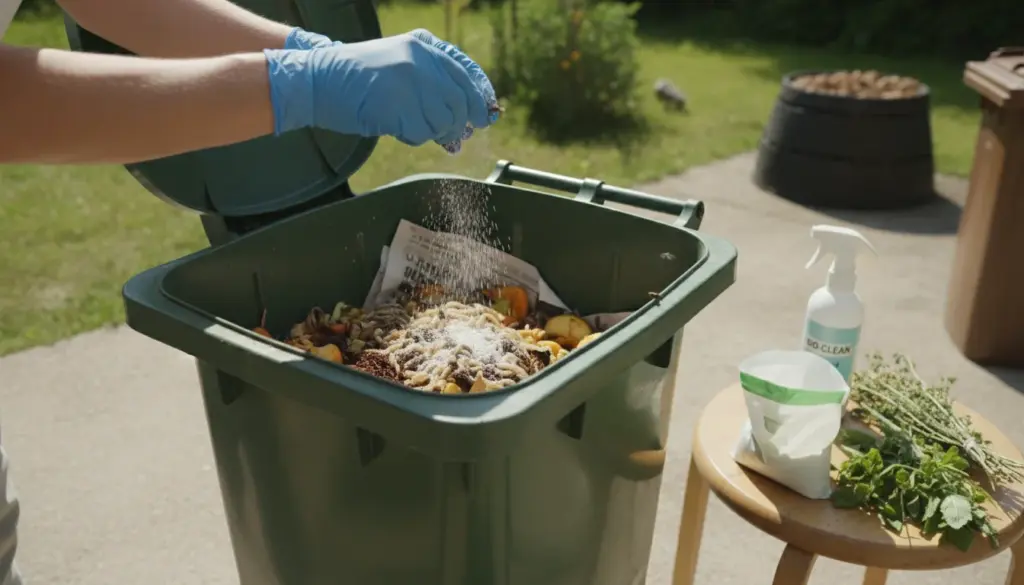
- Moisture control: Always wrap soggy food scraps securely in old newspaper before tossing them out. Building a moisture-absorbing foundation at the bottom of the container—using torn egg cartons, dry grass clippings, or standard sawdust—works wonders. If you don’t have sawdust on hand, affordable pet bedding made from natural wood shavings or even dry compost makes an excellent alternative to soak up excess liquids. These kitchen remnants can later serve as fantastic fertilizer for your plants.
- Proper sorting: Animal-based leftovers, including dairy, fish, meat, and sausage scraps, should never go into your compostable waste. The specific proteins in these foods are the ultimate attractant for breeding flies. Instead, seal these items tightly and place them in your standard household trash.
- Secure seals: Always double-check that your lid is completely shut, preferably utilizing a container designed with a thick rubber gasket. For an added layer of defense, try wiping the rim with a diluted solution of lavender or citrus essential oils, as these strong natural scents naturally repel hovering insects.
- Odor neutralization: Lightly dusting your layers of waste with natural rock dust is a highly effective maintenance habit. This mineral powder not only sucks up unwanted dampness but also instantly neutralizes the harsh odors associated with active decomposition.
Maintain a strict cleaning routine
To prevent future pest generations from taking hold, make a habit of washing out the container frequently, ideally right after the municipal collection. Blast away lingering residue using a high-pressure washer or a garden hose equipped with a powerful nozzle.
Next, scrub the interior surfaces and the underside of the lid using a simple mixture of water and white vinegar. This acidic wash serves a dual purpose: it neutralizes any lingering stench and acts as a powerful deterrent against egg-laying flies. Finally, leave the freshly washed container out in the bright sunshine with the top fully open until the plastic is completely bone dry before adding any new waste.