While sun-loving crops like eggplants, peppers, and tomatoes naturally thrive in scorching heat, other garden favorites can quickly struggle. Wondering how to keep delicate radishes and thirsty cucumbers growing during the hottest months? A few strategic adjustments can make all the difference for a crisp, abundant yield.
Extreme temperatures and prolonged dry spells affect different plants in unique ways. However, by selecting the appropriate cultivars, optimizing your hydration routine, and actively nurturing the earth, you can easily protect your garden against harsh summer conditions.
1. Select Resilient Crop Varieties
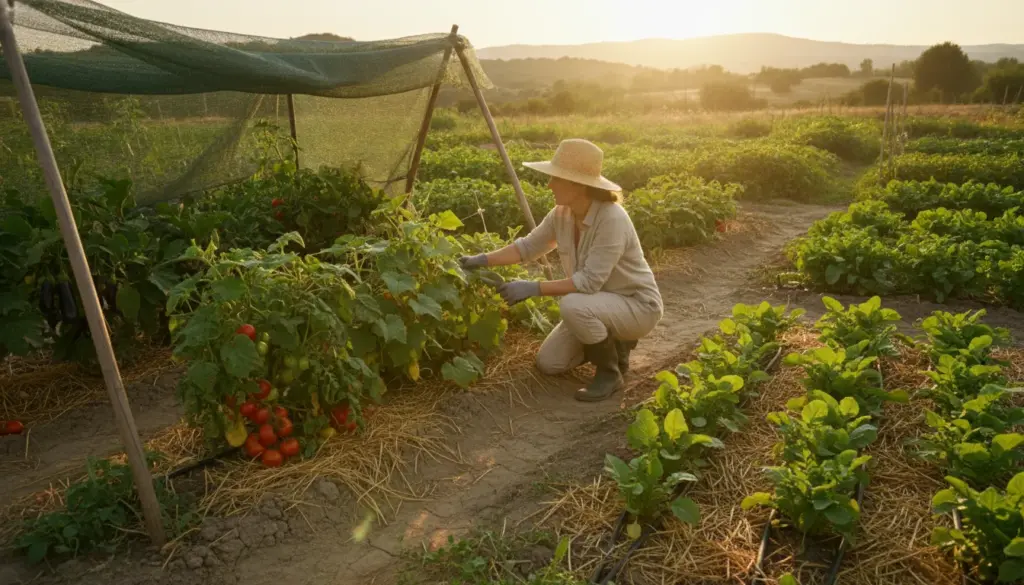
Sun-drenched garden beds are the perfect home for naturally heat-tolerant favorites like carrots, onions, potatoes, eggplants, sweet peppers, and tomatoes. Surprisingly, you can still successfully cultivate moisture-loving plants such as radishes, kohlrabi, and cucumbers in these hot zones—provided you strictly manage their hydration levels.
Craving fresh greens during the peak of the season? Skip the traditional delicate greens and opt for cut-and-come-again picking lettuces or resilient Swiss chard. Both of these leafy options will continue to produce beautifully despite rising temperatures.
2. Master Smart Watering Techniques
Proper hydration is absolutely non-negotiable, especially for young seedlings that are just establishing their root systems. Even brief periods of drought stress can severely stunt plant development and dramatically diminish your final harvest.
By implementing a few efficient watering habits, you can maximize your garden’s water usage while simultaneously minimizing evaporation and locking moisture deep underground.
- Water at dawn: Provide hydration during the cool, early morning hours before the sun peaks.
- Soak deeply: Saturate the earth thoroughly rather than offering frequent, shallow sprinkles.
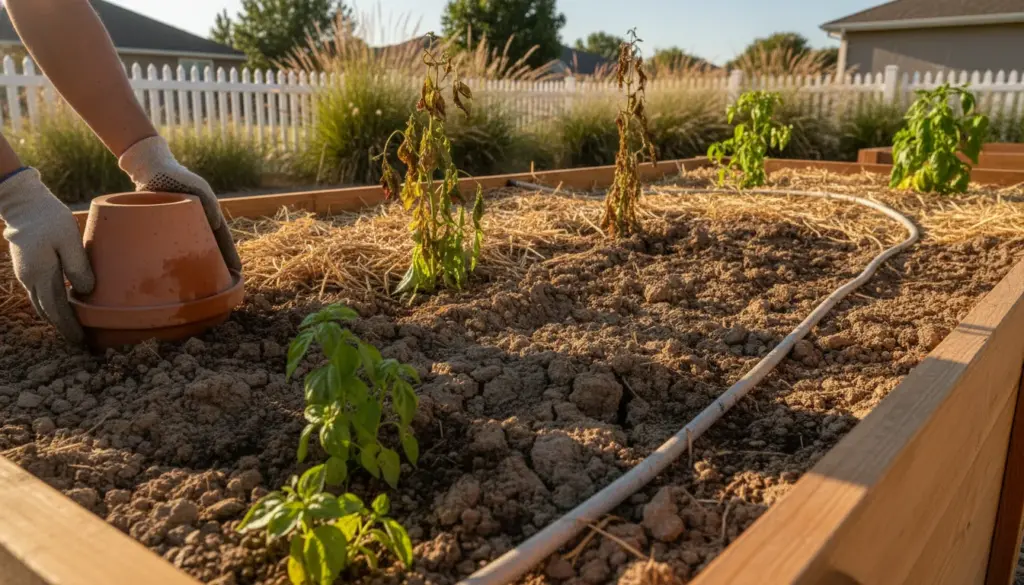
- Target the roots: Shape small soil basins directly around the plant stems to catch and direct water downward.
- Automate your flow: Install efficient drip irrigation systems for consistent moisture.
- Harvest the rain: Collect natural rainfall using a dedicated rain barrel or cistern.
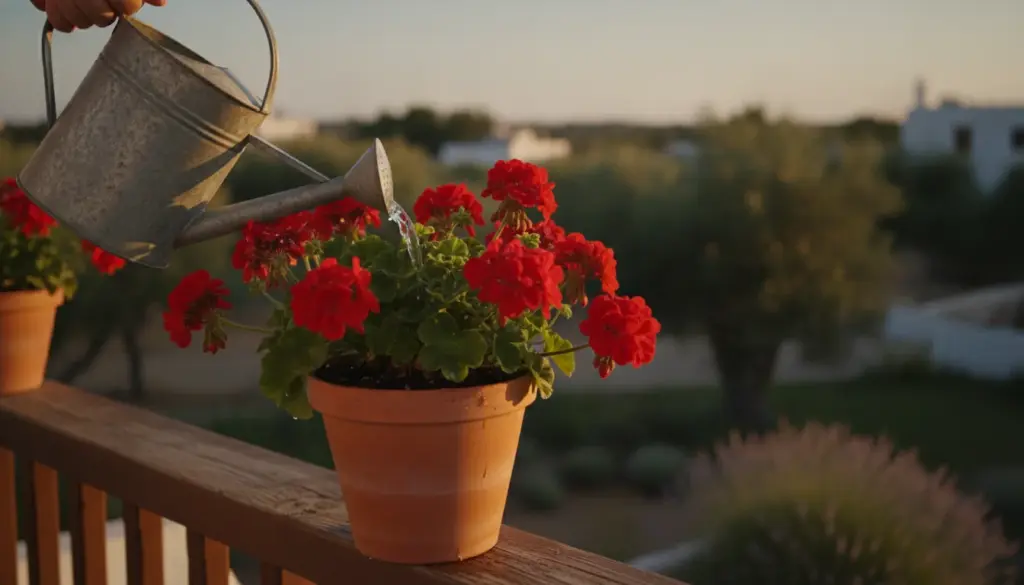
Be extra vigilant if you are cultivating crops in balcony boxes, containers, or raised beds. The confined earth inside planters bakes much faster than open ground soil, leading to rapid moisture loss. Pro tip: Opt for light-colored containers to reflect the sun’s rays and keep the potting mix significantly cooler.
During extended heatwaves, constantly check the moisture levels of your soil. Highly sensitive crops like cucumbers will demand more frequent watering to prevent wilting and bitter-tasting fruits.
3. Nourish and Protect the Soil
Defeating drought stress requires more than just a hose; it demands excellent soil management. A robust, healthy soil structure naturally acts like a sponge, absorbing and holding onto vital moisture far more effectively.
To enhance your garden’s drought resilience, try these proven earth-care methods:
- Apply a thick layer of mulch using organic materials like straw, dried plant matter, or grass clippings.
- Blend rich compost directly into your planting beds to improve moisture retention.
- Gently aerate the topsoil on a regular basis to prevent a hard crust from forming on the surface.
- Feed your crops with appropriate fertilizers based strictly on their specific nutritional needs.
These earthy upgrades will shield your crops during brutal dry spells. Furthermore, when massive summer thunderstorms finally break the heat, a beautifully aerated soil structure will instantly absorb the heavy downpours instead of letting the precious water wash away.