Perfecting the Pour for Potted Fig Trees
While fig trees are famous for basking in the sun, depriving them of proper hydration will quickly ruin your chances of a bountiful harvest. It is a common misconception that all Mediterranean greens thrive in bone-dry conditions. When it comes to cultivating figs, assuming they prefer drought is a costly mistake. Their thirst levels vary dramatically depending on whether they are kept in containers or planted freely in the garden. An experienced owner of an organic fig farm in Vienna shares why your watering can is crucial during summer, and how overdoing it might actually destroy your dream of harvesting sweet, juicy fruits.
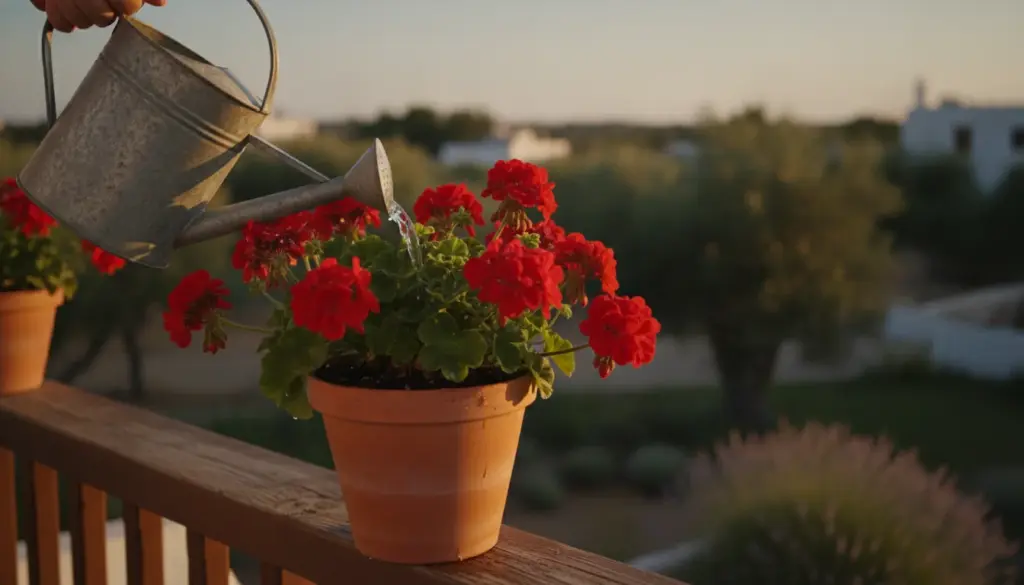
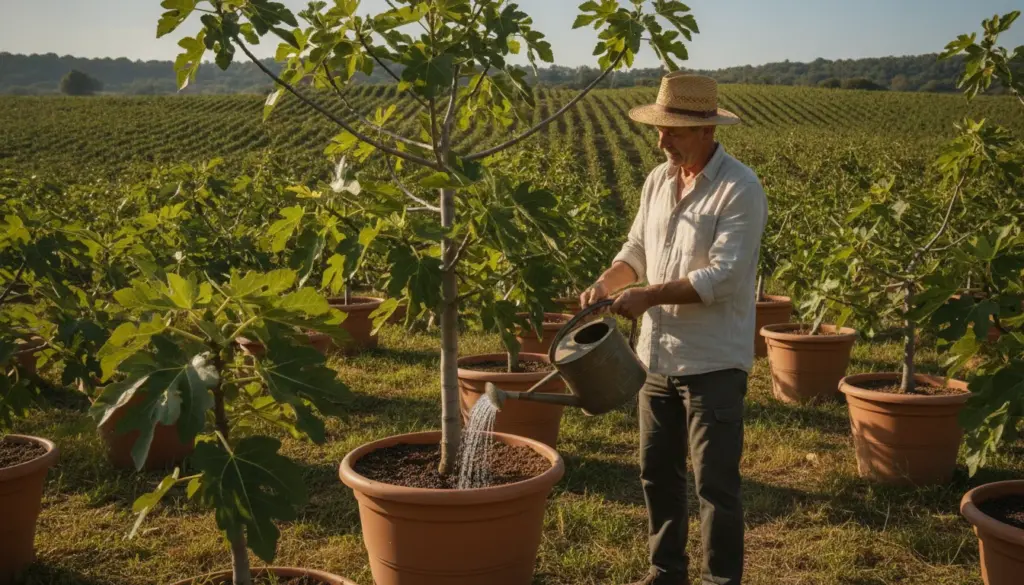
Caring for a container-grown fig during the hottest months requires a delicate touch. Throughout intense heatwaves and the active fruit-ripening stage, these container plants demand substantial and consistent moisture. However, when the summer weather cools down slightly, their thirst drops significantly.
To get this balance exactly right, cultivation experts swear by the 10-percent runoff rule. For instance, if you pour one liter of water into the soil, exactly 100 milliliters should drain out of the bottom. This clever technique guarantees that the root system is thoroughly hydrated while simultaneously flushing out harmful excess salts, such as sulfate and sodium compounds. Morning is the ideal time for this task, though setting up a reliable drip irrigation system works wonders too.
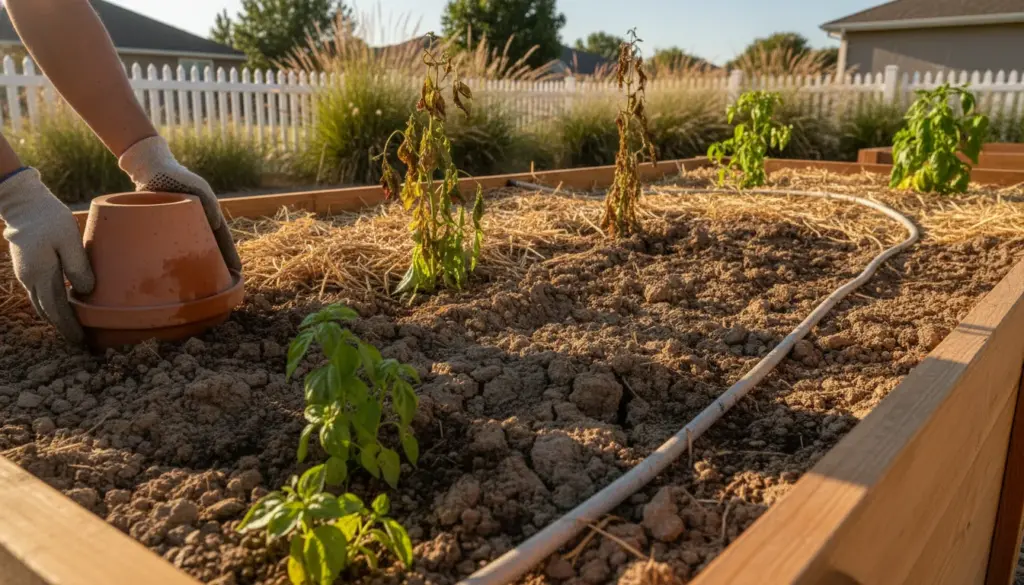
During the cooler days of spring and autumn, you can safely scale back your watering routine. Once winter arrives and the plant enters dormancy, the soil must be kept relatively dry. In an unheated greenhouse, dormant deciduous varieties only need a drink every three to five weeks. Before reaching for the water, always perform a quick finger test to check the topsoil’s moisture. Crucial tip: Never let residual water sit stagnant in the saucer underneath the pot.
Essential Guidelines for Fig Hydration
- Embrace hard water: These robust trees actually prefer alkaline, calcium-rich moisture, meaning standard tap water is usually perfect.
- Monitor constantly: Inspect your summer plants on a weekly basis. If you spot drooping leaves, hydrate the soil immediately!
- Prevent waterlogging: Always dump out leftover liquid from saucers and ensure outdoor beds feature excellent drainage.
Less is More: Watering Figs in the Garden
Once a fig tree is permanently established in your garden soil, your hydration strategy must shift completely. During arid summer months, the golden rule is extensive interval watering. In the first two years of growth, it is vital to intentionally expose the sapling to longer dry spells. This mild stress actively encourages the roots to dive deeper into the earth.
If your garden has sandy or stony soil, aim to hydrate the area one to two times a week. For heavier, clay or loamy ground, a thorough soaking every one to two weeks is entirely sufficient. By doing this, you compel the roots to hunt for moisture in deeper subterranean layers, ultimately creating a much more resilient tree. For older, mature trees, watering is rarely needed unless a severe drought strikes or a new crop of fruit begins to swell.
Should Mother Nature deliver a heavy downpour exceeding 15 millimeters (liters per square meter), you can skip your watering duties altogether. Keep in mind that a well-draining base—enhanced with coarse gravel or crushed stone—is non-negotiable to prevent root rot. You can easily spot poor drainage if puddles linger long after a rainstorm. In highly compacted soils, the roots suffocate from a lack of oxygen, which can prove fatal. Interestingly, even outdoor figs require attention during long, dry winters; they should be watered heavily on mild days to prevent dangerous frost drought.
Peak Thirst: Managing Heatwaves and Fruit Development
Whether your prized tree lives in a patio tub or a spacious garden bed, its moisture requirements will skyrocket during two distinct events: sweltering summer heatwaves and the onset of fruit maturation. During these critical windows, the plant expends massive amounts of energy and liquid to plump up those large, delectable figs.
You must tweak your maintenance routine to accommodate this surging demand. Be incredibly generous with the watering can to support the ripening process, while remaining perpetually vigilant against the ever-present danger of soggy, waterlogged roots.