While Mediterranean plants usually thrive in blazing heat and bone-dry conditions, assuming the same applies to your fig tree is a major misconception that could completely ruin your harvest. Depending on whether your green companion lives in a patio container or is planted directly in the earth, its hydration needs vary drastically. A professional grower reveals why grabbing the watering can is crucial during the summer months, yet overdoing it might shatter your dreams of harvesting sweet, juicy fruits. Discover why excess moisture isn’t always the answer and how a simple ten-percent rule changes everything.
Mastering the Moisture: Potted Fig Trees
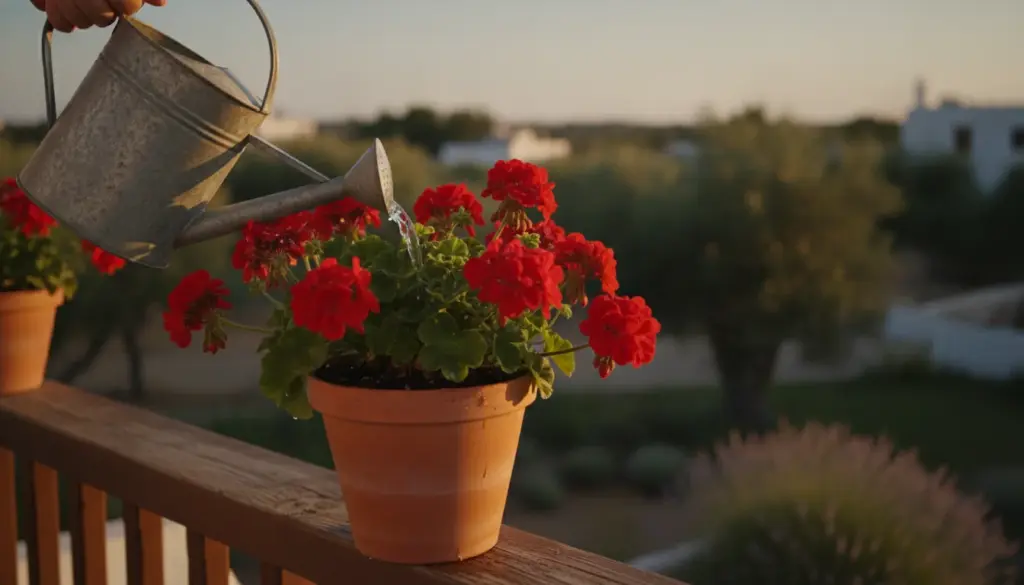
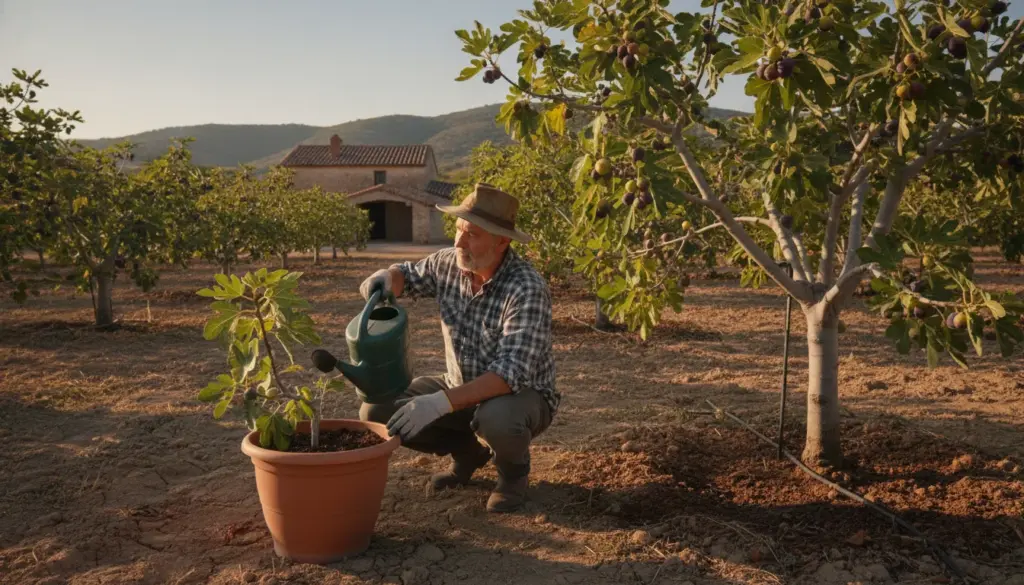
Caring for a container-grown fig demands a certain level of tact, especially when temperatures soar. A seasoned fig expert points out that these plants require substantial, consistent hydration during intense heatwaves and the crucial fruit-ripening phase. However, as soon as the weather cools down slightly, you must significantly scale back the moisture.
This is exactly where the clever ten-percent surplus technique comes into play. If you pour one liter of water into the pot, precisely 100 milliliters should trickle out of the bottom drainage holes. This strategy ensures the root ball is thoroughly soaked while simultaneously flushing out accumulated salts, such as sodium and sulfate compounds. Morning is the optimal time for this routine, though setting up a slow drip irrigation system works wonders as an alternative.
During the transitional seasons of spring and autumn, the plant’s moisture requirements drop noticeably. Throughout chilly spells, keep hydration moderate and absolutely never let lingering puddles sit in the drainage tray. When overwintering deciduous plants in an unheated greenhouse, the soil should be kept on the drier side—giving them a drink roughly every three to five weeks is plenty.
Golden Rules for Hydrating Figs
- Alkaline moisture is key: These fruit bearers strongly prefer chalky, calcium-rich hydration, making standard tap water an excellent choice.
- Vigilant summer checks: Inspect your greenery weekly throughout the hottest months. If you spot drooping foliage, grab the watering can immediately!
- Banish soggy roots: Always empty overflowing saucers and ensure your garden beds feature top-notch drainage to prevent stagnant moisture.
Garden-Planted Fig Trees: Why Less is Ultimately More
Once your plant is permanently rooted in the garden soil, the entire care strategy shifts. During parched summer stretches, the secret to success is infrequent but deep interval hydration. For the first two years after planting, you actually want to intentionally expose the tree to extended dry spells. This clever trick forces the roots to dive deep into the earth searching for moisture, ultimately creating a much more resilient plant.
If your garden features sandy earth, aim to water deeply once or twice a week. For heavier, loamy grounds, extending that gap to every one or two weeks is ideal. Should Mother Nature deliver a heavy downpour exceeding 15 millimeters per square meter, you can skip your watering duties entirely.
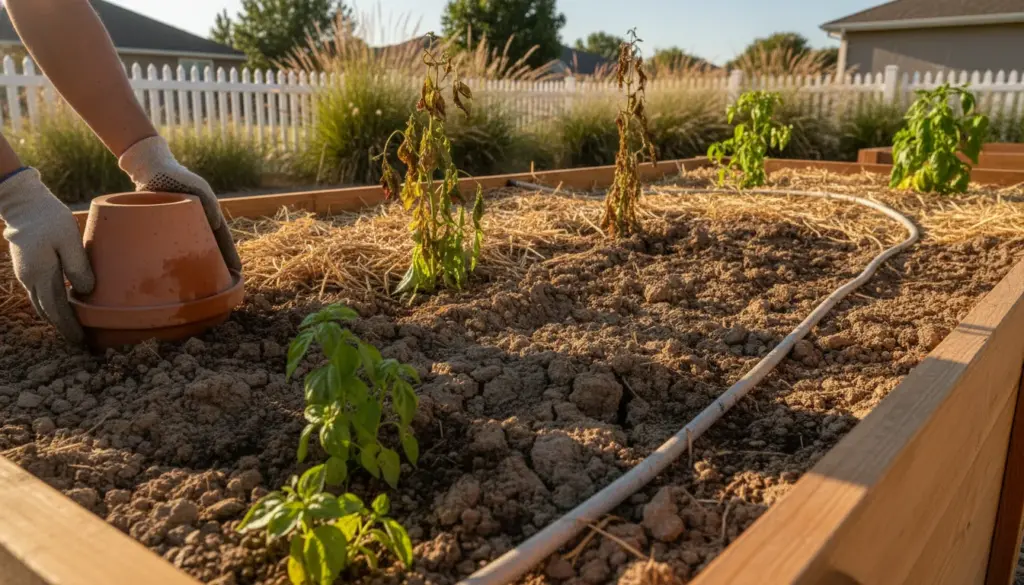
Proper drainage is absolutely non-negotiable. Incorporating gravel or coarse pebbles into the soil prevents dangerous waterlogging, which is easily identifiable if puddles linger long after a rainstorm. In densely compacted clay or loamy soils, stagnant moisture suffocates the roots, depriving them of air and eventually killing the plant.
Quick Reference: Watering Your Fig Tree
Young Trees (Years 1-2):
- In Pots: Deliver generous, regular hydration during heatwaves and fruit development.
- In the Ground: Supply moisture once or twice weekly in sandy soils, or every one to two weeks in heavier loamy earth during summer.
Mature Trees:
- In Pots: Continue with consistent, heavy watering when temperatures peak and fruits mature.
- In the Ground: Water infrequently but deeply. Focus on extended dry spells and the early stages of fruit growth.
Winter Care (During extended dry spells):
- In Pots: Test the soil with your finger and water roughly every three weeks.
- In the Ground: Provide a generous soak on milder days to prevent frost dehydration.
Spring and Autumn:
- In Pots: Keep hydration moderate and ensure drainage saucers remain completely dry.
Crucial Hydration During Heatwaves and Fruit Ripening
Whether your green treasure is thriving in a patio container or flourishing in a garden bed, its thirst will skyrocket during two specific periods: sweltering summer heatwaves and the moment those gorgeous fruits start developing. During these critical windows, the plant burns through immense amounts of energy and liquid to produce those large, mouth-watering figs.
You must adapt your routine accordingly during these phases. Be generous with the water supply to support this rapid growth, but always keep a watchful eye out to ensure no stagnant puddles form around the sensitive root system.