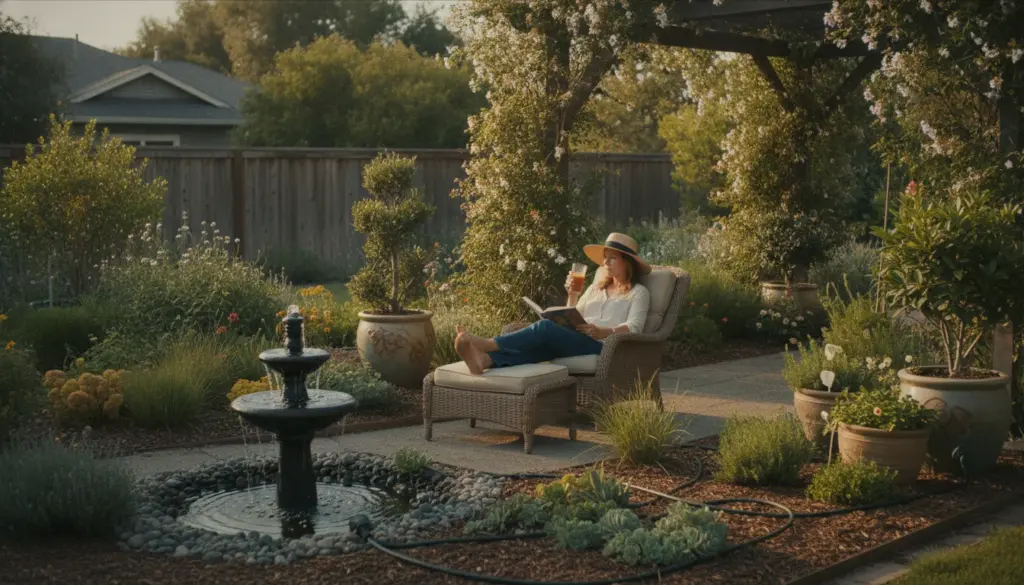
Would you rather spend your sunny afternoons relaxing in a lounge chair instead of sweating over a rake? If so, this ultimate guide to establishing a low-maintenance backyard oasis is tailored specifically for you.
While having your own outdoor space should ideally be a source of pure joy, it frequently transforms into a never-ending list of chores. Constantly mowing, weeding, and watering can easily drain the relaxation right out of the experience. However, it genuinely doesn’t have to be this way. By implementing intelligent planting strategies and a few clever horticultural shortcuts, you can effortlessly transform your property into a self-sustaining haven of tranquility.
20 Practical Rules for the Low-Effort Gardener
To be completely transparent, setting up a self-sufficient landscape does require a bit of initial effort upfront. Once the foundational work is done, however, you can essentially let nature do the heavy lifting. Here is how you can achieve that sought-after minimal-effort yard.
Mastering Smart Plant Selection
- Assess your microclimate: Always select varieties that naturally thrive in your specific soil, sunlight, and regional climate. Placing a sun-loving rose in a shaded corner will only result in endless troubleshooting, while drought-tolerant species completely eliminate the need for constant watering.
- Prioritize perennials: The absolute best friends of an easygoing gardener are perennials. Once established in the ground, these reliable beauties return year after year, naturally expanding and looking more lush over time.
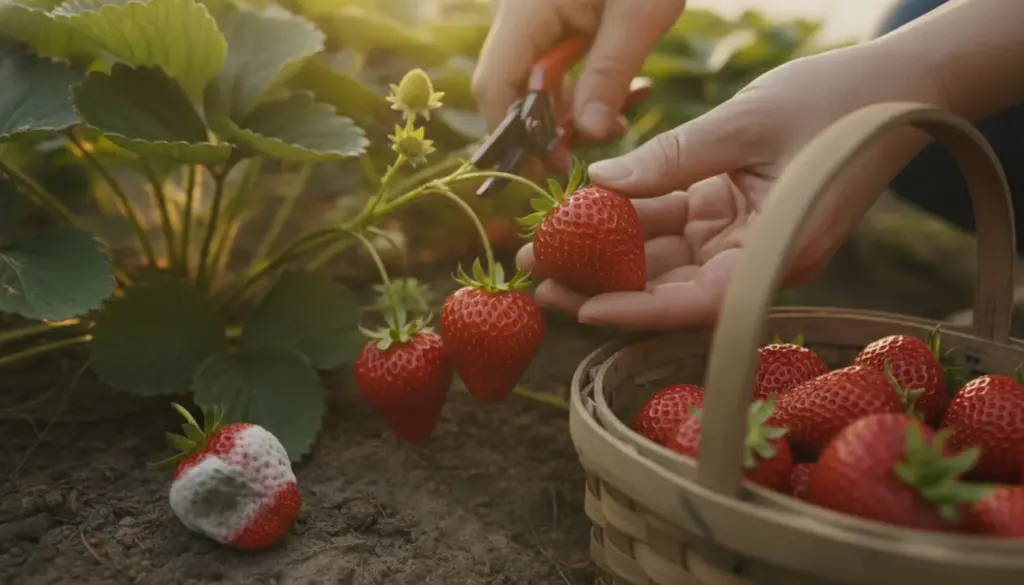
- Invest in ground covers: Dense carpets of foliage, such as periwinkle, wild strawberries, or cranesbill, act as a natural barrier against intrusive weeds. This simple tactic practically eliminates the need to spend hours weeding on your hands and knees.
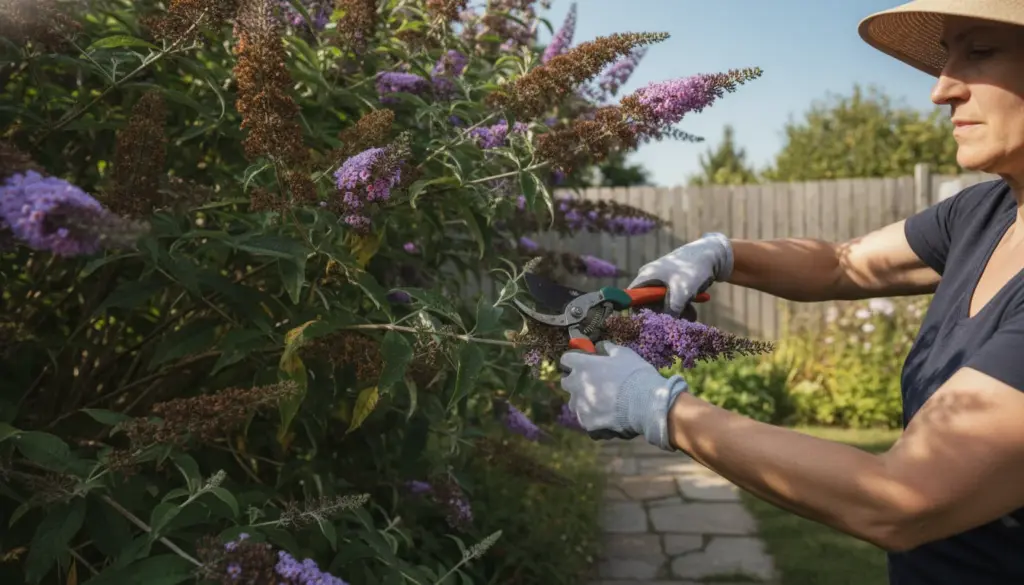
- Pick slow-growing woody plants: Opt for compact shrubs and trees that naturally maintain their shape, such as Japanese maples, globe locusts, or holly. This strategic choice saves you from the exhausting task of regular pruning.
- Go native: Indigenous flora is inherently adapted to your local ecosystem. These resilient species require far less pampering and are significantly more resistant to common diseases.
- Plant perennial edibles: Why replant vegetables every spring when you can harvest for years from a single planting? Edibles like Jerusalem artichokes, rhubarb, tree onions, winter purslane, and garlic chives demand almost zero attention while reliably producing food annually.
- Swap grass for a meadow: Cultivating a stunning wildflower meadow provides a vibrant sanctuary for butterflies and bees, while only requiring a quick mow once or twice a year.
- Choose alternative boundaries: Instead of planting high-maintenance formal hedges that demand constant shearing, consider cultivating a wild fruit hedge. An even simpler solution is installing a basic fence adorned with self-climbing vines like ivy.
Streamlined and Relaxed Yard Maintenance
- Apply mulch generously: Spreading a thick layer of lawn clippings, fallen leaves, or bark mulch across your beds locks in vital moisture and stops weed seeds from germinating.
- Build raised beds: Elevating your growing space is incredibly gentle on your back. Furthermore, the soil warms up much faster in the spring, and hungry slugs have a considerably harder time reaching your precious crops.
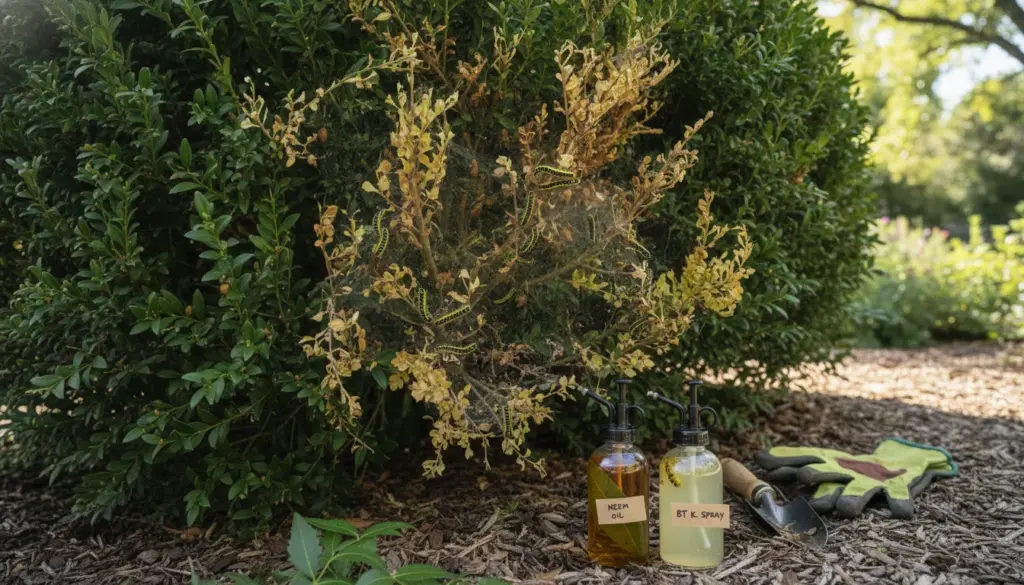
- Encourage natural predators: Let nature handle pest control by welcoming beneficial creatures into your space. Adding birdbaths, deadwood piles, and insect hotels will quickly attract hedgehogs, ladybugs, and birds to do the dirty work for you.
- Create a deadwood boundary: Instead of hauling your pruned branches to a disposal facility, simply stack them loosely to form a natural barrier. This ecologically sound practice instantly provides a valuable habitat for local wildlife.
- Embrace passive composting: Skip the back-breaking labor of turning your compost pile. If you have enough space, just start an elongated compost heap where you continuously toss new organic matter on one side, while effortlessly harvesting finished humus from the other end.
- Plant in bold clusters: Rather than dotting single flowers around, always plant perennials in generous groupings of three, five, or more. The foliage merges together rapidly to suppress weeds, while simultaneously delivering a far more striking visual impact.
- Automate your hydration: Installing a simple drip irrigation system linked to a timer or a smartphone app ensures your greenery gets water precisely when needed, without wasting a single drop.
- Upgrade to cordless tools: Modern battery-operated gardening equipment is incredibly quiet, instantly ready to use, and completely eliminates the frustration of dragging heavy extension cords around the yard.
- Design organic pathways: Skip the expensive, labor-intensive paved walkways. Stepping stones set into the grass or simple paths made of bark mulch are far more budget-friendly and require very little upkeep.
- Add a miniature water feature: Sink a basic mortar tub into the earth to create a tiny, self-sustaining pond. It requires absolutely no filters or pumps, yet it works wonders for attracting fascinating wildlife like newts and dragonflies.
- Eat your weeds: Many common garden intruders, including stinging nettles and goutweed, are actually highly nutritious and completely edible. Try turning them into a delicious homemade pesto instead of fighting them!
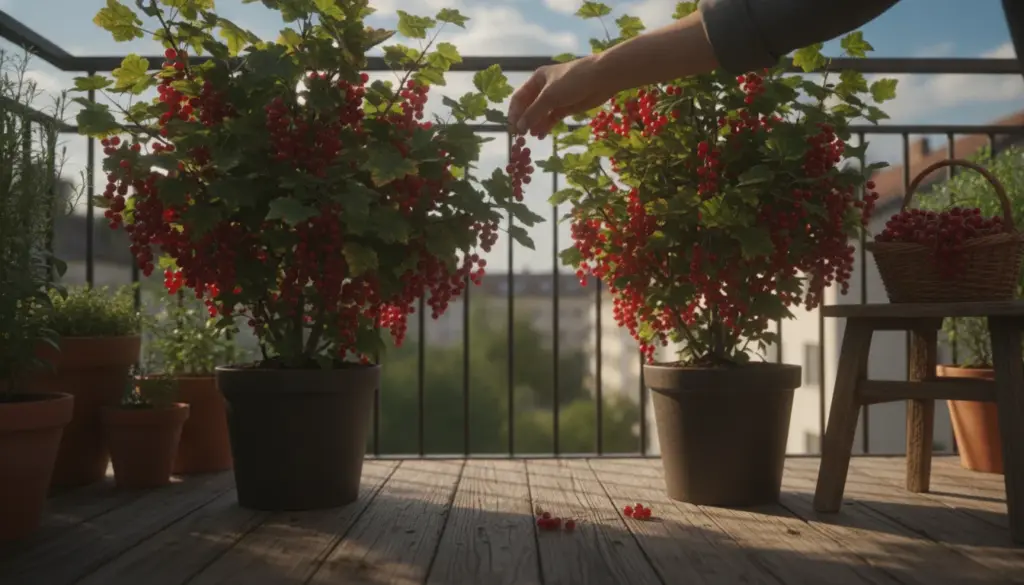
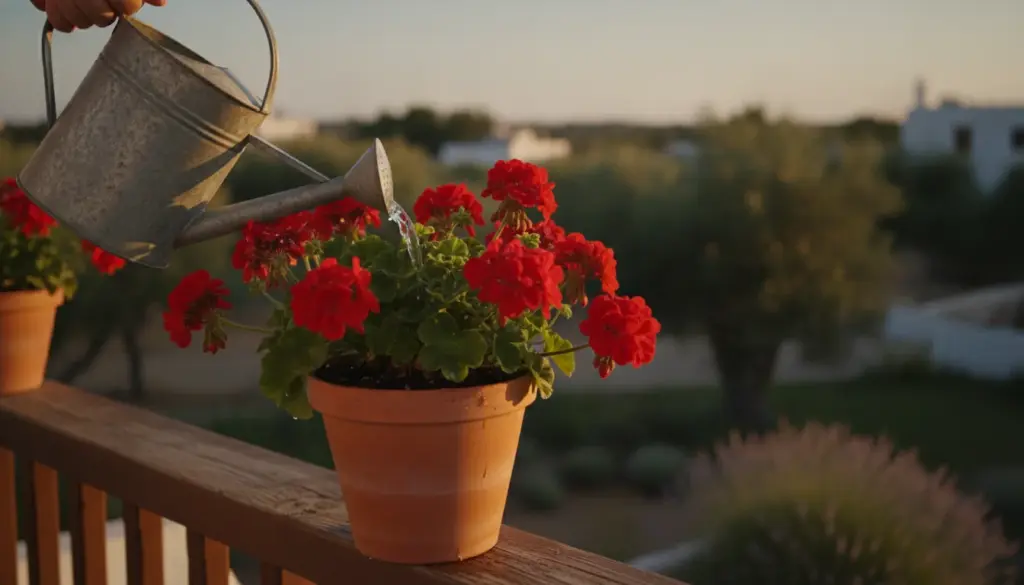
- Minimize container gardening: Every single potted plant you own is essentially a needy dependent that demands frequent fertilization and daily watering. Keeping your container collection small is a non-negotiable rule for saving time.
Bonus Secret: The Ultimate Vacation Watering Hack
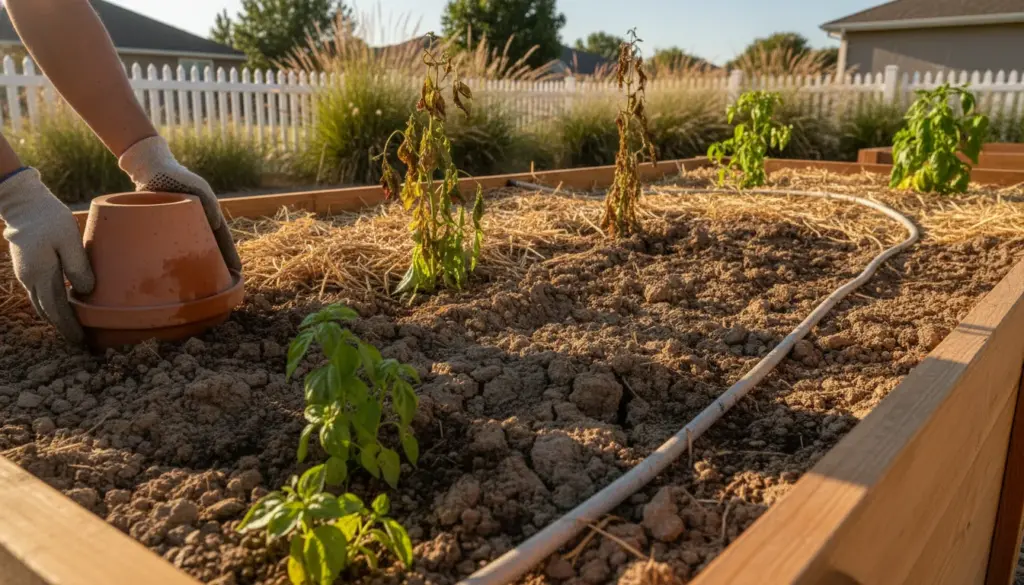
Imagine being able to leave for a two-week summer getaway without having to beg your neighbors to come over and water your plants. This is entirely possible using a brilliantly simple, ancient horticultural technique: utilizing unglazed terracotta pots.
Traditionally known as an olla, this porous clay vessel is buried right up to its neck directly in your flowerbed. All you have to do is fill the exposed opening with water. Because the terracotta is naturally permeable, the moisture slowly seeps out directly into the root zones of the surrounding plants exactly when the soil begins to dry out.
This method is exceptionally water-efficient since it prevents surface evaporation entirely. More importantly, it independently sustains your greenery for days on end. By creating these small, self-regulating hydration stations, you can truly enjoy peace of mind—whether you are traveling across the globe or just lounging in your backyard hammock.