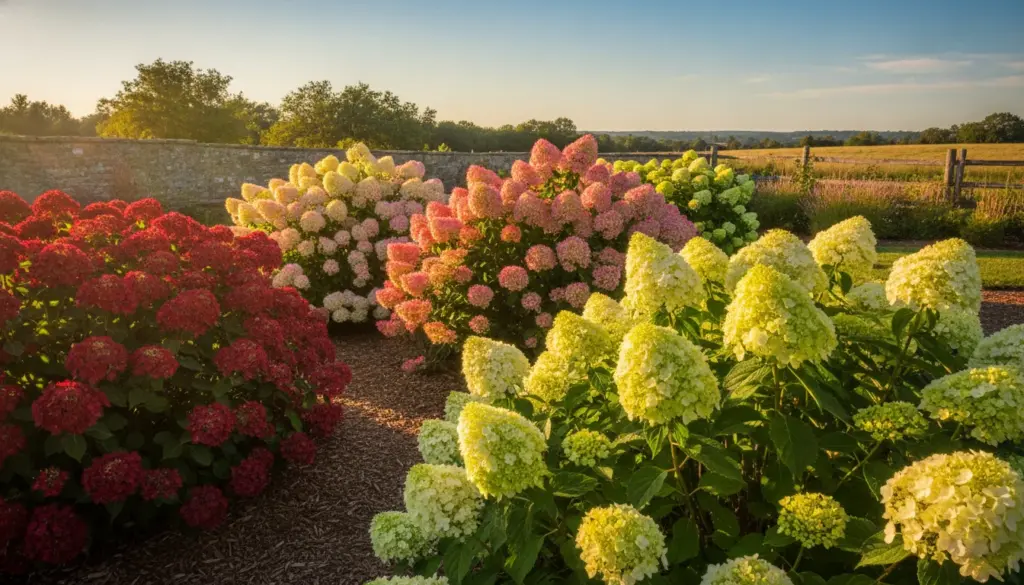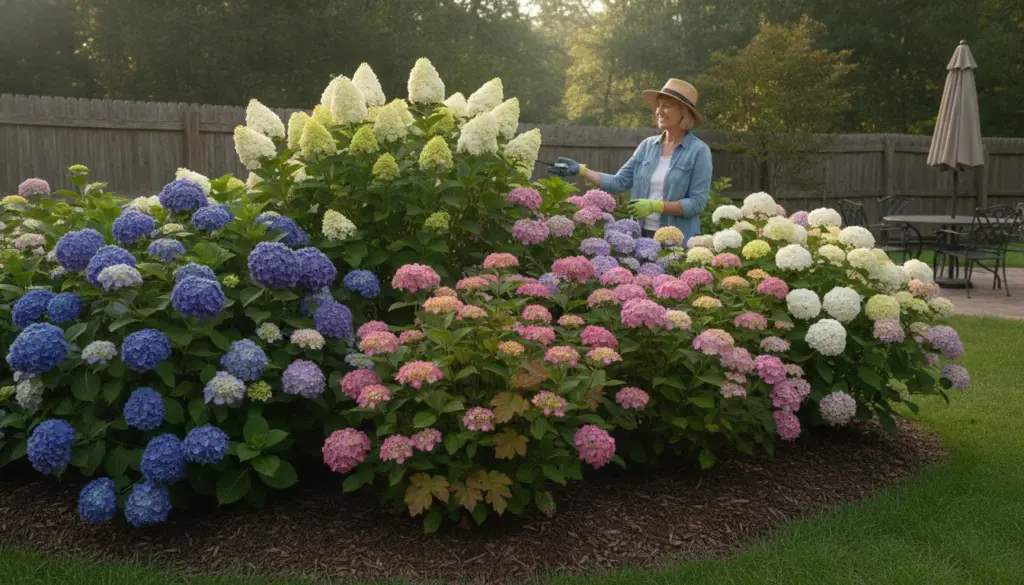
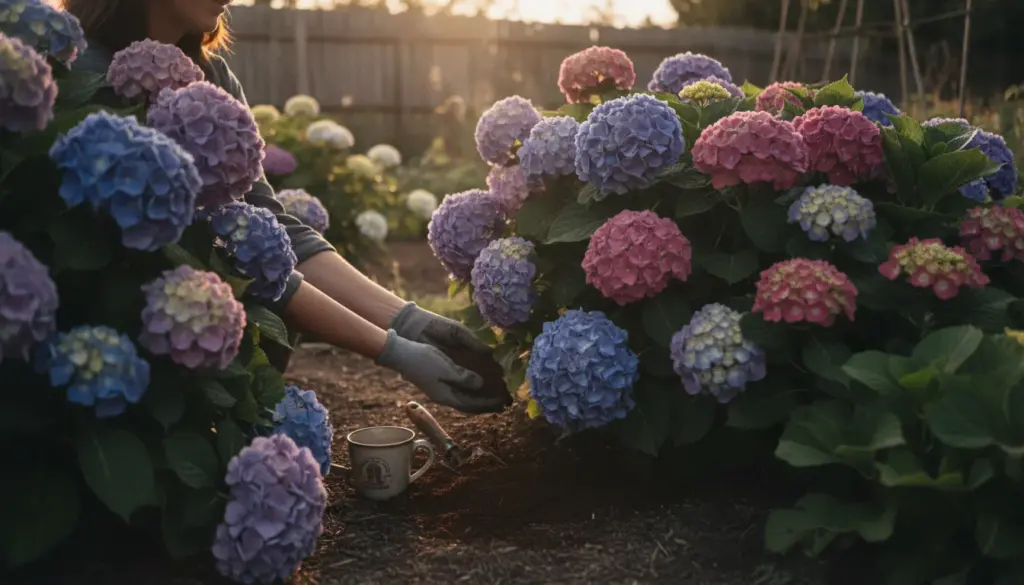
To encourage spectacular floral displays and robust growth, your Hydrangea shrubs require a steady supply of vital nutrients. While synthetic options are readily available, they often carry the risk of overfeeding and can eventually degrade the quality of your garden soil over time. Savvy gardeners frequently turn to sustainable, organic alternatives to nourish their plants, with ordinary kitchen waste being a surprisingly effective choice.
Using Coffee Grounds to Nourish Hydrangeas
Repurposing your morning brew’s leftovers is an excellent, environmentally friendly way to feed your garden. Instead of tossing this valuable byproduct into the compost bin, you can utilize its exceptionally high nitrogen content to boost plant vitality. Furthermore, this dark powder possesses natural acidifying properties, gently lowering the soil’s pH to create the slightly acidic environment these specific flowering shrubs crave.
Proper preparation is crucial before applying this kitchen leftover to your flower beds. Always dry the coffee grounds thoroughly beforehand, perhaps by spreading them out in a simple kitchen sieve, to completely prevent any fungal growth or mold issues. It is usually more efficient to accumulate a decent batch over a few days rather than making daily trips outside. Once ready, simply use a hand rake to gently incorporate the dried grounds into the top layer of the earth around the base of the shrub.
This natural soil enhancer isn’t exclusively for your prized ornamental shrubs. Acid-loving species such as rhododendrons, tomatoes, and blueberry bushes also respond incredibly well to this treatment. However, it is important to remember that not every botanical specimen thrives in a lower pH environment, so always double-check the specific soil preferences of your other garden residents before applying.
Alternative Natural Fertilizers and Home Remedies
Beyond your daily caffeine leftovers, several other organic materials can encourage those heavy, vibrant flower heads to emerge. Here are a few proven alternatives:
- Stinging nettle tea: This potent liquid feed delivers a massive dose of essential minerals. To brew a batch, finely chop roughly one kilogram of fresh nettles and submerge them in about ten liters of water. Cover the container and let the mixture ferment for ten to fourteen days, ensuring you stir the concoction daily. The nutrient-dense liquid is fully matured and ready to apply once the bubbling process naturally stops.
- Horn shavings and meal: Derived from natural sources, these organic soil amendments act as a fantastic slow-release nitrogen supply. If you are looking for a slightly quicker nutrient uptake, opt for the finely milled horn meal instead of the larger shavings.
- Cattle manure pellets: Commercially available and completely odorless, these compressed organic pellets just need to be lightly mixed into the dirt directly surrounding the plant’s root zone.
The Optimal Feeding Schedule for Hydrangeas
Timing is everything when it comes to nutrient application. The ideal window to feed your blooming shrubs falls strictly between March and July. It is highly recommended to cease all fertilization after mid-summer.
Pushing new, soft growth late in the season prevents the stems from properly hardening off, leaving the delicate wood highly susceptible to severe winter frost damage. To maintain a tidy appearance and redirect the plant’s energy, you can safely snip away the spent flower heads throughout the summer months. Removing these faded blooms clears the path for fresh, healthy growth to emerge in the following cycles.