A lush sea of roses, crisp homegrown vegetables, and vibrant berry bushes represent the ultimate dream for most garden enthusiasts. Then comes the sudden shock: tiny green, black, or yellow critters are swarming all over your fresh, tender shoots. Aphids. These notorious pests drain sugary sap, leaving your plants severely weakened and sometimes even transmitting viral diseases. But before you reach for harsh chemical sprays, take a closer look at the incredible defense mechanisms nature already provides. Here is a comprehensive guide to the most effective natural predators of aphids and exactly how you can attract these beneficial allies to your yard.
Combating Aphids: Why Exercising Patience is Your Best First Step
Spring and summer often bring massive aphid populations, but this initial surge shouldn’t cause immediate panic. Horticultural experts actually recommend holding back and waiting. Wherever pest populations explode, their natural predators usually aren’t far behind.
In many cases, the infestation resolves itself within about two weeks once nature’s clean-up crew arrives on the scene. Spraying pesticides too quickly often does far more harm than good, as these chemicals will simultaneously wipe out the very insect populations trying to help you.
The Top 3 Ultimate Aphid Hunters
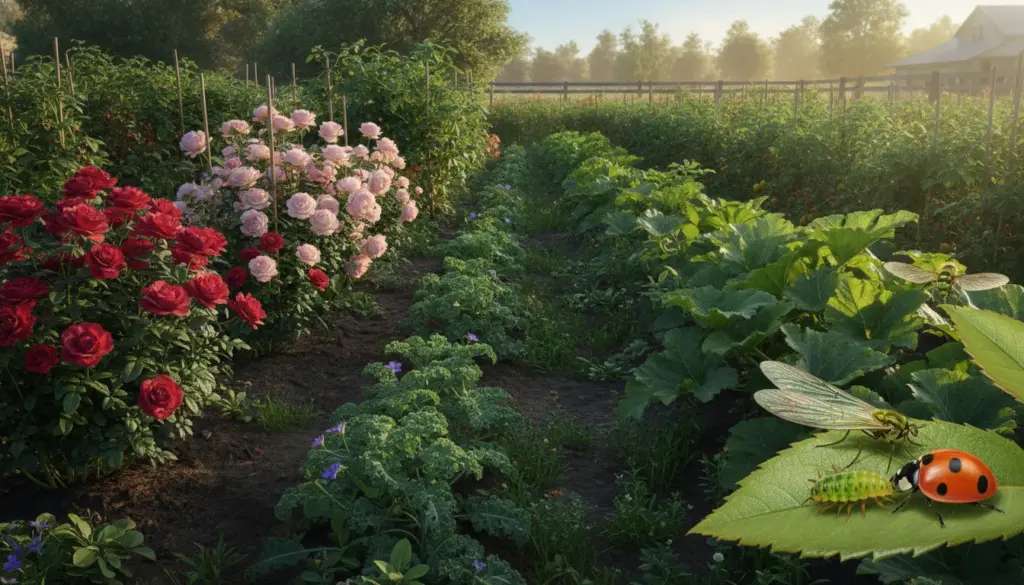
A thriving garden functions as a balanced ecosystem where every pest faces a natural opponent. When it comes to tackling aphids, three specific beneficial insects stand out as absolute superheroes that you should actively encourage.
- Ladybugs: During its larval stage, a single ladybug can devour up to 600 aphids before pupating. Once fully grown, an adult beetle will consume an astonishing 5,000 aphids over its roughly one-year lifespan.
- Lacewings: While delicate, greenish adult lacewings feed primarily on pollen and nectar, their offspring are a different story. A female lays around 350 eggs three times a year. The resulting larvae, aptly nicknamed “aphid lions,” are relentless eating machines capable of destroying 500 aphids each. They use strong, pincer-like jaws to grab their prey and suck them dry in mere seconds.
- Hoverflies: At first glance, hoverfly larvae look quite unremarkable, resembling tiny slugs. However, they rank among the absolute best aphid eradicators around. Just one of these hungry larvae can slurp down up to 100 pests in a single day.
The Silent Killers: Why Aphid Mummies Are Actually a Great Sign
Have you ever spotted tiny, swollen, parchment-like aphid shells glistening with a golden or metallic tint on your plant leaves? Consider yourself incredibly lucky! These are known as “aphid mummies.”
They are the handiwork of microscopic parasitic wasps that inject their eggs directly into the living pests. The developing wasp larva consumes the host from the inside out and then pupates within the empty husk. You must leave these mummies on your plants, as the next generation of highly effective pest controllers is about to hatch from them.
The Ultimate Predator Overview: Who Eats Aphids and How to Attract Them
Beyond our top three heroes, an entire army of garden helpers is waiting to assist you. Here is exactly how you can invite these various predators into your green space:
- Ladybugs: Provide leaf piles, dead wood, hedges, and specialized insect houses. Plant hibiscus, marigold, cornflower, mint, silverweed, and fennel. You can also order eggs online to attach to your foliage.
- Lacewings (Aphid Lions): Hang up red lacewing boxes or upside-down clay pots stuffed with wood wool. Maintain natural hedges and plant catnip. Larvae are readily available at specialized garden retailers.
- Hoverflies: Cultivate chamomile, cornflower, phacelia, evening primrose, marguerites, and tansy. They also adore yellow blooms and umbellifers like dill and wild carrot.
- Gall Midges: Maintain damp, undisturbed soil patches and thick leaf litter. Plant umbellifers. You can purchase pupae for greenhouse use.
- Parasitic Wasps: Grow nectar-rich flowers and umbellifers like yellow yarrow or wild angelica. Leave mossy patches and dead wood intact. Specific species can be ordered on cardboard cards for targeted release.
- Digger Wasps: These hunters love wild carrot and hogweed blossoms. They nest in pithy stems, such as those from elderberry or blackberry bushes.
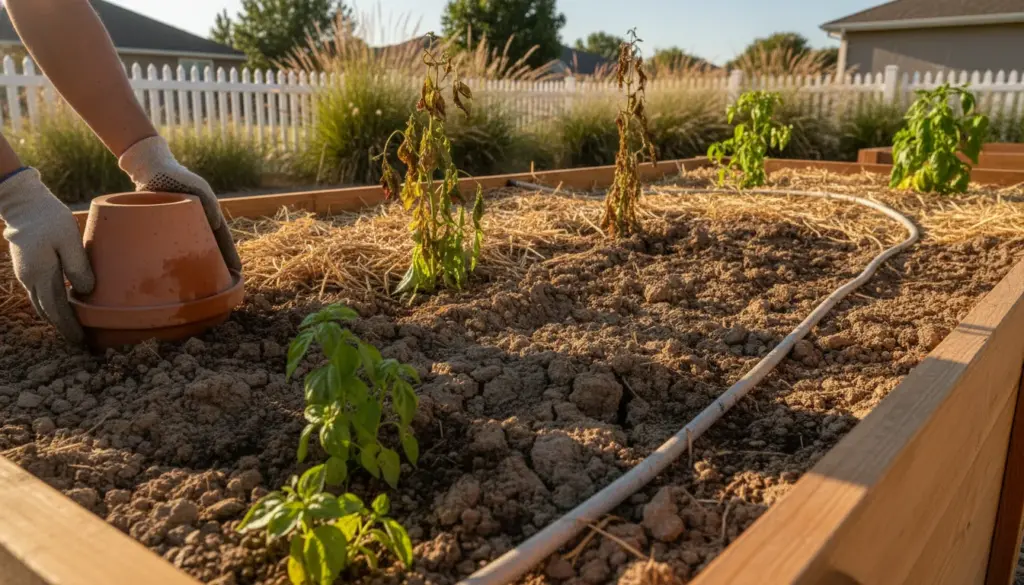
- Earwigs: Suspend inverted flower pots packed with straw from your tree branches. They also hide in leaf piles and dry stone wall crevices.
- Predatory Bugs: Create a diverse landscape full of shrubs, trees, and flowering hedges. Keep piles of twigs and leaves, or hang specific bug boxes.
- Ground Beetles: Provide dense ground cover, clover, stone heaps, and damp, untidy garden corners.
- Rove Beetles: Maintain a healthy compost heap and preserve damp, shady spots under ferns and moss.
- Spiders: Add structural diversity like overgrown hedges, stone walls, tall perennials, and rotting wood.
- Birds: Hang nesting boxes, provide clean birdbaths, and plant dense, berry-producing native shrubs.
Releasing purchased beneficial insects is primarily effective inside a closed greenhouse. In an enclosed environment, the newly hatched predators immediately find their food source without being blown away by the wind.
Expert Insight: Understanding Different Hunting Styles
Not all helpful garden predators share the exact same diet. They generally fall into two distinct categories that complement each other perfectly in a healthy ecosystem.
The Specialists: Certain creatures, like specific gall midges and parasitic wasps, feed almost exclusively on aphids. They are highly efficient at wiping out an acute, massive infestation but will quickly move on or die off once their food source dwindles.
The Generalists: This diverse group includes ground beetles, spiders, and predatory bugs. While they certainly enjoy a meal of aphids, their broad menu also includes mites, tiny caterpillars, and other bugs. They act as a stable, permanent garden police force that maintains long-term order.
Crucial Knowledge: The Dark Side of the Predator World
Complex and sometimes problematic relationships exist even among beneficial insects. The Asian ladybug serves as a prime example. While it is an exceptionally ravenous aphid consumer, it aggressively displaces our native ladybug species.
Rather than introducing foreign insects into your yard, it makes far more ecological sense to cultivate a diverse, natural environment that supports local wildlife. If you decide to buy ladybugs, always ensure you are sourcing native varieties, such as the two-spot (Adalia bipunctata) or seven-spot (Coccinella septempunctata) ladybug.
Additional Emergency Steps for Severe Aphid Infestations
If a pest population completely spirals out of control before your natural allies can step in, these gentle, immediate actions will help restore balance:
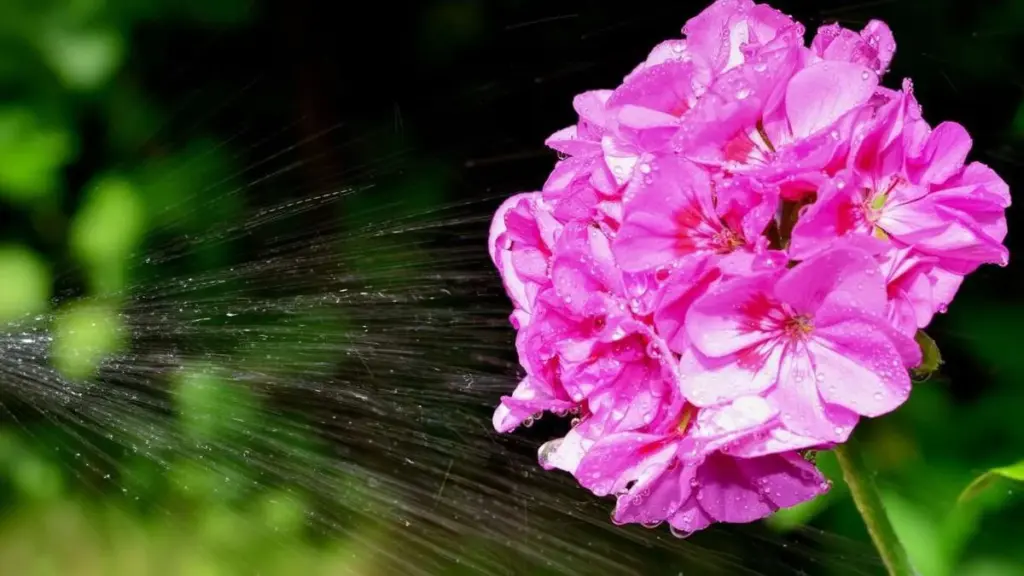
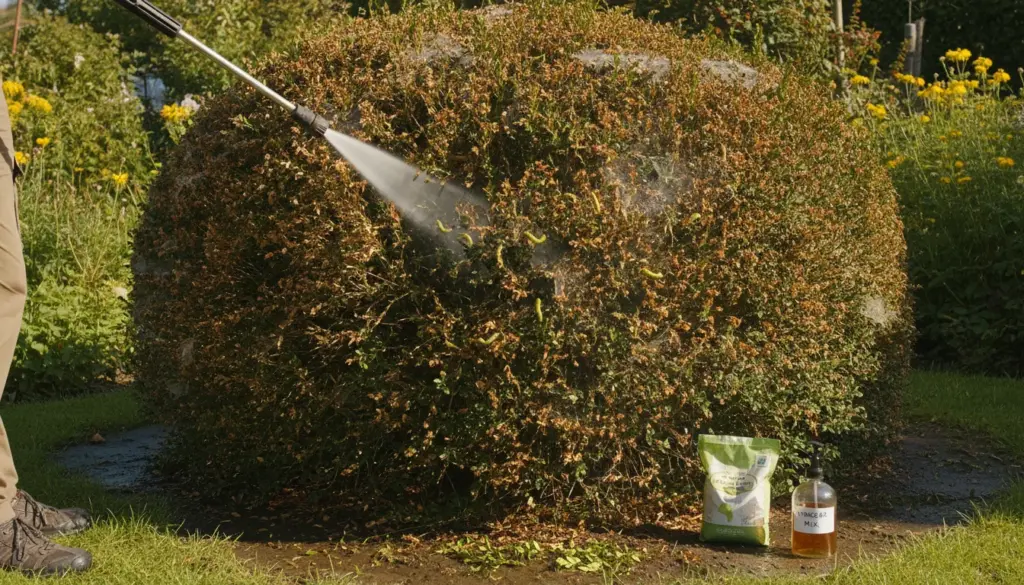
- High-Pressure Water: Blast affected leaves and stems with a strong, sharp stream from your garden hose.
- Manual Removal: For minor outbreaks, simply wipe the bugs off the stems with your fingers or crush them gently.
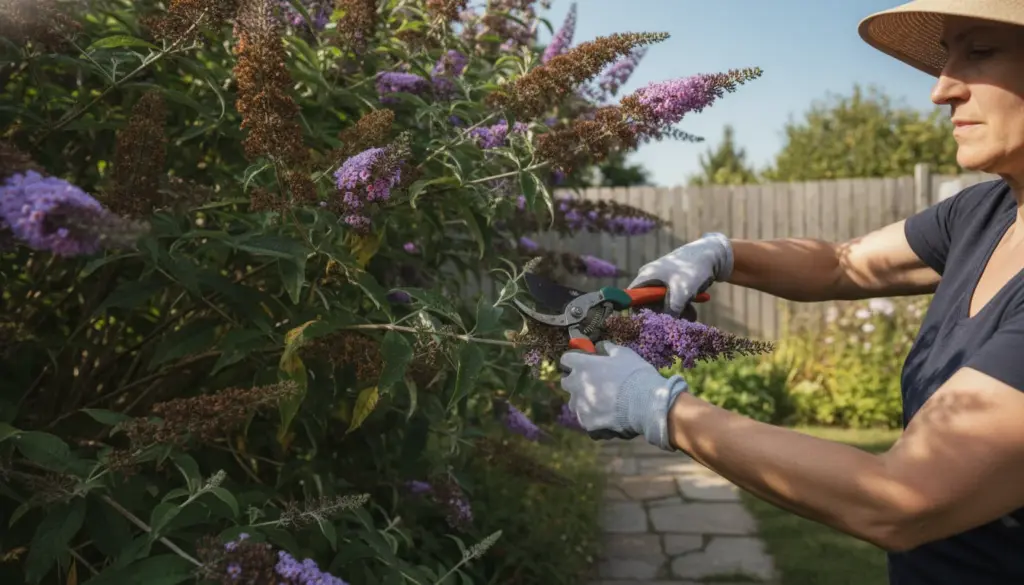
- Strategic Pruning: Snip off heavily infested shoot tips and throw them in your household trash—never place them in the compost bin.
- Potassium Soap Spray: Mix a solution of pure potassium soap (completely free of additives) with water and mist the colonies directly.
- Deter Ants: Ants actively protect and farm aphids in a symbiotic relationship. Keeping ants away from your plants will severely weaken the aphid colonies.