Determining the Actual Pest Infestation
Keeping pests out of our outdoor spaces is a top priority for most homeowners, especially when it comes to disease-carrying arachnids. We are all familiar with the standard advice for keeping these bloodsuckers at bay. Keeping the lawn neatly trimmed, planting fragrant herbs, and applying insect repellent to your skin are all well-known protective measures. However, there are a couple of highly effective gardening strategies that remain largely under the radar. Before drastically altering your landscaping, it makes sense to verify if you actually have an infestation.
Because these parasites thrive in humid environments, properties situated near forests or bodies of water are particularly vulnerable. Additionally, wandering wildlife like deer and foxes frequently drop these unwanted hitchhikers right into our yards. Rather than immediately building high fences or tearing out your beautiful ground cover plants, a simple diagnostic check is recommended. A quick assessment will reveal the true extent of the problem in your specific yard.
The White Towel Assessment
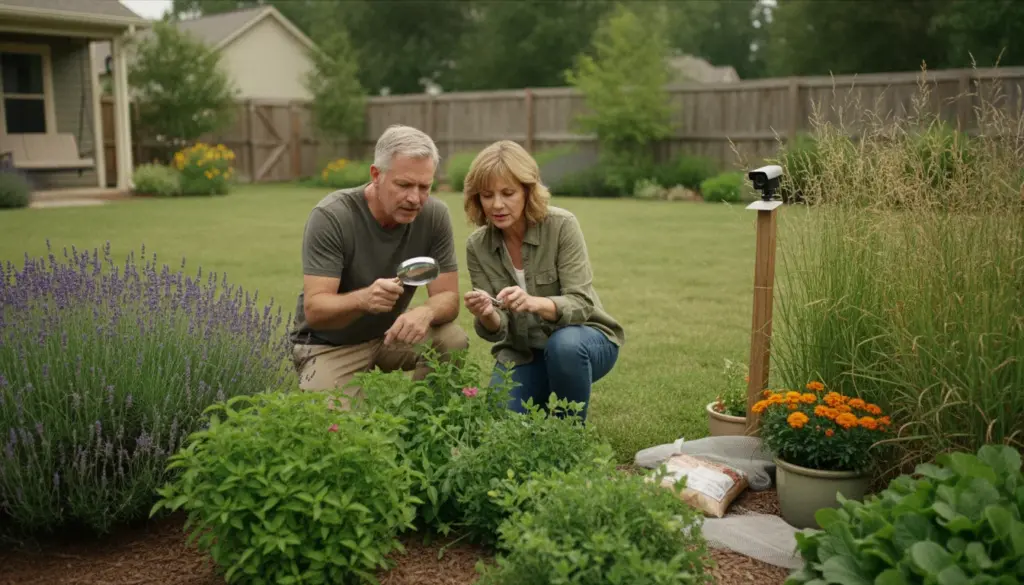
Health and gardening professionals often suggest a highly practical method for locating these tiny creatures. Secure a large, white cloth or towel to a sturdy stick, creating something that resembles a flag. Slowly drag this fabric across your grass and low-lying vegetation.
Since these parasites typically wait on plants up to a height of 1.5 meters, they will instinctively grab onto the passing material with their claws. The stark white background makes it incredibly easy to spot any dark, clinging arachnids.
Targeted Actions: Modifying Your Watering Routine and Landscaping
Finding a perfectly clean cloth means you can relax and leave your yard exactly as it is. Unnecessary landscape modifications could actually harm the natural habitats of beneficial insects. On the other hand, if you do discover pests on your flag, it is time to implement some strategic, lesser-known defenses.
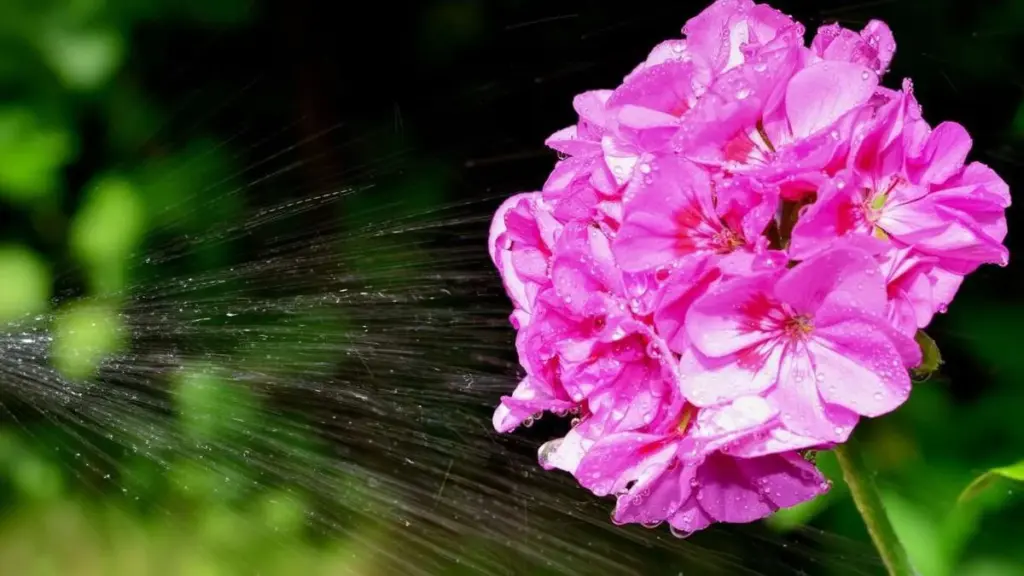
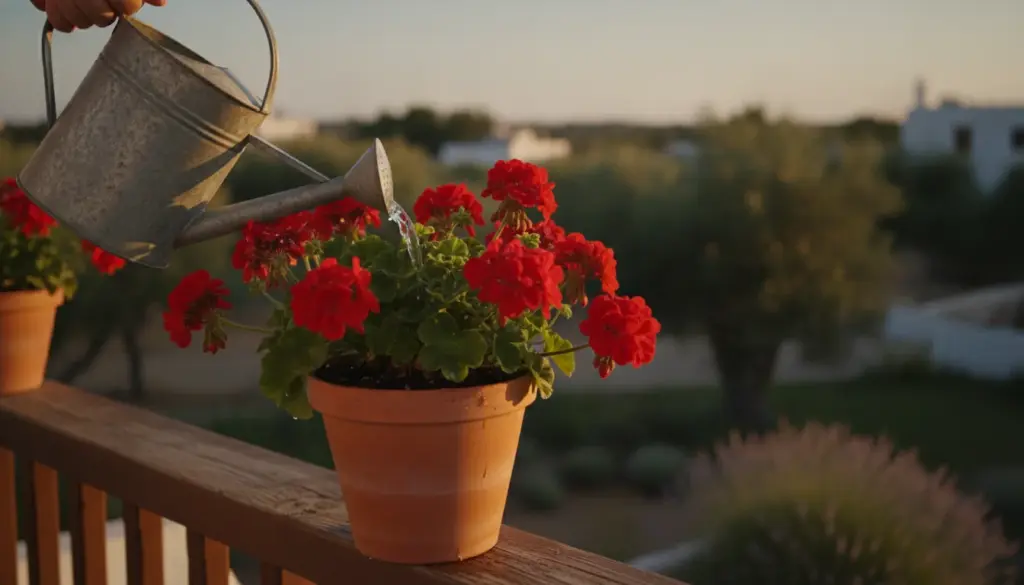
- Adjust your irrigation schedule: Since these pests require high humidity to survive, constantly wet grass creates their ideal breeding ground. Instead of lightly watering your lawn every single day, switch to a deep, penetrating soak just once a week. Summer grass actually prefers this deep watering approach anyway, and keeping the blades slightly shorter will help the morning dew evaporate much faster.
- Construct a physical perimeter: Academic research has shown that these parasites actively avoid crawling over dry, rugged surfaces like wood chips. By installing a one-meter-wide border of gravel or mulch around the perimeter of your yard, you can drastically reduce the pest population by nearly half. While commercial spaces sometimes treat these borders with chemical repellents to achieve a near-total elimination, plain dry landscaping materials are much safer and sufficiently effective for residential spaces.
To maximize the effectiveness of your new perimeter, consider planting strongly scented botanical deterrents directly into the mulch bed. Aromatic plants like lavender, rosemary, and tansy naturally disrupt the sensory organs of many pests. Finally, thinning out dense, tall shrubs allows more direct sunlight to bake the soil. A sun-drenched, well-ventilated yard is the ultimate hostile environment for these moisture-loving parasites.