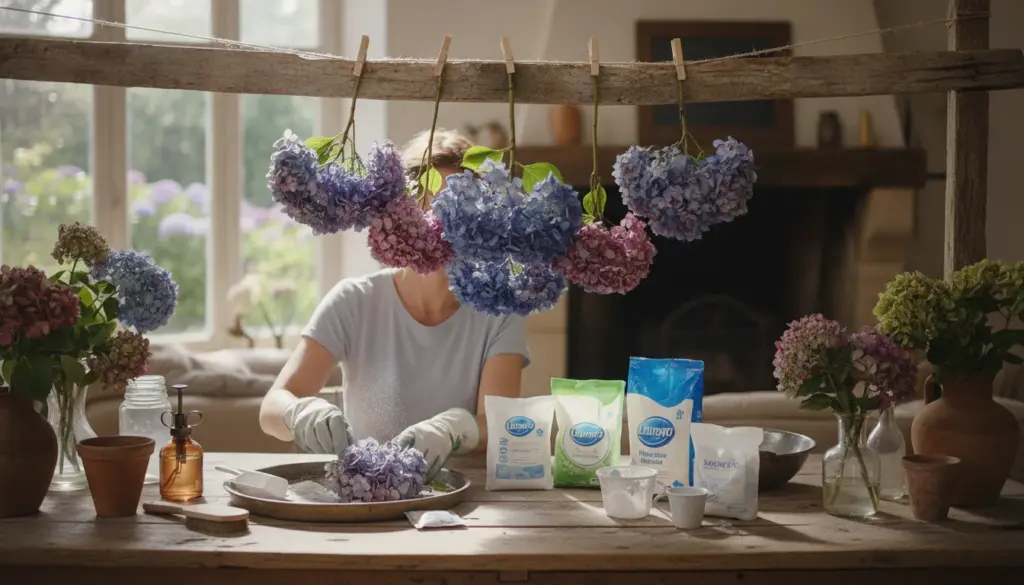
Step-by-Step Guide: Drying Hydrangeas with Laundry Powder
Want to stretch those warm summer days just a little bit further? Preserving the stunning blooms of your hydrangeas is a fantastic way to keep that seasonal charm alive indoors.
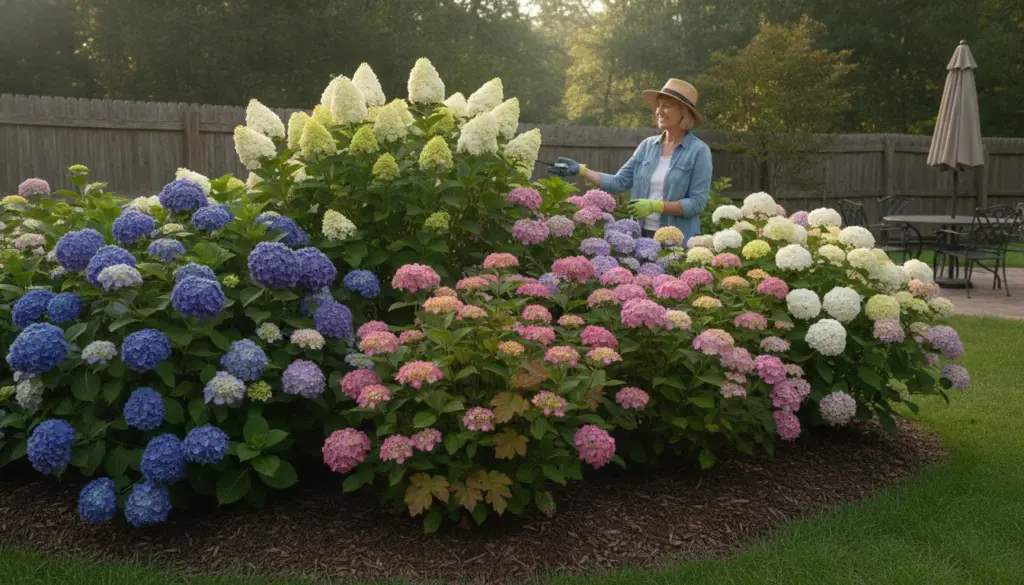
While these magnificent floral spheres look breathtaking fresh in the garden, they can make equally impressive winter decorations for wreaths, table arrangements, or a simple vase display. If you want to lock in those brilliant hues rather than settling for dull, faded petals, there is a surprisingly clever method using a common household staple: laundry detergent.
Air drying might be the traditional approach, but utilizing this everyday cleaning agent yields remarkably vivid results. The secret to success lies heavily in timing the harvest correctly.
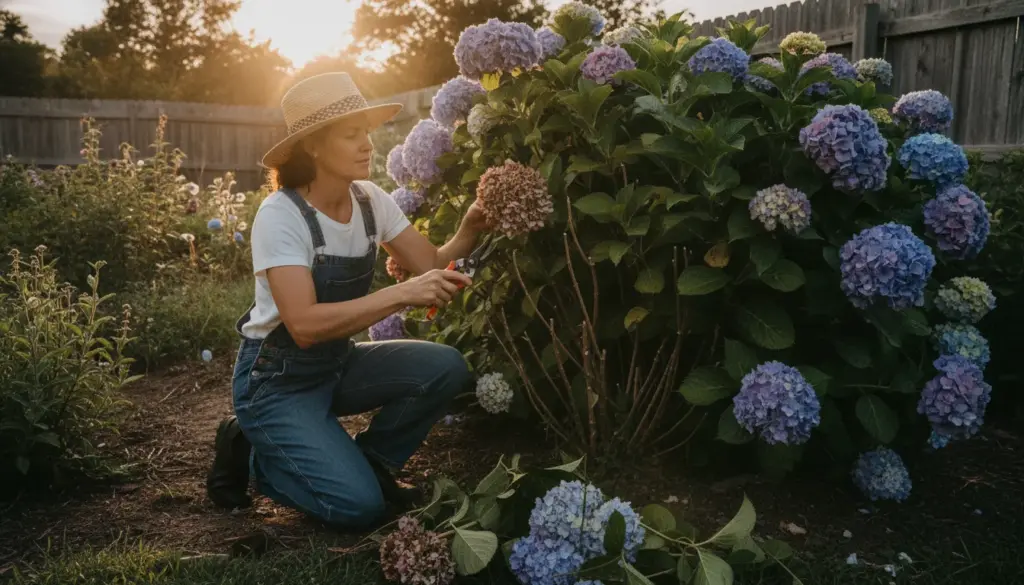
For the best outcome, cut the blooms exactly when they are at their peak. You will want to head out on a dry morning, ideally in late summer, once the individual petals feel crisp and slightly papery to the touch. Once you have gathered your cuttings, the preservation process is incredibly straightforward.
- Prepare the base: Pour a thin layer (about one centimeter) of fine-grained, non-clumping washing powder into a tall glass or an airtight container.
- Position the bloom: Carefully flip your hydrangea upside down and rest it gently on top of the detergent bed.
- Cover completely: Slowly sprinkle additional powder over the entire flower head until it is completely submerged and hidden from view.
- Seal and wait: Close the lid tightly to create an airtight environment, then leave the container in a dry spot for five to seven days.
- Reveal the results: Take the flower out and gently shake off the residue, or use a soft-bristled brush to sweep away any remaining granules.
Which Detergent Works Best: Color or Heavy-Duty?
You might be wondering if the specific type of washing powder actually matters for this botanical project. While there are no formal scientific studies comparing detergent varieties for floral preservation, experienced gardening enthusiasts strongly favor one particular type.
Standard heavy-duty detergents often contain active bleaching agents that can aggressively strip away delicate organic pigments. To be on the safe side, always opt for a color-protecting formula to ensure your blooms retain their natural, soft shades without unwanted fading.
Alternative Methods: Silica Gel, Cat Litter, and More
Detergent, particularly the unscented variety, works by slowly and gently drawing moisture out of the plant tissue, which is why the visual integrity remains largely intact. However, if you do not have the right powder on hand, there are a few other excellent desiccants you can try.
Cat litter, standard silica gel found in most craft stores, or even a liquid glycerin solution are all proven alternatives for successfully curing your garden cuttings.
To give your newly preserved treasures an even longer lifespan, lightly mist the finished blossoms with standard hairspray from a distance of roughly thirty centimeters. This simple finishing touch provides a protective seal, leaving you with a durable, eye-catching decoration that radiates summer energy long into the darker months.