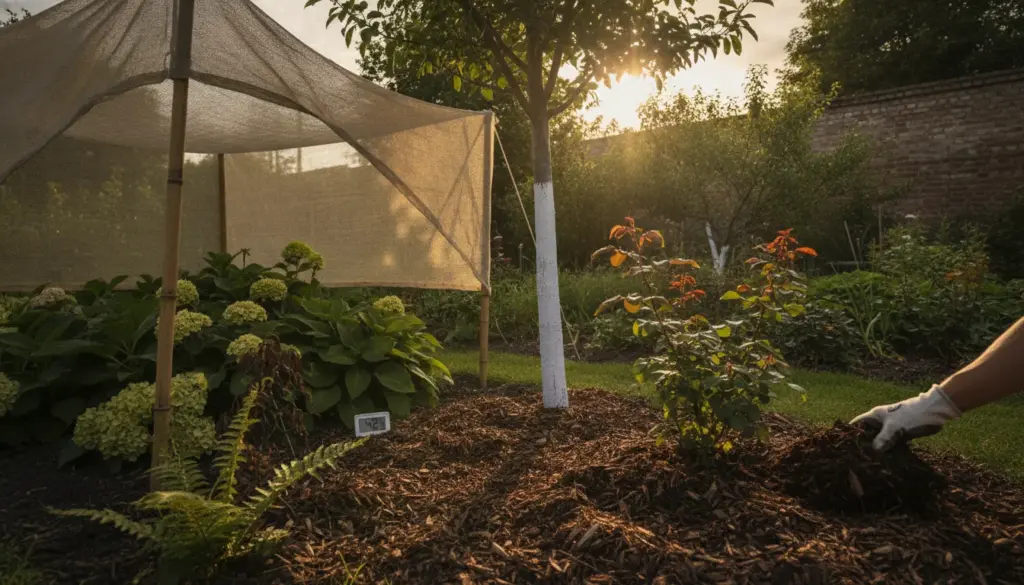
When the thermometer pushes past 30 degrees Celsius, gardens face a massive stress test. However, wilting foliage doesn’t always signal a thirsty plant. Understanding how simple techniques like strategic mulching, temporary shade, and trunk painting work can prevent severe heat stress.
Blazing sunlight and soaring temperatures can severely compromise delicate plant tissues. Foliage and darker bark sections can literally bake, reaching internal temperatures of up to 50 degrees Celsius. This botanical sunburn often strikes hardest when a period of gloomy, damp weather abruptly shifts to intense, cloudless skies. Dry spells and strong winds only compound the stress on your garden.
Spotting the Signs of Sunburn
Freshly planted vegetables, balcony flowers, and tender seedlings are especially vulnerable if they haven’t yet adapted to harsh UV rays. The symptoms of solar damage vary significantly across different species in your yard:
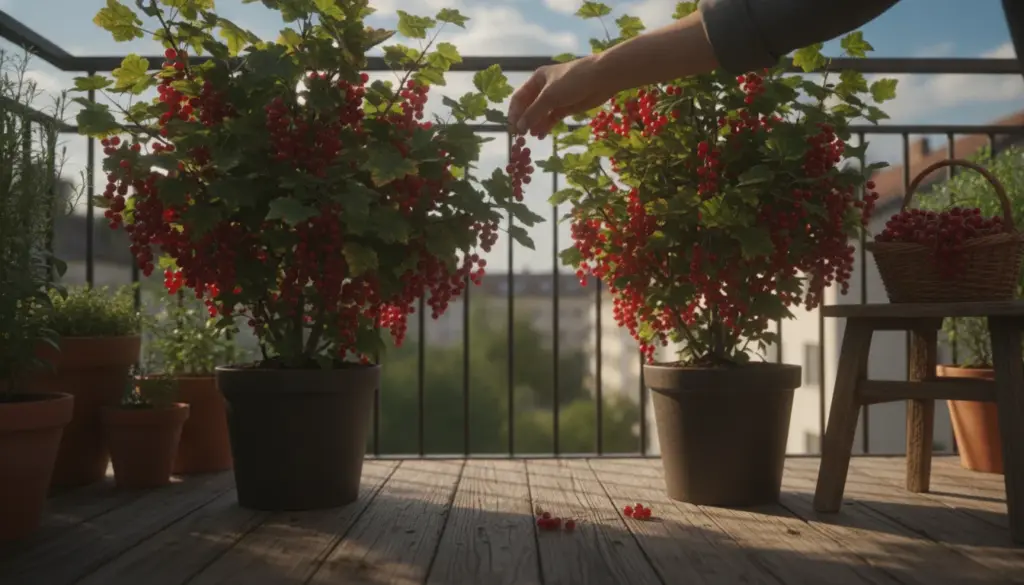
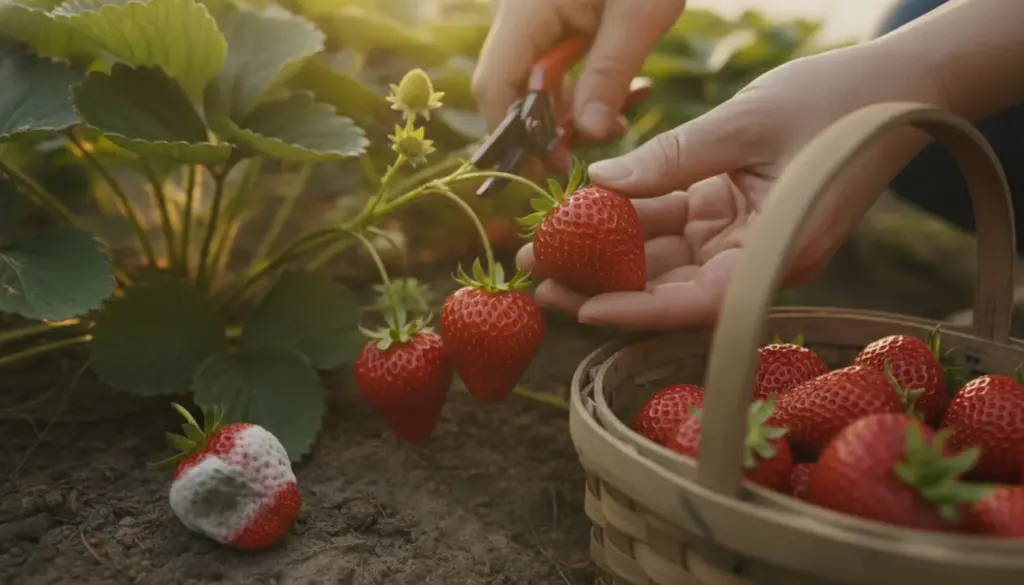
- Soft fruits: Raspberries, gooseberries, and currants often develop pale, mushy patches before dropping off the bush entirely.
- Vegetables: Heat-stressed tomatoes, bell peppers, and zucchini frequently suffer from stunted growth and blossom end rot.
- Ornamentals: Rose petals and other decorative blooms fade rapidly, with darker blossoms crisping up at an alarming rate.
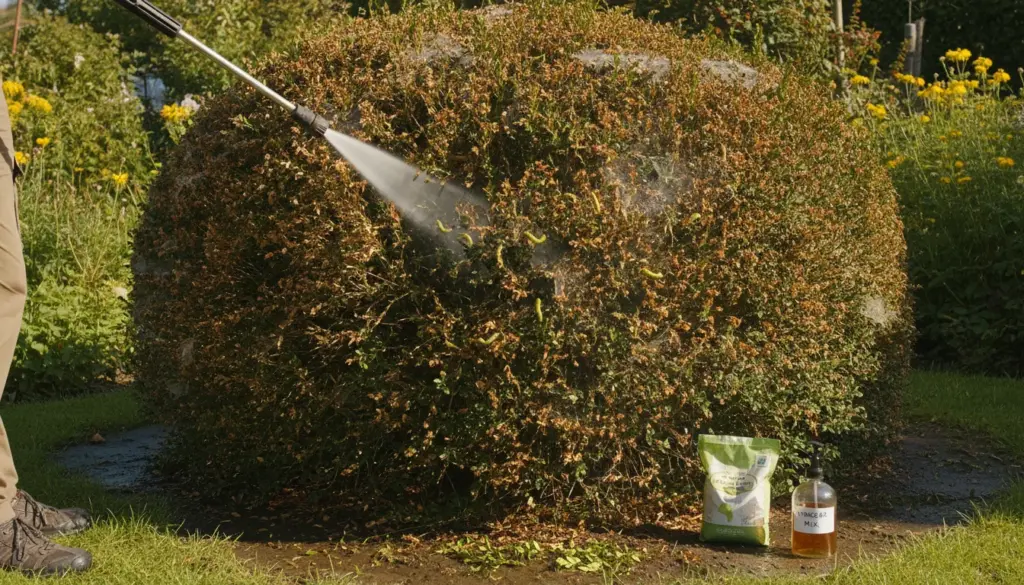
- Shrubs: Hedges trimmed during peak summer expose tender inner leaves, making them highly susceptible to severe scorching.
Effective Strategies to Prevent Heat Stress
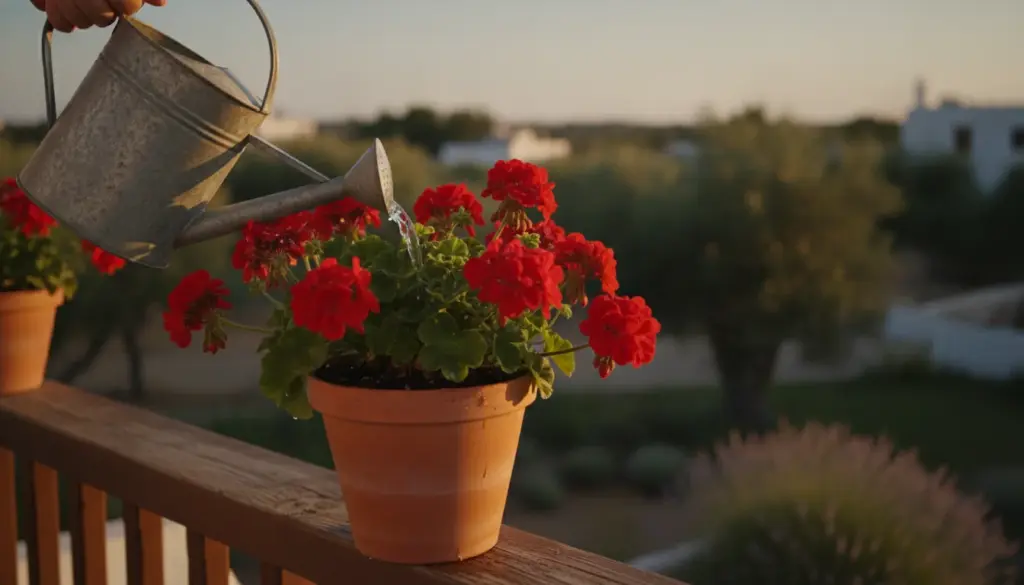
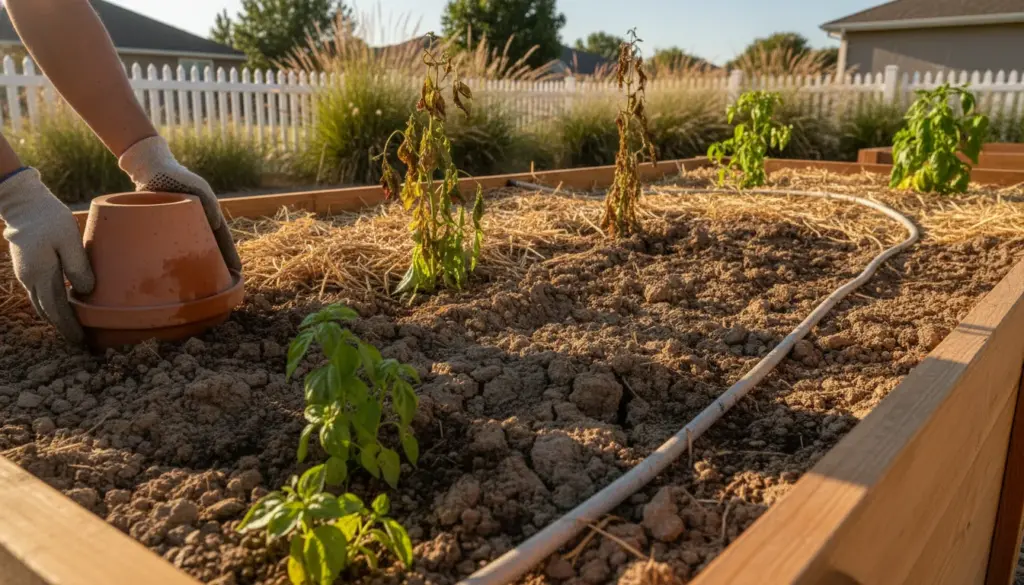
Before reaching for the watering can, remember that limp leaves are often just a natural survival mechanism. Plants routinely let their foliage droop during peak afternoon heat to minimize moisture loss through evaporation. Always test the soil moisture manually before assuming your garden needs a drink.
Applying a protective layer of mulch is another excellent defense against soil baking. Covering your vegetable patches and flower beds with grass clippings, leftover harvest debris, or nettles creates a vital barrier. This organic blanket intercepts direct sunlight, keeps the root zone cool, and locks in essential underground moisture.
Creating Shade and Cooling Surfaces
Tree trunks can be effectively shielded from intense heat buildup using a simple white coating. Slathering on a basic whitewash reflects the sun’s harsh rays, preventing the underlying wood from overheating. To maintain optimal protection, this reflective layer should be reapplied annually.
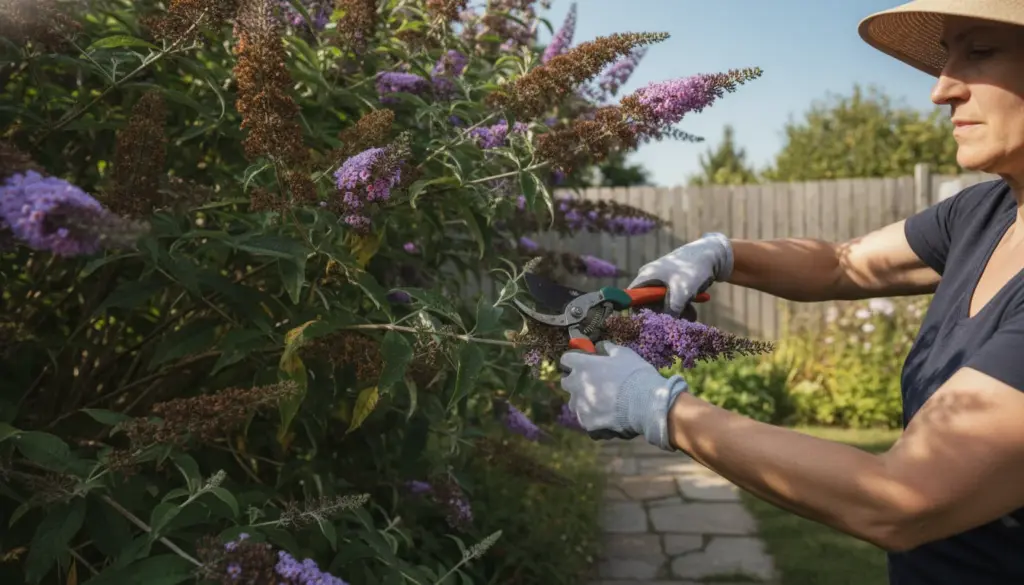
When it comes to summer pruning, a gentle hand is strictly required. Trimming fruit trees and hedges too aggressively removes their natural leafy canopy, which is crucial for internal self-shading. Similarly, setting your mower blade slightly higher allows the longer grass blades to cast tiny shadows on one another, keeping the entire lawn cooler.
Finally, pay close attention to your container garden on sweltering days. Dark and black planters absorb massive amounts of solar radiation, potentially cooking the delicate root systems trapped inside. To prevent this invisible damage, simply set up a garden parasol to block the afternoon glare or temporarily relocate vulnerable potted plants to a shaded corner.