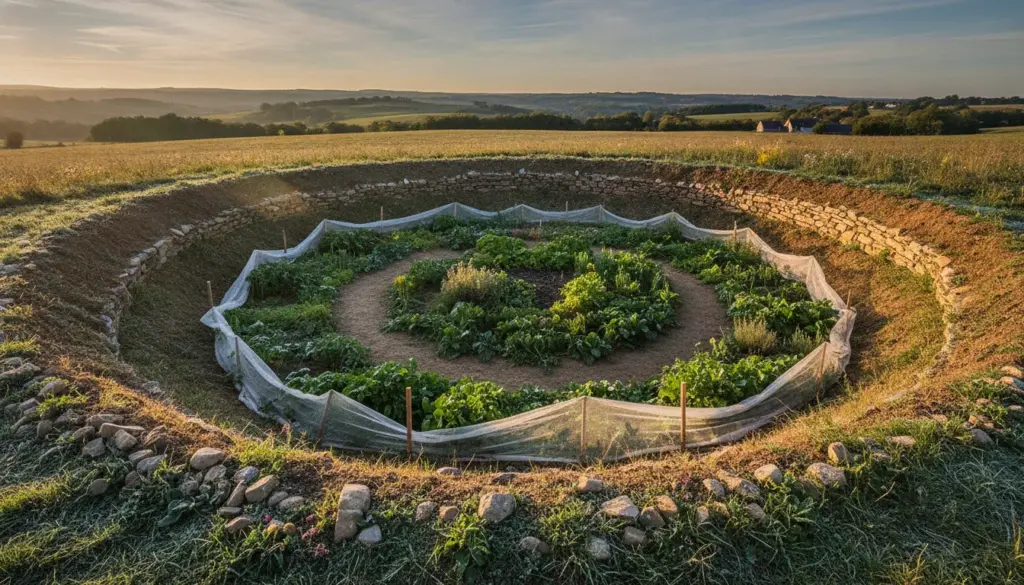
Tired of constantly monitoring your garden during wild weather swings? You might want to consider the ingenious concept of a crater bed. This unique, bowl-shaped garden design acts as a natural sponge for moisture while effectively trapping essential warmth.
Modern gardeners are facing increasingly unpredictable weather patterns. While there are numerous ways to shield your vegetables, herbs, and flowers from intense sun, heavy rain, or severe dry spells, building a sunken garden is remarkably straightforward. By establishing distinct temperature zones, this layout naturally buffers against climatic extremes. Your greenery will be perfectly equipped to handle the elements, completely eliminating the need for daily micro-management.
Building A Crater Bed For Natural Heat And Wind Protection
Just as the name implies, these garden structures resemble a shallow volcanic crater and are carefully divided into distinct planting zones. The design features a recessed center spanning roughly two to four meters in diameter, completely enclosed by a protective outer ring of soil. This clever earthwork shields the interior from harsh winds.
As a result, you get a localized microclimate offering diverse light and soil conditions. This self-regulating environment is perfectly tailored to meet the highly specific needs of various botanical varieties all in one footprint.
Choosing The Right Plants For Each Zone
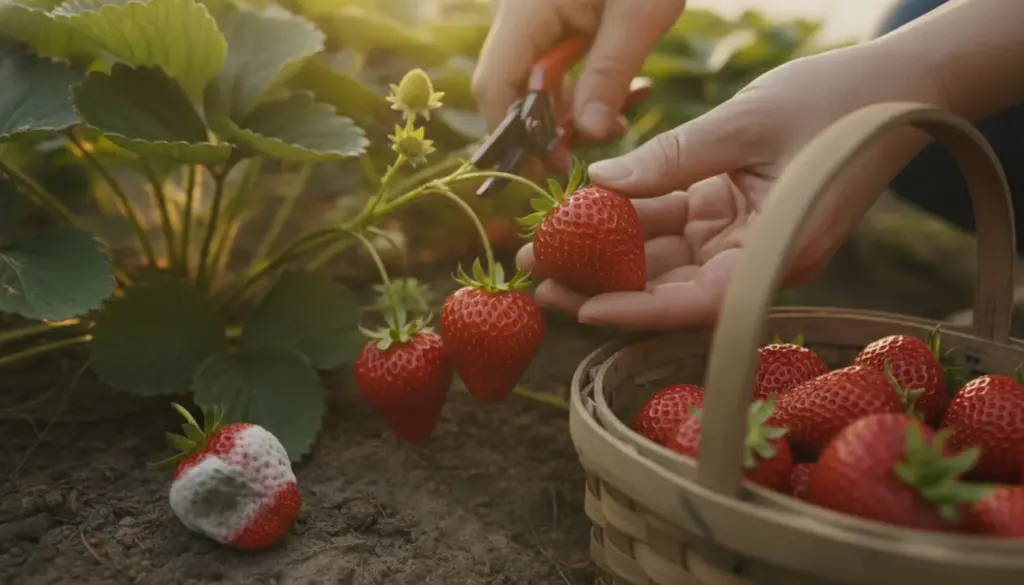
The sunken core of this setup is a true paradise for heat-seeking crops. Tomatoes, cucumbers, eggplants, and strawberries absolutely flourish in this deep center. The depression captures runoff moisture efficiently, holds onto daytime warmth, and significantly lowers the risk of unexpected frost damage. During peak summer, evaporating water from the lower level even provides a subtle, refreshing cooling effect for the foliage.
Moving up the structure, the sloping sides tend to be drier and offer varying degrees of sunlight or partial shade based on their orientation. These angled surfaces are the perfect home for carrots, onions, lettuces, beans, and an array of herbs. You can also integrate vibrant flowering perennials here, using strategically placed stones to carve out attractive miniature terraces.
Finally, the outer perimeter behind the protective ridge is ideal for towering species. Tall growers like fennel, runner beans, corn, serviceberries, and hollyhocks thrive here while simultaneously reinforcing the windbreak for the rest of the bed.
How To Easily Construct Your Own Sunken Garden
With a little guidance, setting up this self-regulating ecosystem in a sunny location is incredibly doable. The process simply involves digging out the central basin and mixing that excavated dirt with nutrient-rich compost. You will then use this enriched soil blend to form the sloping sides and the circular outer embankment.
Adding a few flat stepping stones can create a charming and practical access path down into the basin. Before you begin putting roots in the ground, take a day to observe how the sun and shade move across the different inclines so you can precisely match each plant to its ideal lighting conditions.
Frequently Asked Questions
What exactly is a crater bed?
It is a circular, recessed planting area measuring about two to four meters across, ringed by a raised mound of soil. This specific geometry generates multiple microclimates with varying light and moisture levels. Heat-loving crops thrive in the sheltered center, whereas drought-tolerant varieties grow perfectly on the angled slopes.
How does this design prevent frost damage?
The lowered central basin absorbs solar radiation throughout the day and releases that trapped heat very gradually once the sun goes down. Meanwhile, the surrounding earthen barrier blocks chilling winds, stopping the garden from cooling down too quickly. This results in a stable microclimate that keeps frost-sensitive vegetation much safer than a standard flat plot.
Which vegetables and flowers work best in this layout?
The warm, moisture-rich middle is fantastic for cucumbers, eggplants, strawberries, and tomatoes. The sun-drenched or partially shaded banks are best suited for herbs, carrots, onions, lettuce, and beans. For the exterior border behind the earthworks, tall varieties like corn, hollyhocks, fennel, and runner beans are excellent choices.