You might hesitate to grab your gardening shears while a few bees are still buzzing around your fading lavender. Giving up those last lingering blossoms can feel tough. However, if you want your plant to produce another beautiful flush of color before autumn, a timely trim is absolutely essential. With the right technique and favorable weather, your fragrant shrub will reliably reward you with a spectacular late-season display.
Pruning lavender is essential for a late-season bloom
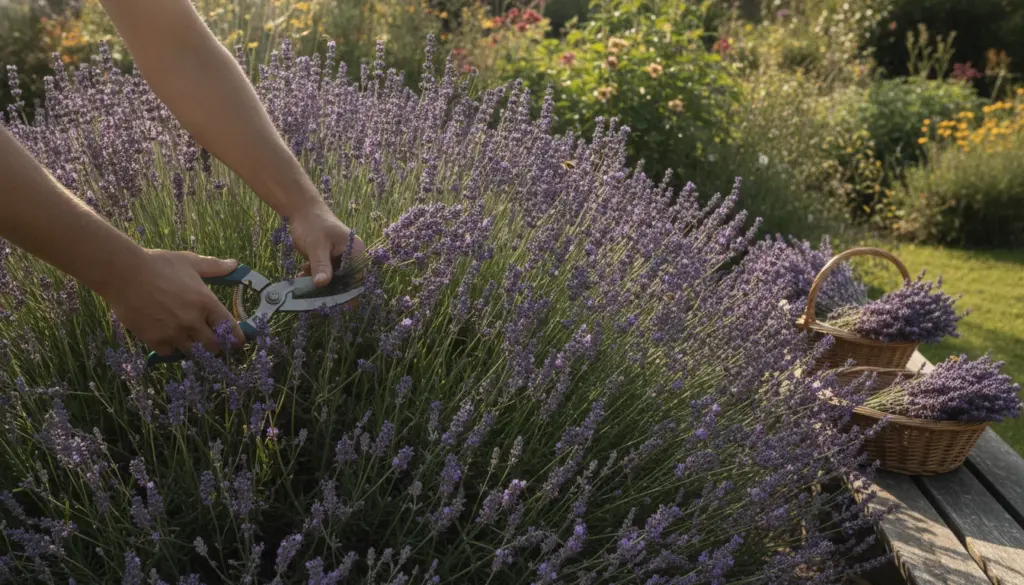
Harvesting these fragrant purple spikes for culinary treats or natural room fresheners is best done right before the buds fully open. Leaving them to burst into full bloom creates a wonderful sensory experience in your garden and provides a valuable feast for local pollinators. Eventually, though, those vibrant stalks transform into dry, brown twigs that no longer serve the local insect population. To revitalize the plant, a strategic haircut is required, but precision and timing are everything.
Follow these expert steps to achieve the perfect mid-summer trim:
- Ideal timing: Wait until the initial flowering phase concludes, typically around mid-July. You must act before the plant starts producing seeds.
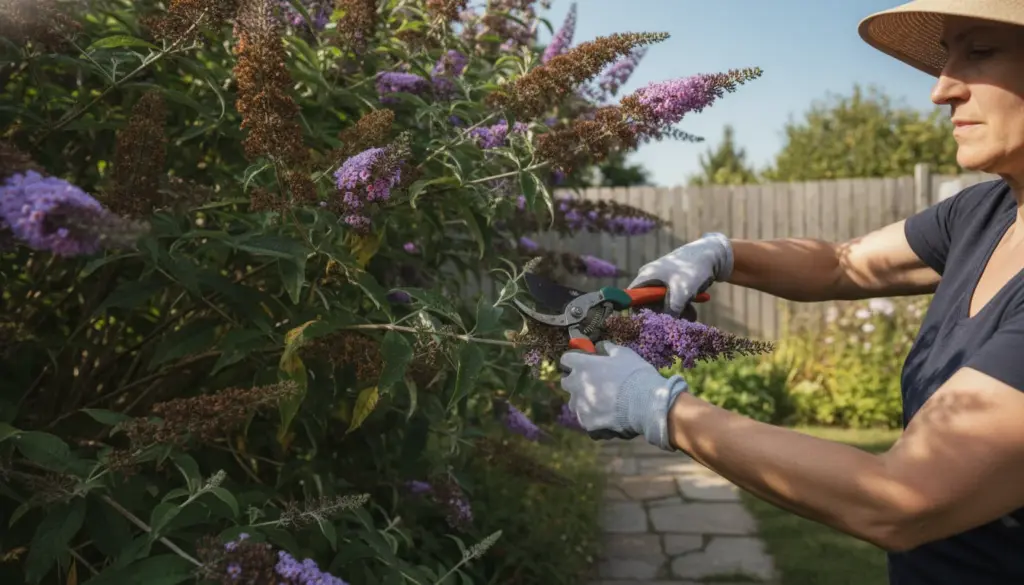
- Proper technique: Reduce all stems by exactly one-third of their length. Always make sure to cut into the flexible, healthy green growth, leaving at least a few leafy tips intact. Always utilize clean, razor-sharp pruning shears to prevent ragged edges and potential disease.
- Ongoing care: Once that highly anticipated second wave of flowers finishes in October, simply snip away the spent heads. Keep the soil moderately moist during extreme dry spells, but hold off on heavy feeding. Excessive fertilizer causes the plant to push out lush foliage at the expense of new buds.
Don’t toss those freshly clipped stems into the compost pile. Bundle them together and hang them upside down to dry, creating perfect natural sachets for your wardrobe or soothing aromatics for your bedside. If you notice your fragrant herb struggling early in the season, take a quick look at its companion plants. Despite popular belief, roses and lavender make terrible bedfellows due to their vastly different soil and watering requirements.
Never trim your lavender down into the bare wood
Regular maintenance trimming does more than just trigger new flowers; it prevents the base from turning woody and maintains a beautifully compact shape. Save your drastic reshaping for the transition into spring. Around late March, once the threat of persistent frost has completely passed, you can safely perform a heavier reduction. During this early spring session, gardeners typically remove about two-thirds of the overall height, ensuring they still leave a portion of vibrant green foliage behind.
Attempting a severe rejuvenation cut during the hot summer months is a major mistake, especially for older, deeply gnarled specimens. While heavily shearing back typical garden perennials often yields great results, this Mediterranean subshrub operates differently. If you strip away every single green leaf down to the old brown wood, the plant loses its ability to push out fresh shoots and will likely perish.