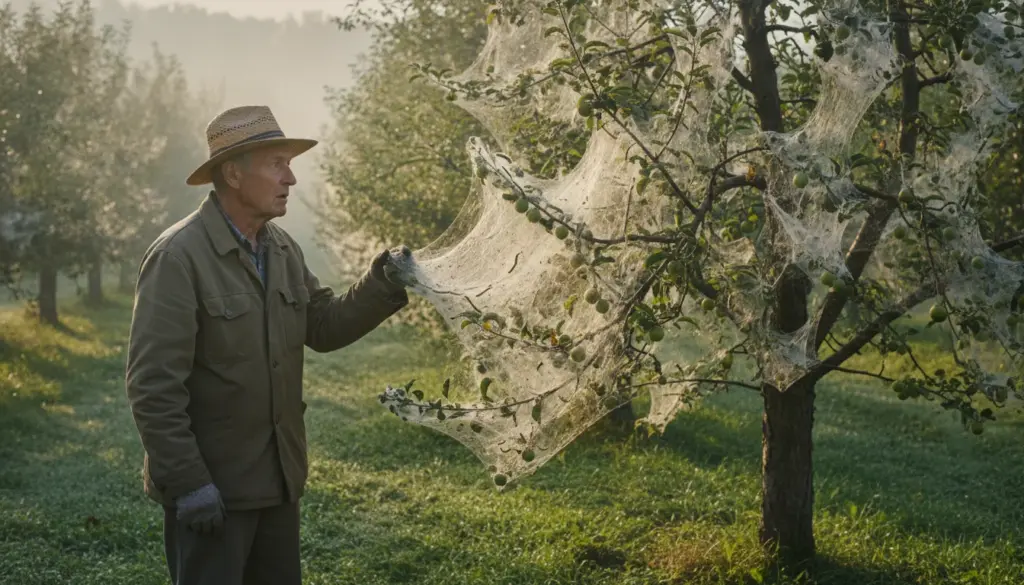
Finding ghostly white webs covering your apple trees is enough to alarm any passionate gardener right now. If you have noticed these strange, silk-like structures wrapping around the branches, you are probably wondering what exactly has taken over your orchard. Fortunately, identifying the culprit and understanding the risk to your fruit yield is half the battle. As early apple varieties begin to develop their first fruits, these bizarre Halloween-style decorations have become a common sight. The mastermind behind this woven landscape is typically the apple ermine moth, whose green caterpillars are currently feasting on your foliage.
Don’t Panic: It Is Not the Oak Processionary Moth
If your first instinct is to worry about the dreaded oak processionary moth, you can breathe a sigh of relief. The caterpillars responsible for these silky nests are completely harmless to both humans and pets. They lack the dangerous stinging hairs that cause severe allergic reactions and skin irritation. If you want to be absolutely certain about which pest you are dealing with, just take a closer look at the insects inside the webs.
Oak processionary larvae feature a brownish-gray body, a dark head, and are covered in light-colored defensive hairs. In stark contrast, the apple ermine moth caterpillars display a yellowish-gray to greenish hue. They also sport a dark head, but their most distinguishing feature is a highly visible row of black dots running along the sides of their bodies.
Will Your Apple Tree Be Completely Stripped of Leaves?
A severe infestation can look incredibly destructive. During the spring, these ravenous larvae can eat a tree completely bare, often leaving nothing behind except the skeletal remains of leaves. However, the situation looks much worse than it actually is. A healthy, vigorous apple tree will easily bounce back from this intense feeding damage. By St. John’s Day on June 24, the plant will have usually pushed out a fresh set of foliage. This secondary growth flush serves as a natural repair mechanism against frost damage and heavy pest defoliation.
Despite this impressive recovery, you will likely face some losses in the orchard. When caterpillars strike heavily, the apple harvest is often ruined or significantly reduced. The intense stress causes small fruit buds to stall in their development and ultimately drop from the branches. It is generally recommended to thin out the fruits on healthy trees at this time of year anyway. This growing pest issue is compounded by mild winters and hot, dry summers, which create the perfect breeding ground for the moth to spread rapidly through our gardens.
Effective Strategies to Combat the Apple Ermine Moth
Once you spot those telltale webs in the canopy, immediate action is required. Here are the most effective methods to reclaim your tree from the hungry invaders:
- Lay down a catch tarp: Before starting any removal work, spread a large cloth or tarp flat on the ground beneath the canopy. This catches any dropping caterpillars and prevents them from immediately crawling right back up the trunk.
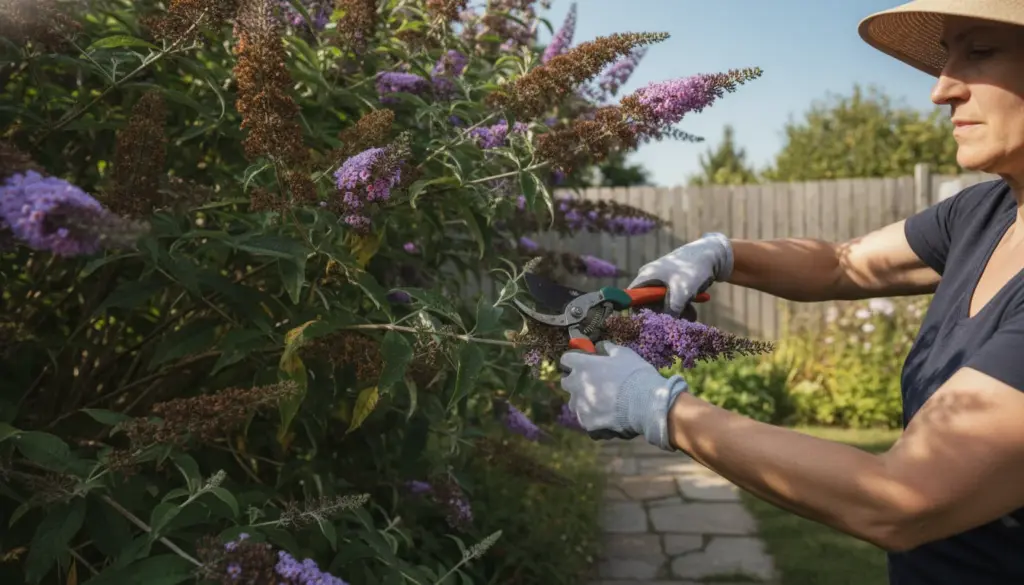
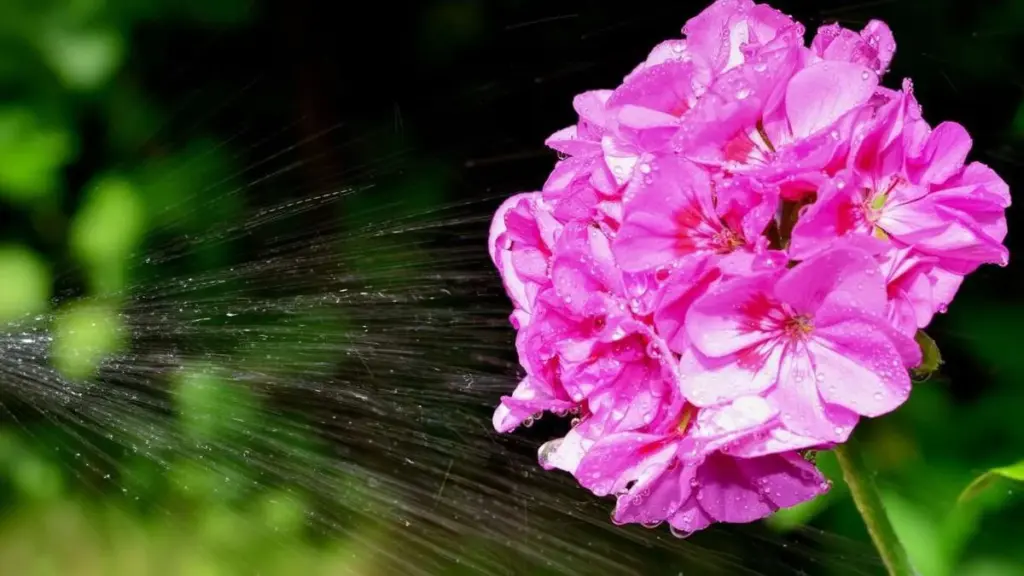
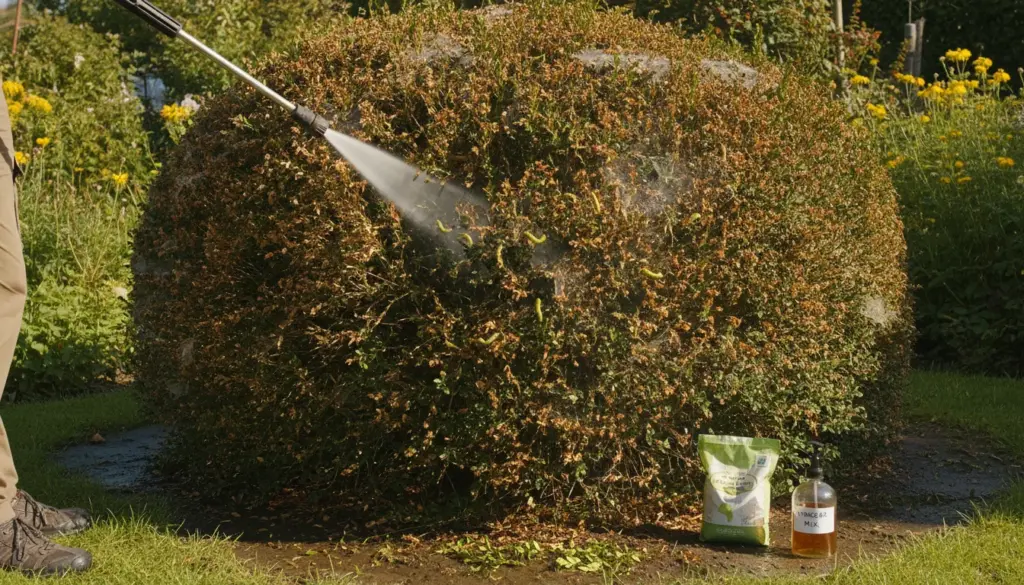
- Remove the nests manually: Grab your pruning tools right away and physically cut the webbed sections out of the tree. A sharp pair of bypass secateurs ensures a clean cut on the affected branches. Alternatively, blasting the nests with a powerful jet of water can also dislodge the pests.
- Dispose of the pests correctly: Do not throw these caterpillars onto your compost pile under any circumstances. The safest and most effective disposal method is putting the infested branches and nests directly into the household trash.
- Apply tree banding glue: To intercept any larvae that fell to the ground or were missed during pruning, wrap a sticky glue band around the trunk. Keep in mind, however, that this barrier method will indiscriminately catch beneficial insects alongside the pests.
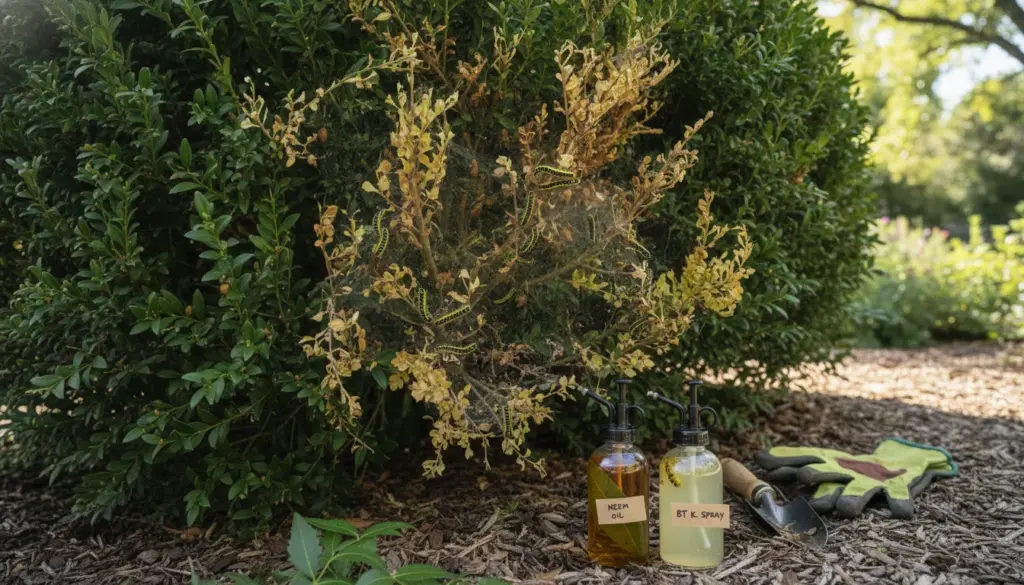
If you prefer to use pest control sprays, precise timing makes all the difference. Biological treatments containing Bacillus thuringiensis are highly effective and safe for beneficial garden helpers, but they only work while the caterpillars are still feeding openly on the leaves. Once the tight, water-repellent silk nests are constructed, the larvae are safely shielded from sprays. Horticultural experts generally advise against using neem oil for this specific issue. Neem is a non-selective treatment that can severely harm valuable garden allies like lacewings and ladybug larvae, making it suitable only for highly targeted spot treatments during times of low insect activity.
💡 Expert Garden Knowledge: A Bacterium That Ruins Appetites
You might be wondering how biological controls utilizing Bacillus thuringiensis actually get the job done. This active ingredient is a naturally occurring bacterium found right in the soil. When the target caterpillars ingest it while chewing on treated leaves, their digestive system converts the bacteria into a potent toxin that completely destroys their intestinal lining. Within just a few hours of consumption, the pests lose their appetite and stop feeding entirely. They typically die off within one to two days. Best of all, this biological approach poses absolutely no risk to humans, pets, bees, or other beneficial insects.
Preventing Future Infestations: Pruning and Natural Predators
If you are currently battling a heavy moth population, it is wise to start planning your defense strategy for the upcoming growing season right away.
- Execute a thorough winter pruning: Adult moths lay their eggs directly on the branches as early as July and August. The resulting microscopic larvae spend the entire winter there, hiding safely under a tiny protective shield. While doing your annual winter pruning, carefully inspect the wood and cut away any infested twigs. Depending on the size of your tree, this preventative trimming can significantly reduce the spring population.
- Encourage natural garden predators: Boost the presence of the moth’s natural enemies in your landscape. Many common garden birds, especially tits, love to feed these plump caterpillars to their chicks. Ichneumon wasps are also relentless hunters of this specific pest. You can easily foster a lively, balanced ecosystem by installing birdhouses, allowing wild herbs to bloom, and leaving a quiet corner with deadwood to attract helpful wildlife.