Cultivating your own fresh produce during the hot summer months typically demands a massive amount of hydration. However, conserving your precious resources is completely achievable if you leverage clever gardening strategies alongside carefully selected crop varieties.
When the midsummer sun beats down relentlessly, dedicated gardeners often find themselves hauling endless watering cans to their backyard beds at the crack of dawn. This daily routine drains both your free time and your wallet. Furthermore, shifting climate patterns mean we must prepare for increasingly frequent heatwaves coupled with minimal rainfall. While tracking down drought-tolerant ornamental shrubs is relatively straightforward, keeping edible crops thriving in dry conditions presents a unique challenge for horticulturists.
Can you realistically reduce water usage in the vegetable patch?
Is there a magical crop that survives entirely without a gardener’s intervention? Unfortunately, zero-watering vegetables do not exist, as prolonged dry spells will eventually weaken even the most resilient cultivars. Nevertheless, you can drastically cut down your overall moisture requirements by implementing a few proven agricultural techniques:
- Directly sow your seeds: Planting directly into the soil encourages crops to develop significantly longer root systems. These deep roots can tap into underground moisture reserves, allowing the plant to store hydration much more effectively.
- Utilize established young plants: During peak summer heat, transplanting pre-grown seedlings is highly recommended over starting from scratch. They possess a better natural defense against extended periods of drought.
- Create strategic shade: Many edible greens thrive away from direct sunlight. Consider finding a naturally sheltered location in your yard, or simply erect a breathable sun sail to protect sensitive leaves.
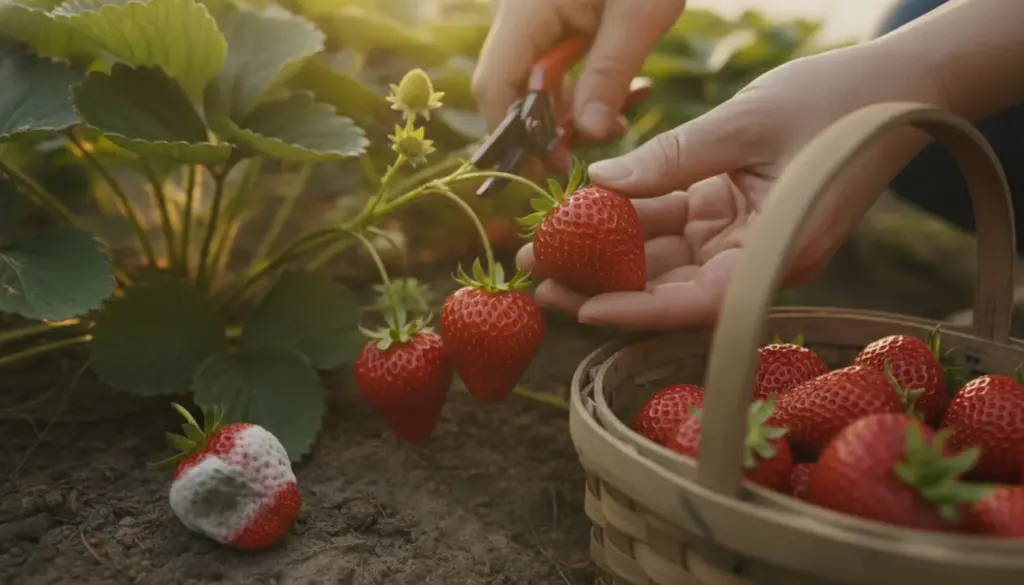
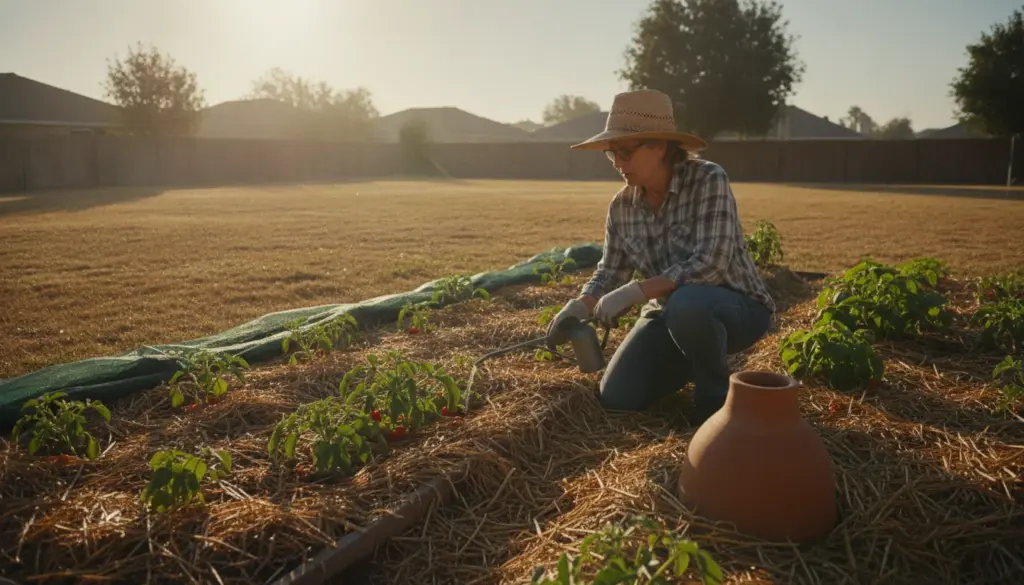
- Apply protective mulch: There is a highly scientific reason why commercial strawberry fields are heavily blanketed in straw. A thick layer of organic mulch prevents the underlying earth from rapidly drying out. Just remember to supplement the soil with a quality nitrogen fertilizer, as decomposing mulch materials tend to temporarily lock up this vital nutrient.
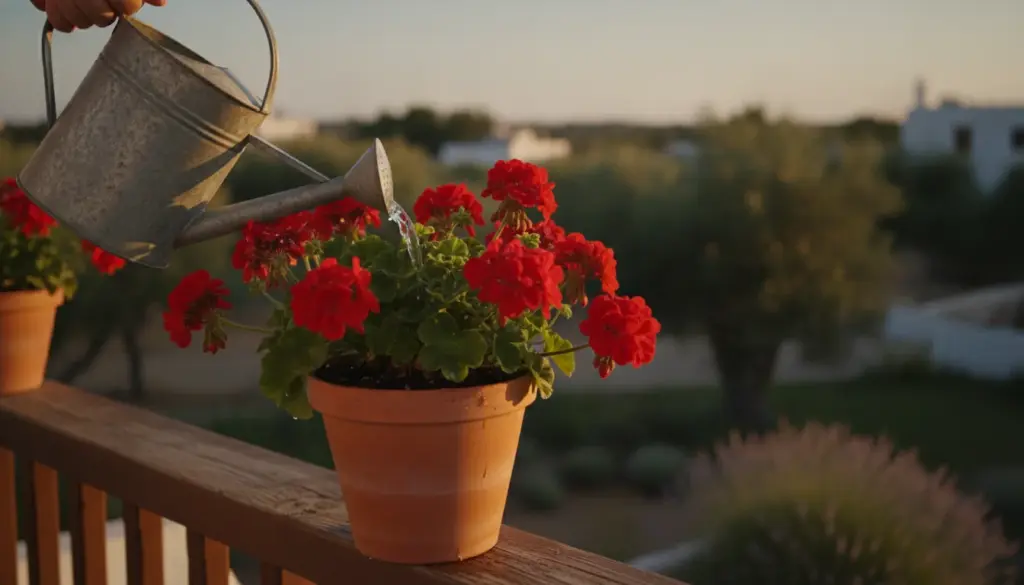
- Optimize your watering schedule: Always aim to hydrate your garden beds either early in the morning or late in the evening. The golden rule of irrigation is to water less frequently, but with deep, heavy soakings. This forces the moisture far below the surface, stimulating incredibly robust root development.
Smart irrigation systems for resource conservation
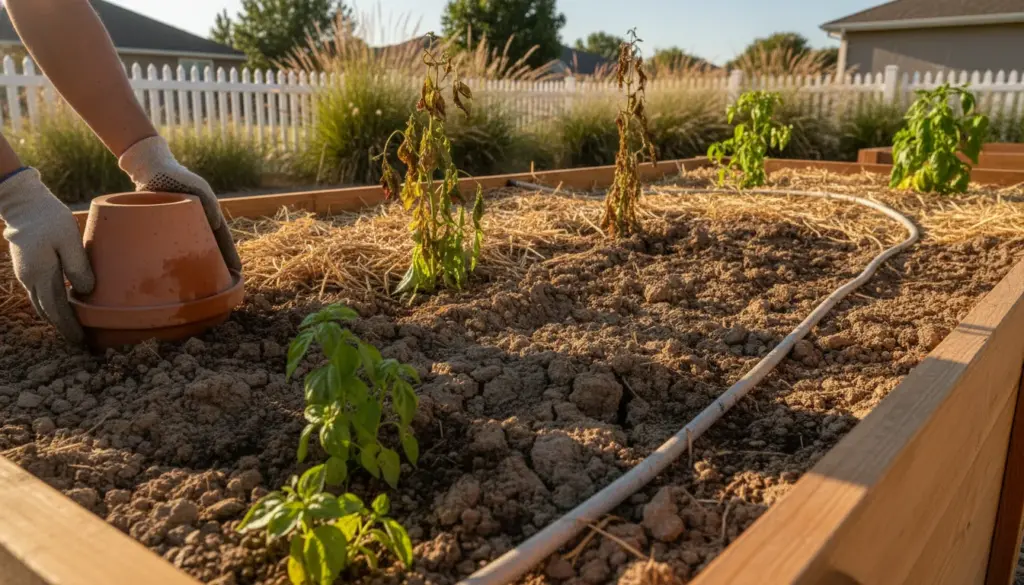
Your garden hose does not always have to be the primary source of hydration. Setting up an intelligent irrigation framework is a fantastic way to protect the environment and lower your utility bills. Collecting rain in dedicated barrels or storage tanks creates a reliable buffer for those inevitable dry weeks. For an incredibly sustainable approach, consider installing specialized soaker or drip hoses across your raised beds. These ingenious tools deliver moisture precisely at the base of the plant in tiny, continuous droplets, ensuring the surrounding dirt never turns to dust. As an excellent bonus, this hands-off method eliminates the back-breaking chore of carrying heavy containers.
Drought-resistant vegetables for your summer harvest
Certain edibles naturally boast a higher tolerance for arid conditions compared to their delicate counterparts. Because they successfully forge deep, complex root networks, these tough survivors remain remarkably robust. Excellent choices for a water-wise layout include:
- Onions
- Garlic
- Deep-rooted root crops like beetroot
- Fruiting vegetables such as eggplants, pumpkins, and bell peppers
- Various members of the cabbage family
Keep in mind that extreme, never-ending droughts will eventually take a toll on even these hardy selections. When severely stressed by a lack of moisture, their natural defenses drop, making them highly susceptible to local pests and aggressive diseases. Ultimately, extreme dehydration can lead to compromised flavors and a noticeably diminished harvest yield.