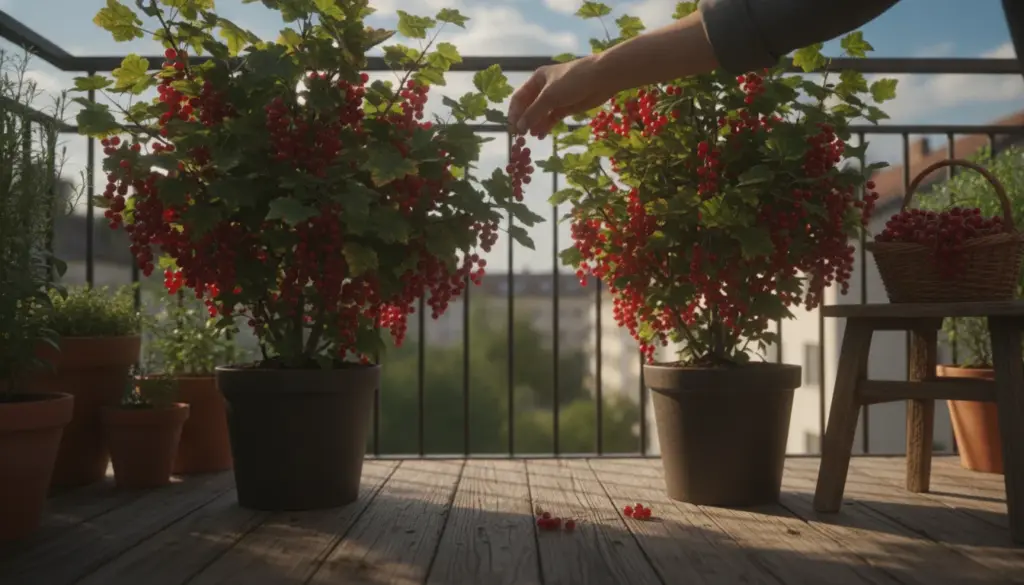
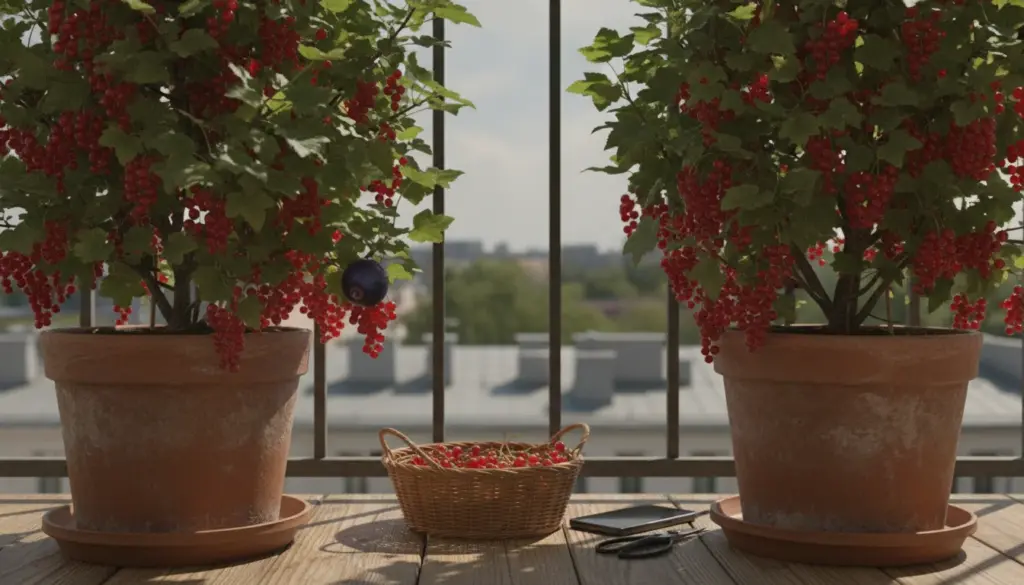
The potted redcurrants on my balcony are finally ready for picking. This exciting moment marks the culmination of a beautiful growing phase, rewarding my patience with vibrant, juicy fruits. However, one peculiar detail about my plants has left me completely baffled.
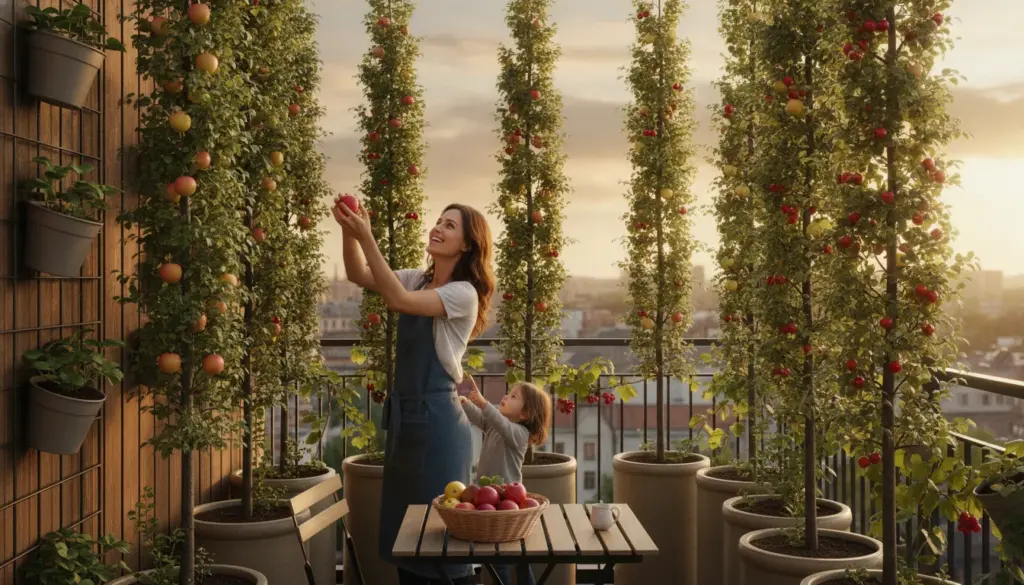
Currently, two lush redcurrant shrubs thrive in containers on my outdoor patio. As a passionate urban gardener, I absolutely adore these plants and find myself snapping photos of them from multiple angles throughout the warmer months. Witnessing their slow, steady transformation from bare branches to fruit-bearing beauties is an incredibly satisfying experience.
The stunning visual journey of ripening redcurrants
It all starts in early spring when delicate clusters of minuscule blossoms emerge. These eventually turn into plain, tiny green spheres that steadily swell as the days grow longer. Returning home after a brief late-spring getaway usually brings a delightful surprise: the very first hints of pale pink coloring on the fruits.
By the middle of June, they have expanded to their maximum size, creating a breathtaking contrast of brilliant crimson against the deep green foliage. Timing the harvest is crucial here. You must gather the berries before local birds snatch them up or the intense summer heat turns them to mush.
Harvesting the vibrant summer bounty
The German name for these tart treats, “Johannisbeere,” originates from St. John’s Day (June 24th). This date traditionally signals the start of the picking season for early varieties. Once this milestone rolls around, it is time to gather these vividly colored, vitamin-packed gems.
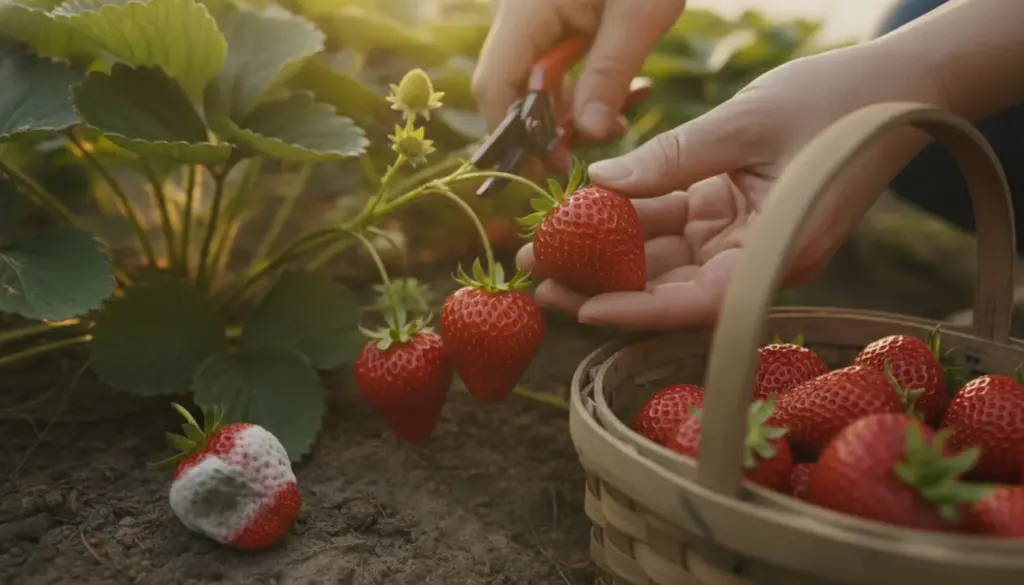
For a clean harvest, simply snip the entire stem using sharp garden shears or carefully pinch it off with your fingers. Whatever you do, avoid plucking the individual berries directly from the branch. Doing so will inevitably result in a squished, sticky disaster.
During the previous growing season, my young potted shrubs yielded a rather modest crop, barely filling half a small bowl. This summer, however, the bounty is abundant enough to finally bake a spectacular, moisture-rich redcurrant cake topped with fluffy meringue. Honestly, there is no better culinary treat to enjoy during a sweltering afternoon.
A brief note from the garden
Hello, I am Andrea Stettner. As a dedicated gardening editor, my daily life revolves around everything that blooms and flourishes. I take immense pleasure in sharing personal insights from my own horticultural adventures, ranging from the correct way to prune berry shrubs to combating stubborn pests and weeds with simple household remedies.
Through regular conversations with seasoned plant experts, I gather top-tier advice to pass along to fellow plant lovers. I even compile all the essential weekly tips for indoor houseplants, balcony containers, and backyard landscapes in a dedicated newsletter to ensure nothing important gets missed.
Why did some flowers fail to become berries?
Despite the successful yield, there is one slight disappointment: a significant number of potential fruits never materialized on the stems. Consequently, several bunches look remarkably sparse, almost as if they had been nibbled away. Seeking an explanation for this phenomenon, I consulted my highly experienced mother-in-law.
Her expert assessment suggested a practical theory. High winds during the crucial pollination window might have prevented the local bees from thoroughly visiting every single blossom.
A bit of targeted horticultural research revealed another fascinating possibility. Sometimes, a plant will intentionally shed excess blooms to protect its branches from the unbearable weight of a massive crop. Additionally, environmental stress factors like unexpected late frosts, prolonged dehydration, or insufficient soil nutrients can trigger this exact same reaction.
Regardless of the actual cause behind these sparse clusters, I am already looking forward to tweaking my care routine for next year. Until then, my attention shifts to the balcony blueberries, patiently waiting for their late-summer ripening phase.
More gardening inspiration:
- Propagating redcurrants: The easiest way to grow a brand new plant from cuttings
- When to trim: The ultimate schedule for pruning raspberries, redcurrants, and other berry bushes
- Homemade preserves: Top berry varieties to cultivate in your own backyard or patio for making jam