It frequently takes weeks for rose cuttings to finally develop roots. However, a common household staple can dramatically accelerate this process while shielding the delicate plant tissue against harmful bacteria and fungi.
If you want to multiply your favorite blooms, propagating through cuttings is a classic, highly reliable technique. The perfect window for this gardening task falls between late May and August, right when the stems are sturdy but haven’t turned completely woody yet. In theory, the process sounds totally effortless: simply snip a stem, place it in regular garden soil, and give it some water. Unfortunately, waiting for those first tiny roots to emerge can be incredibly frustrating, with weeks often slipping by without any visible progress.
Struggling with unrooted rose cuttings? Try this clever trick
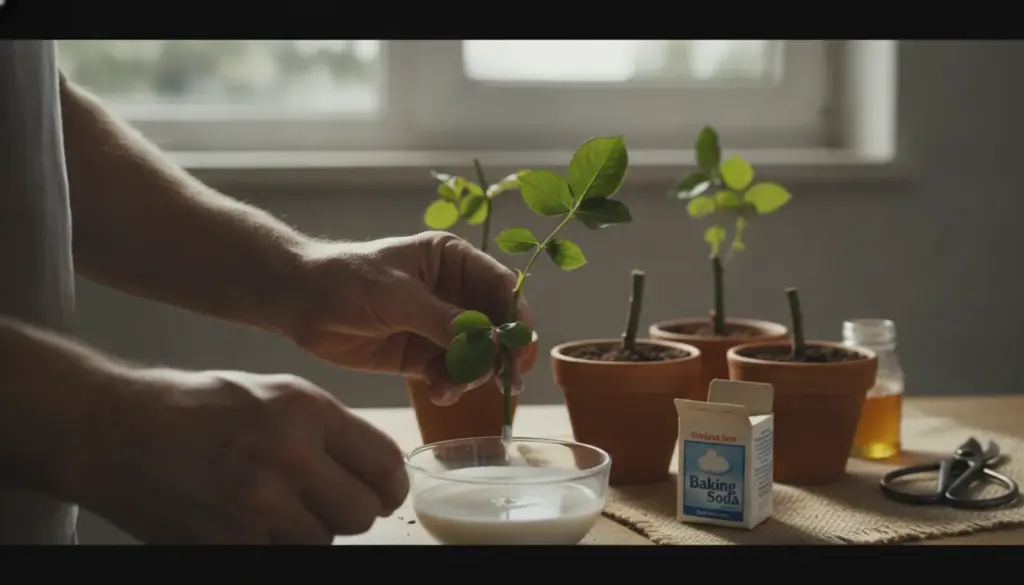
This is exactly where an unexpected pantry staple steps in—one that experienced horticulturists have relied on for years. Raw honey is a natural powerhouse packed with beneficial enzymes and flavonoids that provide impressive fungicidal and antibacterial properties. By treating your stem in a diluted honey-water solution before placing it in the earth, you create a powerful protective barrier over the fresh cut.
Because the plant no longer has to waste vital energy fighting off soil-borne pathogens or mold, it can channel all its vigor directly into rapid root development. The application is remarkably straightforward and relies entirely on natural ingredients you likely already have sitting on your kitchen shelf.
Nevertheless, getting the mixture ratio right is absolutely crucial for your gardening success. Applying too much thick honey can actually smother the plant tissue, sealing the cut entirely and preventing any root growth from breaking through. Applying the treatment carefully and in moderation ensures your delicate stems thrive rather than suffocate in the soil.
Essential tips for ongoing rose care
To ensure your newly propagated plants flourish into healthy bushes, keep these crucial cultivation principles in mind:
- Avoid typical cultivation errors: Even minor mistakes in daily watering or feeding routines can severely stunt your plant’s seasonal growth.
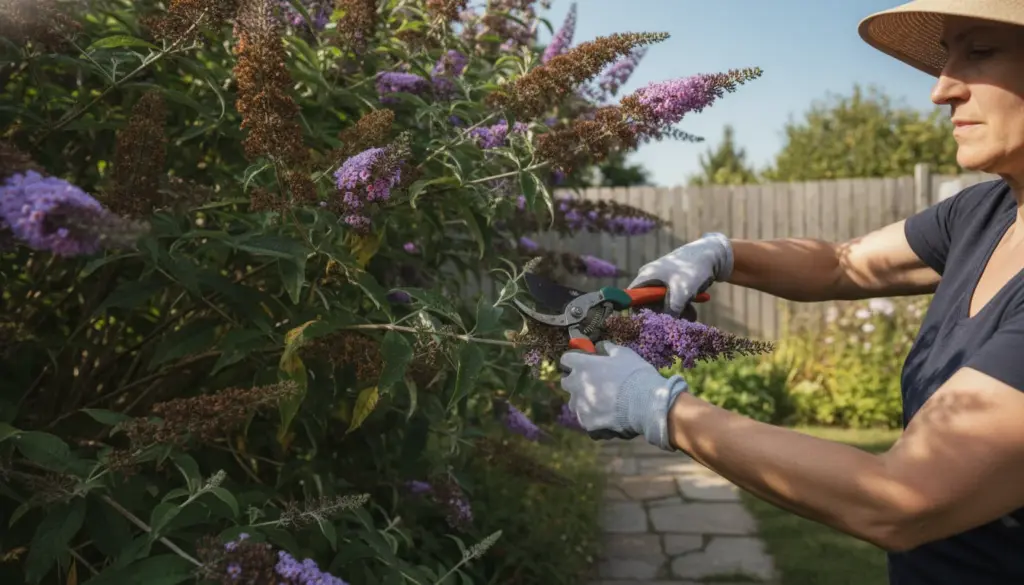
- Time your maintenance perfectly: Use nature’s botanical signals—such as the blooming of forsythia bushes—as the ultimate indicator for when to begin your critical spring pruning.
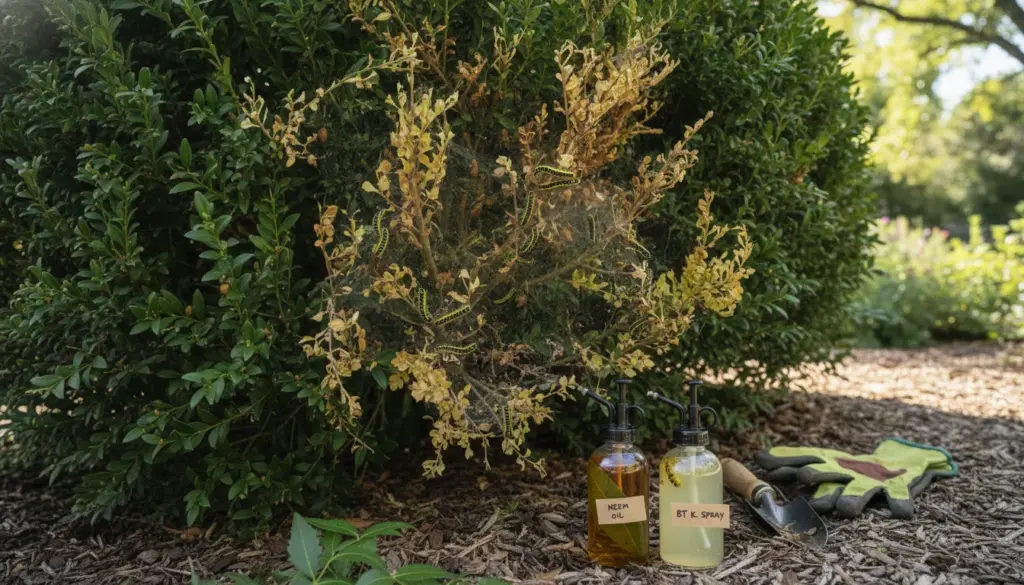
- Protect your garden early: Stay completely vigilant against common threats to understand, identify, and combat issues like rose rust, powdery mildew, black spot, aphids, and thrips before they take hold.