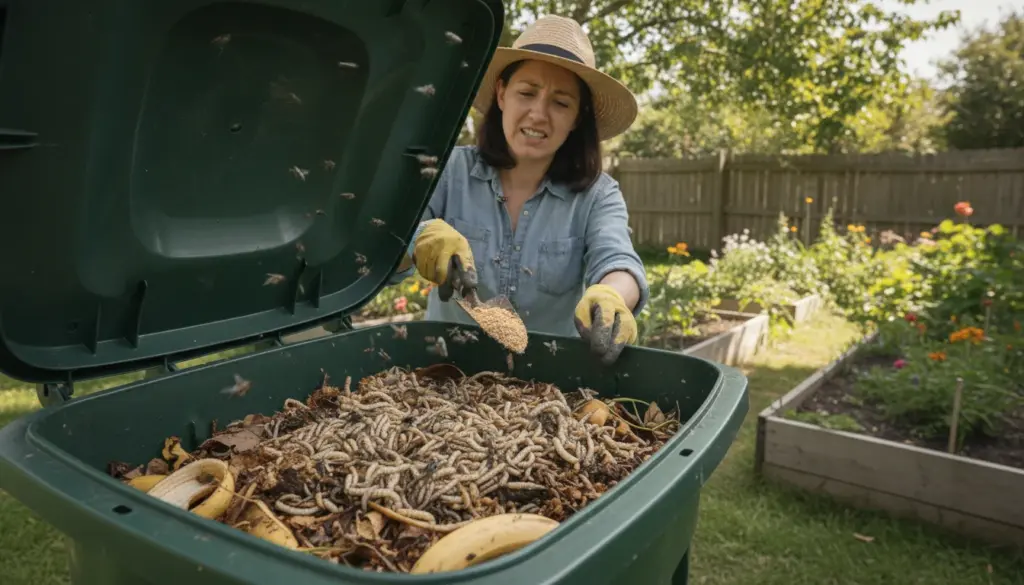
The moment temperatures start climbing, that familiar, unpleasant surprise returns: squirming larvae taking over your organic waste. However, dealing with these unwelcome pests doesn’t have to be a nightmare if you know exactly how to stop them from coming back.
Those wriggling visitors are actually the offspring of common houseflies and blowflies. These insects are powerfully drawn to the damp, pungent environment created by decomposing organic matter. As your food scraps break down, they release enticing odors like butyric acid and hydrogen sulfide, which act as a magnet for adult flies. Once inside that dark, humid, and warm container, a single fly can comfortably lay up to 150 eggs every couple of days.
Within a shockingly short timeframe, those tiny eggs transform into a massive maggot infestation. Breaking this unhygienic cycle requires a two-step approach: blocking the insects’ entry and destroying their ideal breeding conditions. The absolute most effective weapon in your arsenal against these pests is keeping the environment as dry as possible.
How to prevent maggots in your organic waste bin
- Smart placement: Find a permanently cool, shaded spot for your container throughout the entire year. Keeping it in a garage or under a dense canopy prevents direct sunlight from heating the plastic, which would otherwise drastically speed up both rotting and smell generation.
- Eliminate moisture: Never throw wet vegetable peels or soggy leftovers straight into the container; always bundle them in some old newspaper first. Creating alternating layers is highly recommended. Toss in dry materials like torn egg cartons, dead grass, or sawdust between your food scraps to soak up excess fluids. If you don’t have sawdust on hand, inexpensive natural pet bedding made from wood shavings or simple garden compost makes a fantastic, highly absorbent alternative. Remember that many kitchen scraps can also be repurposed as valuable plant fertilizer.
- Strictly plant-based waste: Animal proteins are the ultimate fly magnet, so keep them far away from your compost collection. Scraps of meat, fish bones, leftover sausages, and dairy products should always be securely wrapped and tossed into your regular household trash instead.
- Secure the perimeter: Your bin’s lid must shut completely flush, and containers with built-in rubber seals offer the best protection. For an extra layer of defense, try wiping down the upper rim with a diluted solution of either lavender or citrus essential oil, as these strong scents naturally repel searching insects.
- Neutralize bad smells: Every so often, scatter a generous handful of rock dust over the top layer of your refuse. This specialized natural powder works wonders by instantly locking away excess moisture while simultaneously neutralizing those foul, decay-driven odors.
Maintain a strict cleaning routine
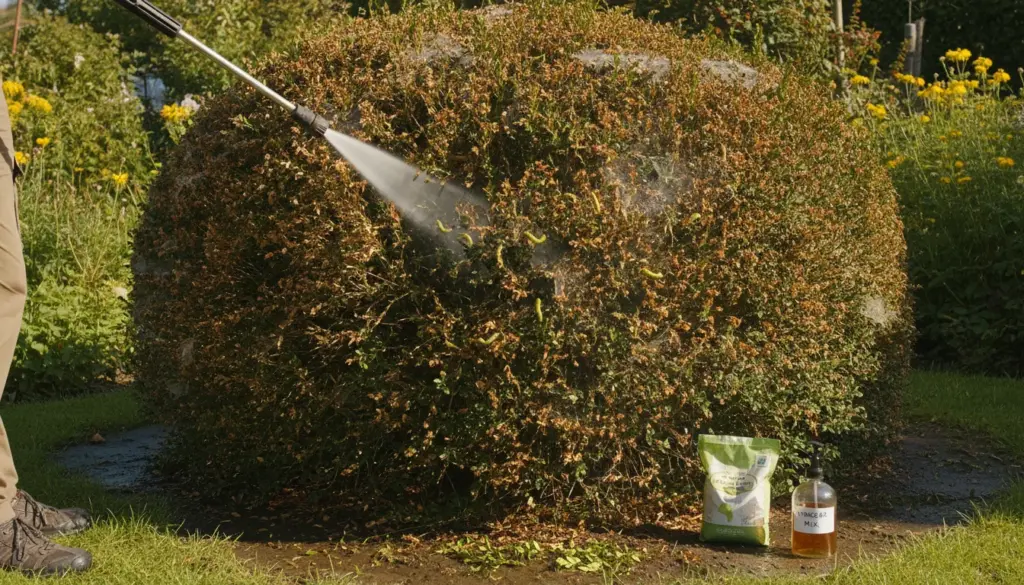
Washing out your container frequently is essential, and doing this right after the municipal collection is usually the most practical timing. Blast the interior with a high-pressure cleaner or a strong jet from your garden hose to dislodge stuck-on grime.
Afterward, scrubbing the inner walls and the lid with a simple vinegar and water solution will effectively eliminate lingering smells and further deter insects. Finally, leave the freshly washed bin out in the direct sun with the lid wide open until every last drop of water has evaporated before adding any new scraps.