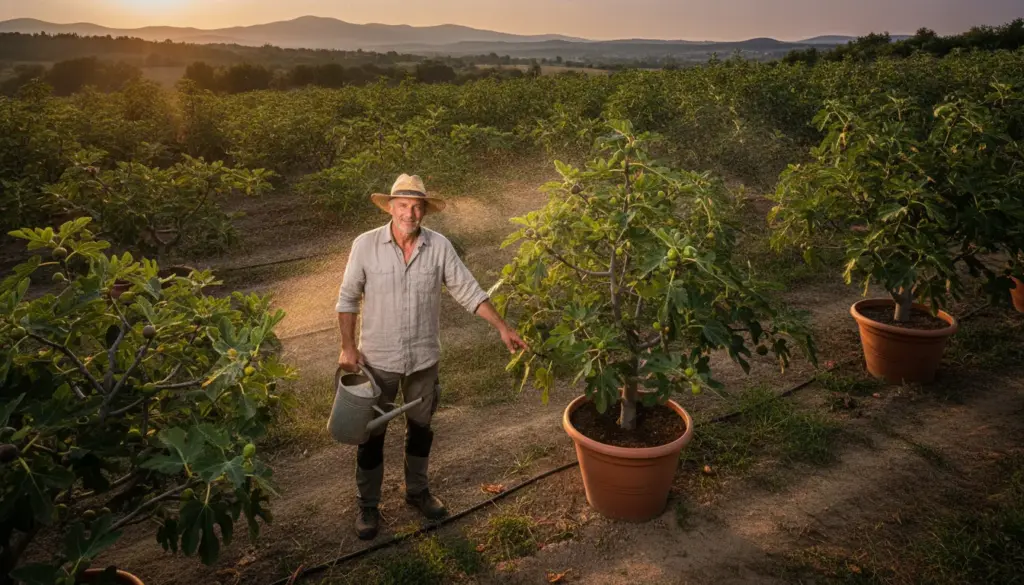
When we think of Mediterranean flora, our minds often jump straight to blazing sun and bone-dry soil. However, assuming this applies to your beloved fig tree is a massive misconception that could easily cost you your entire harvest. Depending on whether it sits in a cozy container or thrives in your garden bed, this plant has highly specific hydration demands. Harald Thiesz, who runs an organic fig farm in Vienna, knows exactly how to handle these Mediterranean beauties. He shares his insider secrets on why your watering can is crucial in the summer, but also why overdoing it might ruin your chances of harvesting sweet, plump fruits.
Watering Potted Fig Trees Correctly
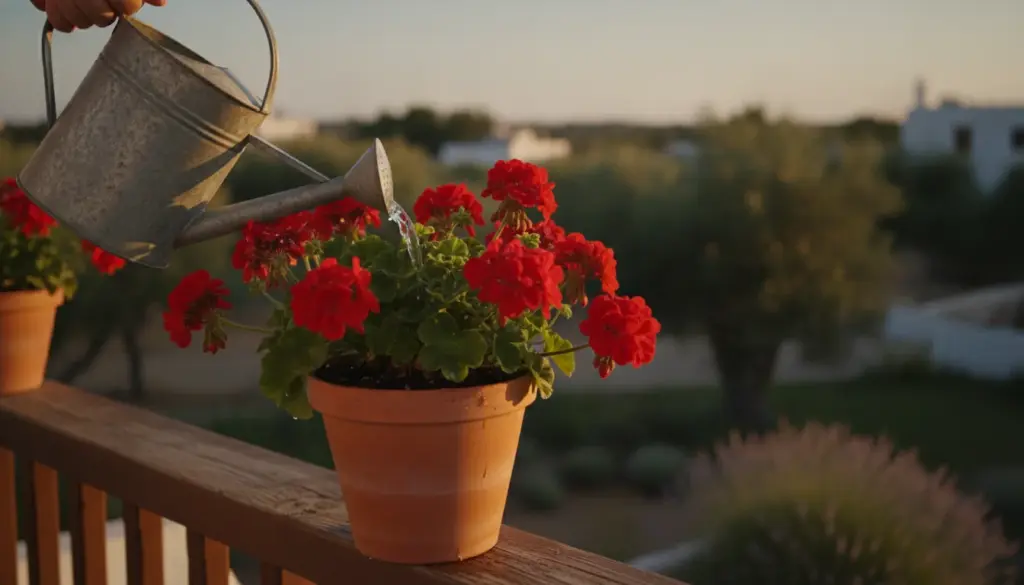
Caring for a container-grown fig demands a certain level of finesse, especially during the sweltering summer months. As the heat turns up and the fruits begin to ripen, the plant’s thirst skyrockets, requiring frequent and generous watering. Yet, when the summer temperatures dip into a milder range, the hydration needs drop significantly alongside them.
To get this balance just right, professionals swear by the 10-percent excess rule. The concept is wonderfully simple: if you pour one liter of water into the pot, exactly 100 milliliters should trickle out of the drainage holes at the bottom. This clever technique guarantees that the root ball is thoroughly soaked while simultaneously flushing out harmful excess salts, such as sodium and sulfate compounds. For optimal results, aim to do your watering in the early morning hours, or consider setting up a convenient drip irrigation system.
As the seasons shift into spring and autumn, you can safely scale back your watering routine. During chilly spells, it is critical to offer only moderate hydration and absolutely never let standing water linger in the saucer beneath the pot. When it comes to winter storage, the soil should remain largely on the dry side. In fact, for deciduous plants overwintering in an unheated greenhouse, watering once every three to five weeks is more than enough to keep them happy.
Essential Rules for Hydrating Figs
- Choose the right water: Fig trees actually prefer alkaline, calcareous moisture, meaning standard tap water is usually the perfect choice.
- Stay vigilant in summer: Check your potted beauties weekly. If you spot drooping leaves, grab the watering can immediately!
- Banish waterlogging: Always empty the drainage saucer promptly and ensure your garden beds have excellent natural drainage.
Garden-Planted Fig Trees: Why Less is More
Once your fig tree is permanently rooted in the garden soil, the entire watering playbook changes. During those arid summer months, the golden rule here is deep, interval hydration. Throughout the first two years of its life outdoors, it is highly beneficial to intentionally expose the tree to longer dry spells. This strategic stress encourages the roots to grow incredibly deep into the earth.
If your garden features sandy soil, a thorough soaking once or twice a week is ideal. For heavier clay soils, spacing your watering sessions one to two weeks apart is plenty. By holding back the water, you literally force the plant to hunt for moisture in the deeper soil layers, ultimately creating a much tougher and more resilient tree.
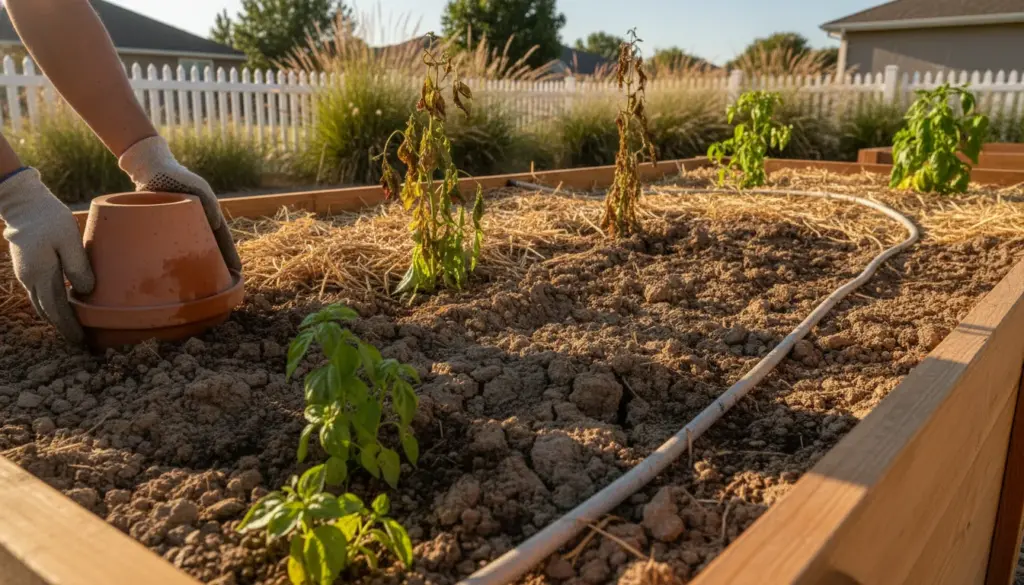
Mother Nature can sometimes do the heavy lifting for you. Whenever rainfall exceeds 15 liters per square meter, you can completely skip your watering duties. The absolute most important factor for outdoor figs is exceptional drainage. Incorporating gravel or coarse pebbles into the planting hole prevents deadly waterlogging. You will know you have a drainage problem if puddles stick around long after a rainstorm. In densely compacted clay or loam soils, the roots can actually suffocate from a lack of oxygen, causing the plant to perish.
Fig Tree Watering Guide at a Glance
- Young Trees (Years 1-2): In pots, they need plenty of regular moisture during heatwaves and fruit ripening. In the garden, water sandy soils 1 to 2 times weekly, and clay soils every 1 to 2 weeks.
- Mature Trees: Potted figs still demand heavy watering during hot spells and fruiting. Garden-planted trees only need rare but deep soakings, specifically during droughts and when fruits start swelling.
- Winter Care: Give potted plants a splash every 3 weeks (always do a finger test first). Outdoor trees need a generous watering on mild winter days to prevent freeze-drying during long droughts.
- Spring and Autumn: Keep potted plants moderately moist and never leave water in the saucer. Outdoor trees usually rely entirely on natural rainfall.
Meet the Gardening Expert
As a deeply passionate hobby gardener, Ines Alms has spent years mastering the nuances of natural landscaping, balcony gardens, and indoor plant care. She regularly shares her most beautiful discoveries and professional expertise with green-thumbed enthusiasts. Whether she is exploring forgotten heirloom vegetables, unlocking the secrets of crater beds, or highlighting the best bee-friendly blooms, her goal is to provide practical inspiration that anyone can easily apply to their own backyard paradise.
Crucial Hydration During Heatwaves and Fruiting
Whether your fig is flourishing in a terracotta pot or thriving out in the open garden, its thirst will suddenly spike during two very specific phases: intense summer heatwaves and the exact moment the fruits begin to ripen. During this critical window, the tree burns through a massive amount of energy and liquid to produce those large, mouth-watering figs you are eagerly waiting for. You must adjust your routine to meet this sudden demand, offering generous amounts of moisture while still carefully avoiding the dreaded waterlogged soil.