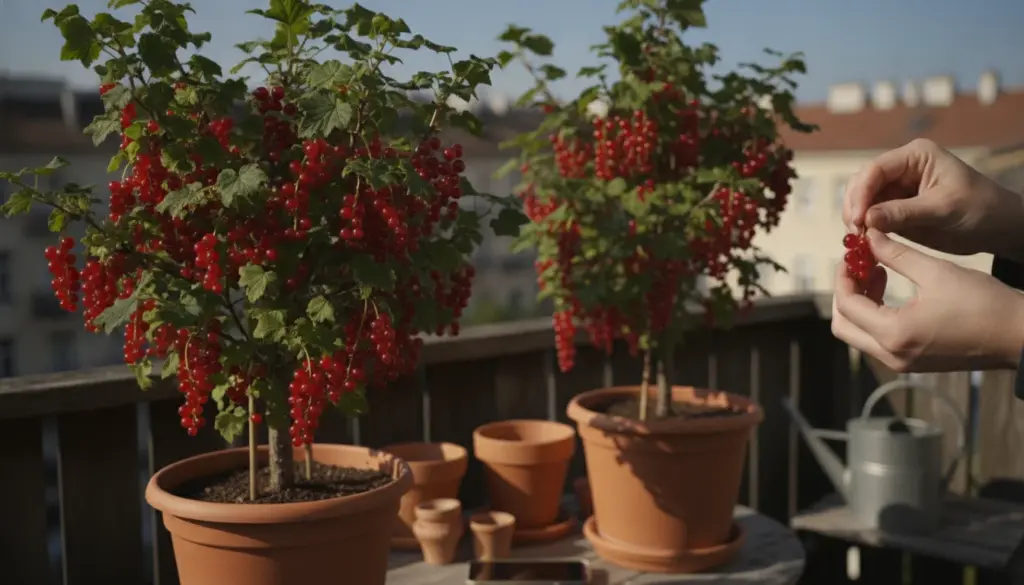
My balcony redcurrants have finally reached maturity, marking the end of a very special growing phase. While I am thoroughly enjoying the plump, juicy harvest, one peculiar detail continues to baffle me.
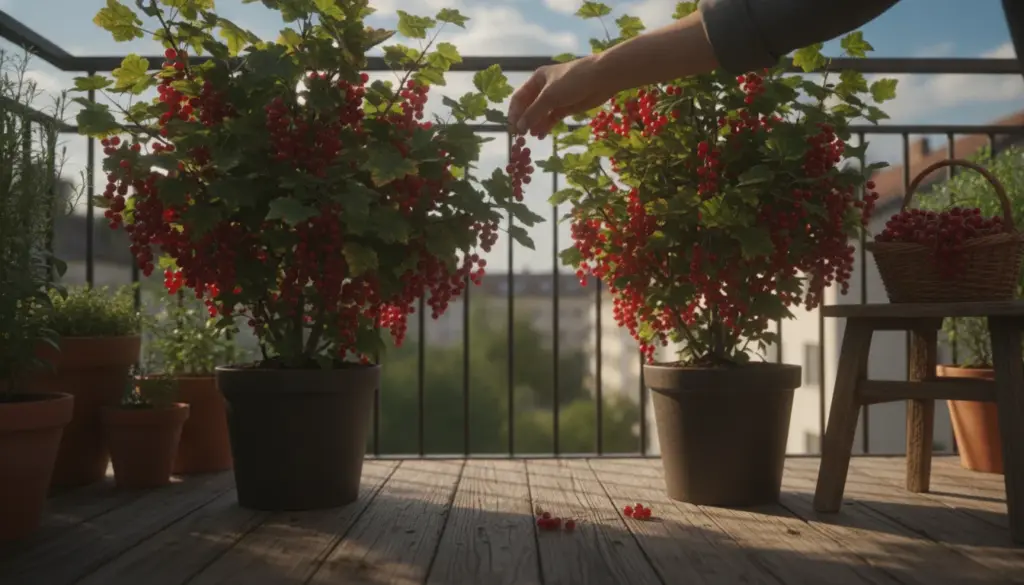
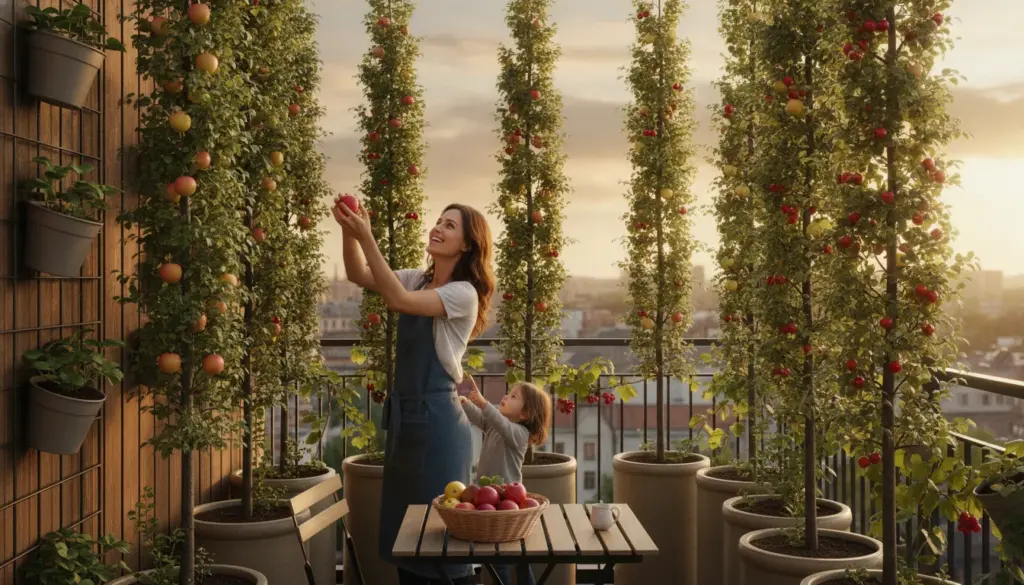
Currently, two vibrant redcurrant bushes call my outdoor space their home. I absolutely adore these potted plants and constantly find myself snapping pictures of them from every conceivable angle throughout the warmer months. Witnessing their gradual transformation from tiny buds to fully ripened fruit is a truly fascinating botanical process.
Watching the redcurrants mature is an absolute delight
The cycle begins in early spring, when delicate panicles emerge, covered in minuscule blossoms. These eventually transition into pale green, unassuming spheres that steadily swell in size as the weeks pass. Returning home after my late spring getaway usually brings a wonderful treat: the very first hint of a soft pink hue appearing on the clusters.
By the middle of June, they achieve their maximum plumpness, creating a striking crimson contrast against the lush foliage. At this stage, timing is crucial. The fruit must be picked promptly before feathered thieves snatch them away or the intense seasonal heat turns them overly mushy.
Harvesting time arrives for the vibrant berries
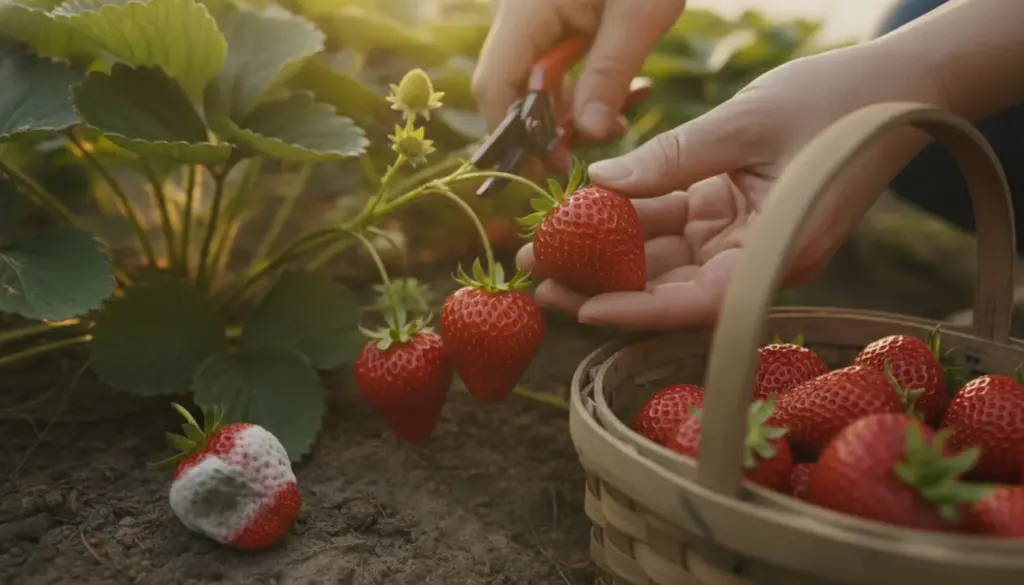
Interestingly, the German name for these fruits is closely tied to St. John’s Day on June 24th, which historically marks the start of the ripening period for early varieties. This date signals the kickoff for gathering these tart, vivid red, and highly nutritious treats. When collecting your bounty, simply snap off the entire stem using your fingertips or a sharp pair of garden shears. Whatever you do, avoid plucking individual spheres, as this will inevitably result in a sticky, squished mess.
During the previous year, the yield from my relatively young potted shrubs was somewhat underwhelming, barely filling half a small bowl. However, this current season has been exceptionally generous. For the very first time, I have gathered enough produce to bake a spectacular, moisture-rich redcurrant meringue cake, which is arguably the ultimate treat for a sweltering summer afternoon.
A quick note from the garden editor
My name is Andrea Stettner, and my daily work revolves entirely around all things botanical. I have a deep passion for writing about the exact challenges I face in my own planting routines. Whether it is mastering the ideal pruning techniques for fruit-bearing shrubs, battling persistent pests, or testing simple home remedies to banish weeds, I cover it all.
Staying informed is key for any plant enthusiast. I regularly compile the most relevant seasonal advice for indoor greenery, patios, and expansive yards alike. By constantly exchanging ideas with horticultural experts, I ensure that only the most reliable, practical guidance makes its way to our gardening community.
Why did some blossoms fail to produce fruit?
Despite the bountiful harvest, there is one slight disappointment: a significant number of potential fruits never actually materialized on the stems. Consequently, several bunches look strangely sparse or incomplete. When I mentioned this mystery to my mother-in-law, a seasoned gardening veteran, she offered a plausible theory. She suggested that heavy winds during the crucial pollination window might have deterred the bees, preventing them from thoroughly visiting every single blossom.
Digging a little deeper into botanical resources revealed another fascinating possibility regarding this sparse growth. Sometimes, shrubs intentionally shed excess blooms as a self-preservation tactic to avoid bearing an unsustainably heavy crop load. Additionally, several environmental factors can trigger this drop-off:
- Unexpected late spring frosts damaging delicate tissue
- Insufficient watering during critical growth phases
- A noticeable lack of essential soil nutrients
Regardless of the exact cause behind this year’s bare spots, I am already eagerly anticipating the next growing cycle. Meanwhile, I will patiently watch my blueberry bushes as they prepare for their late summer finale.