
Whether it is your prized roses, fresh tomatoes, or the lush lawn, the Japanese beetle devours almost everything in its path. Recently, authorities have trapped an alarming number of these destructive insects. Here is what gardeners need to monitor closely right now.
These unwanted hitchhikers frequently travel across borders via cargo ships and airplanes. As its name implies, this insect originates from Japan, but it was first spotted in Germany around 2014 and officially confirmed by 2021. Holidaymakers returning from Switzerland or Italy might even unknowingly transport the pest in their luggage or vehicles. As of June 2026, officials in Hesse are dealing with a significant surge in sightings. In the town of Trebur within the Groß-Gerau district, what started as a mere five discoveries has quickly escalated to more than 200 captured beetles in official traps.
Because this invasive species has the potential to wipe out entire agricultural fields and trigger massive economic losses, it is strictly classified as a quarantine pest. Preventing its further spread is a top priority for agricultural experts. At a quick glance, the iridescent insect can easily be mistaken for native species like the rose chafer or the garden chafer. However, it is crucial to carefully inspect the bugs resting on your vegetables and flowers, as any genuine sightings must be reported immediately.
Invasion Through Potting Soil and Turf
How do these destructive bugs enter our gardens? They are often introduced through the soil of woody plants, hidden inside potted greenery, or even embedded within fresh rolls of turf. While previous years only saw isolated cases, the intervals between these discoveries are shrinking rapidly. Unfortunately, the local climate suits them perfectly, and they face no shortage of food.
With an incredible appetite, this insect feeds on over 700 different plant species. They aggressively consume blossoms, fruits, and foliage. Their feeding leaves behind a highly distinct pattern known as skeletonization, where the leaf tissue is entirely stripped away, leaving only the bare veins hanging on the stem. The menu for these hungry invaders is incredibly diverse and includes:
- Apple trees
- Linden trees
- Strawberry plants
- Asparagus
- Rhubarb
- Rose bushes
- Wisteria
Identifying the Destructive Japanese Beetle
Measuring between 8 and 11 millimeters in length, this insect sports distinctive brown wing covers. While it shares some visual similarities with May bugs and June beetles, a few clear features easily give it away. Its thorax and head display a brilliant, metallic gold-green sheen.
The most unmistakable identifier is a series of five distinct white hair tufts running along each side of its body just beneath the wings, plus two additional tufts on its rear segment. It also has a rather unique defensive quirk: when feeling threatened, the beetle will rigidly extend one pair of legs out to the side.
The larvae, commonly known as grubs, are equally damaging root-feeders. You can distinguish them from native grub species by looking closely at their hind segment, which features a specific V-shaped arrangement of small bristles.
If you suspect you have stumbled across this quarantine pest in your backyard, immediate action is required. Capture the insect—whether dead or alive—and seal it securely in a small glass jar. From there, you must promptly reach out to your regional plant protection authorities to report the find.
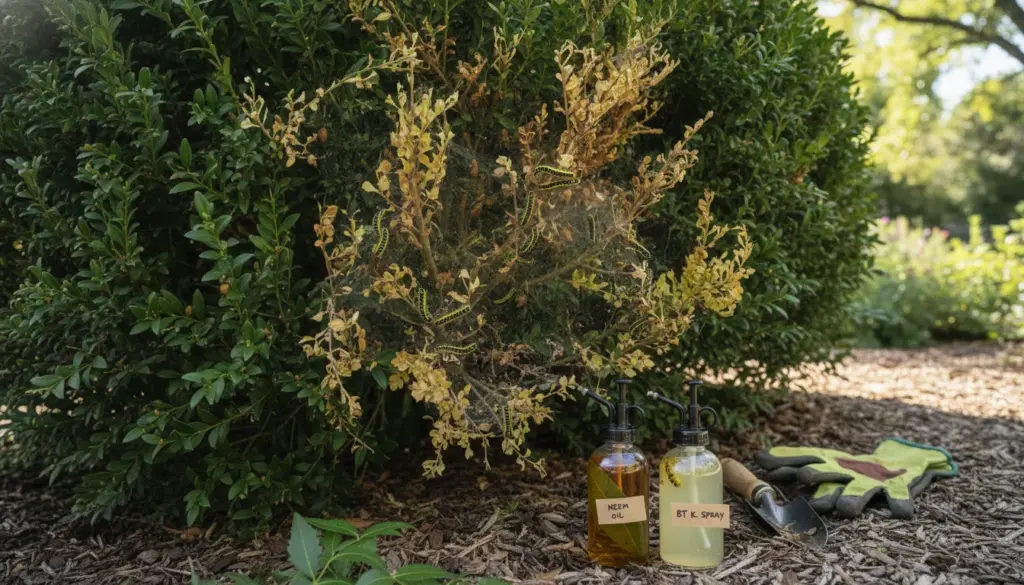
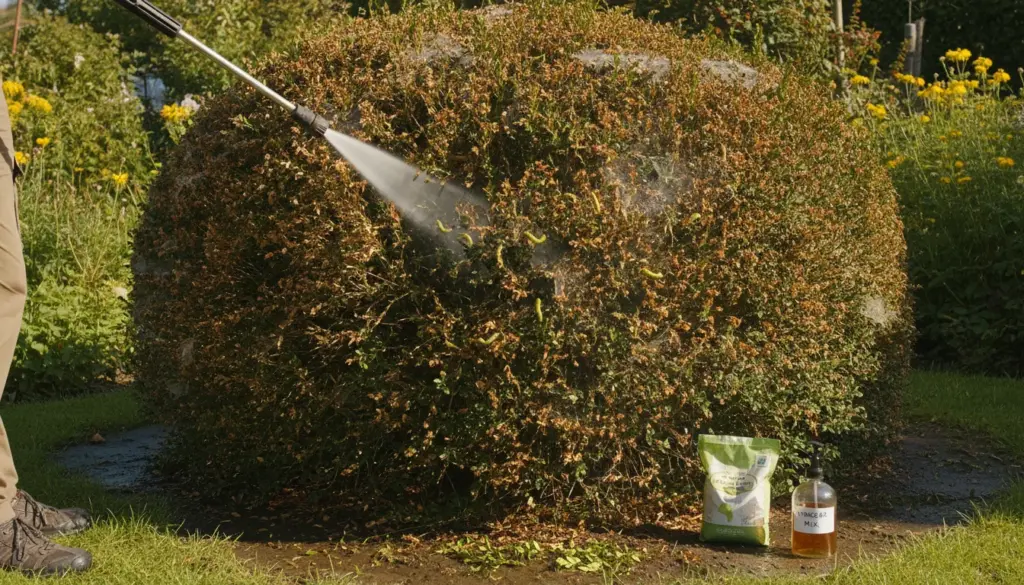
When it comes to professional and targeted eradication, specialists rely on several effective techniques. Beneficial nematodes are often deployed to combat the root-eating larvae deep in the soil. Additionally, fine-mesh netting, mechanical rotary tillers, and specialized neem oil treatments play a vital role in keeping this aggressive pest under control.