
Resting After Sixty Is Vital Feedback, Not a System Failure
Picture a woman in her early sixties waiting at the local bakery. She looks composed in a beautiful coat, quietly holding a pair of croissants. When the cheerful clerk asks if she has exciting plans for the day, she pauses, offers a shy smile, and admits she just wants to rest because she fatigues so quickly these days. An impatient customer behind her dramatically rolls their eyes, as if experiencing fatigue is somehow a personal failure.
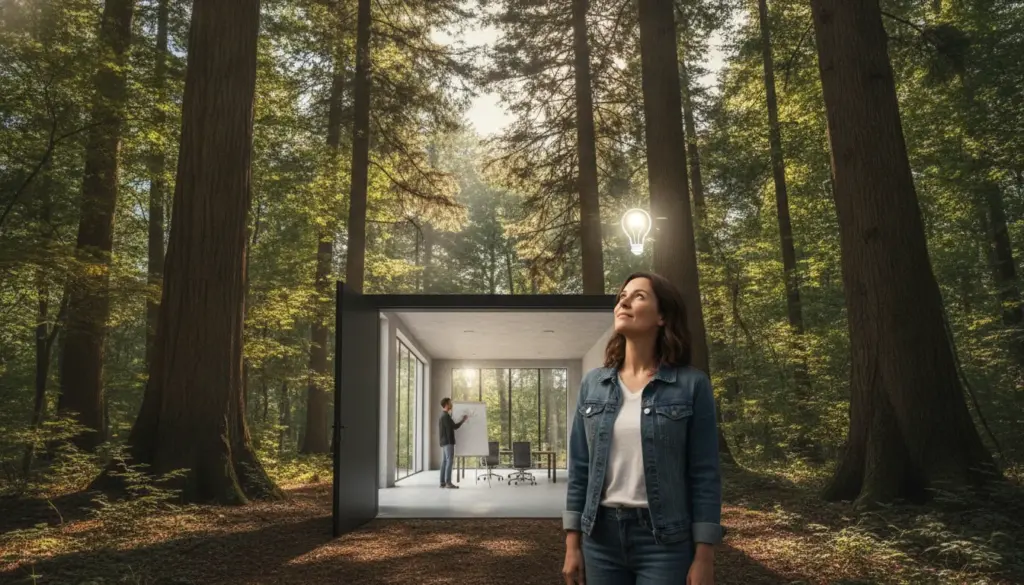
Outside the shop windows, the world rushes by in a blur of delivery riders, buzzing scooters, and pedestrians juggling three tasks at once. Taking a deep breath, the woman gazes up at the sky, her expression betraying a relatable thought: how much longer am I expected to maintain this exhausting speed? We often treat slowing down as a bug that needs fixing, but it might actually be a profound message.
A growing number of individuals crossing the threshold of sixty are echoing the exact same sentiment. They certainly do not feel ancient, yet maintaining the relentless momentum of their younger years has become impossible. Juggling a single day packed with social visits, babysitting grandchildren, and perhaps a bit of caregiving leaves them utterly depleted.
Unfortunately, friends and family often respond with visible discomfort, offering unsolicited advice like, “You have to stay active,” or “Well, we aren’t getting any younger.” This implies that craving downtime is a direct symptom of physical deterioration. In reality, your body is simply setting a firm boundary.
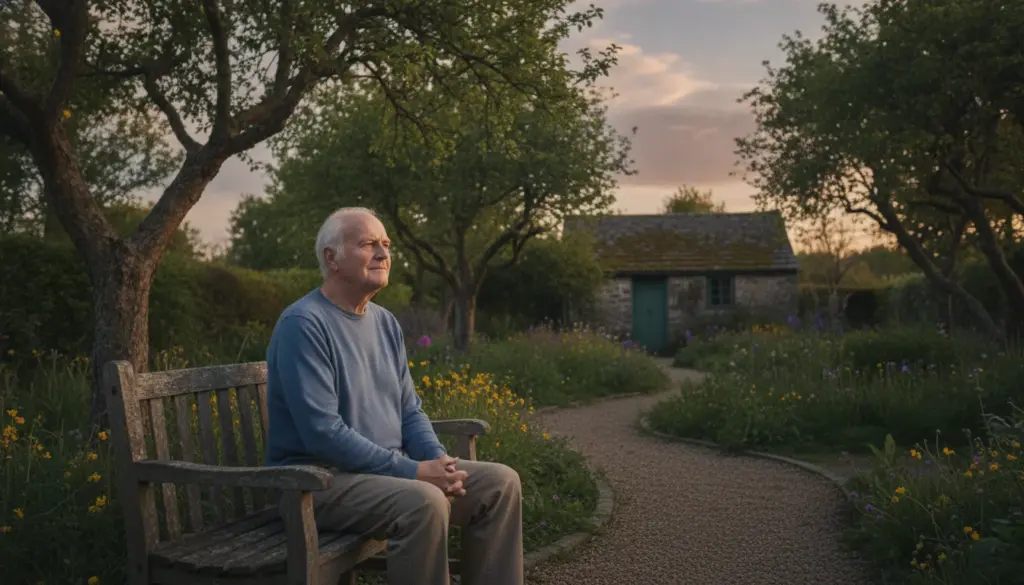
Downtime is not an empty void; it is essential biological data. Your nervous system is communicating that decades of constantly rushing have finally presented a physical invoice. This natural response serves as an important protective warning, rather than a cruel punishment.
The Unseen Burden on the Sixty-Plus Generation
Consider the life trajectory of someone turning sixty-five today. They likely built their careers during an era where excessive overtime was applauded, maternity leaves were hurried, and opting for part-time hours equated to professional sabotage. Alongside these professional pressures, they navigated raising children, supporting aging parents, and weathering complex life events.
Studies highlight that the 60+ demographic currently shoulders an immense societal care burden, effortlessly bridging the gap between remaining in the workforce, nursing elderly relatives, and providing free childcare. Yet, modern society still demands they remain endlessly vibrant—traveling the globe, hitting the gym, and volunteering. True recovery simply does not fit into this curated aesthetic.
Consequently, many older adults harbor an internalized checklist dictating they must remain useful, physically fit, and utterly uncomplaining. They guiltily whisper that they are “becoming lazy” or “making a fuss,” completely ignoring their body’s honest wisdom. That physical exhaustion is not a sign of weakness; it is profound biological intelligence.
Our entire cultural framework revolves around quantifiable productivity. Everything from daily step counts to social media engagement and project deadlines is rigorously tracked. Those who seamlessly keep up are celebrated, while anyone decelerating is forced to justify their pace, as if a human being is merely a piece of technology requiring a software update.
A Quiet Rebellion Against Unrealistic Demands
Craving an afternoon nap or a quiet weekend is not a personal defect. It starkly highlights the expanding chasm between what a human body can sustainably endure and what our modern world extracts. This disparity widens with age, not because individuals lose their intrinsic value, but because our societal expectations refuse to evolve.
For decades, older generations have been instructed to simply “keep up” with the times. They were pushed to master digital landscapes, embrace relentless flexibility, and delay retirement. Now, as their physiology begs for stillness and a gentler rhythm, it feels rebellious.
Choosing to sit quietly is absolutely not an admission of defeat. It serves as a powerful, silent indictment declaring that society’s default speed is fundamentally inhumane.
How to Embrace Slowing Down Without the Guilt
The most practical adjustment you can make is scheduling your downtime with the same reverence as a crucial medical appointment. Block out your calendar with dedicated slots for doing absolutely nothing, treating it as a non-negotiable priority rather than a shameful lapse in productivity. The goal is to rest before you crash, not as a desperate recovery tactic.
Implementing a strict “half-day policy” for high-energy commitments can be life-changing. If you dedicate your morning to entertaining energetic grandchildren, kindly decline any social invitations for that evening. Spread your social engagements out, rather than forcefully cramming every obligation into a single, exhausting weekend.
Get comfortable confidently stating, “I am done for today; this is enough.” Setting this boundary is an ultimate display of self-respect, not a confession of frailty.
A major psychological trap for those over sixty involves comparing their current stamina to their forty-year-old selves. This toxic comparison erases decades of lived experience and the invisible toll of carrying lifelong responsibilities.
We also suffer from a collective compulsion to ensure even our relaxation remains “productive.” While yoga and brisk walks are socially acceptable, simply staring blankly at the living room wall often triggers feelings of failure. Yet, from a physiological standpoint, this aimless drifting is precisely what calms an overstimulated nervous system most effectively.
When that nagging internal voice accuses you of being lazy, offer it some grace. That inner critic was heavily conditioned by a lifetime of productivity worship, but you no longer have to let it steer your decisions. As one patient recently shared after a cardiology visit, his doctor challenged him to prove he was capable of stopping, rather than proving he could keep going—a paradigm shift that completely transformed his perspective on aging.
Designing Your Day Around Your Energy
To structurally protect your vitality, try dividing your waking hours into three distinct energy blocks: morning, afternoon, and evening. If you routinely schedule demanding activities into all three blocks, you are practically guaranteeing end-of-week burnout.
Instead, intentionally select a maximum of two active blocks per day.
- Mornings: Reserve this time for tasks demanding sharp mental concentration.
- Afternoons: Allocate these hours for social visits, errands, and practical chores.
- Evenings: Dedicate this entirely to gentle recovery and a deliberately soft pace.
This strategy brilliantly shifts your mindset away from desperately clinging to your past momentum. You begin asking how to intentionally construct a routine that honors your current physiology. This is not a story of physical decline; it is a masterclass in lifestyle design.
What Your Exhaustion Reveals About Modern Society
When a sixty-two-year-old returns home utterly drained after a standard shift, we lazily chalk it up to “aging.” Look a little closer, however, and you will notice they are expected to match the exact same output metrics as a twenty-eight-year-old who benefits from flawless sleep and zero physiological wear-and-tear. That expectation is a corporate policy issue, not a biological failure.
We have carefully engineered a culture where human worth is inextricably tied to constant motion. Value is measured by hours logged, projects delivered, and fully booked calendars. While society permits relaxation during sanctioned luxury vacations or wellness retreats, indulging in a simple midday rest still carries a heavy stigma for adults of any age.
The amplified need for downtime later in life simply exposes this deep-seated cultural flaw. It proves that basic human needs were always squeezed out of the equation; younger people are just slightly better at masking the strain.
We have all experienced that jarring moment when the physical body slams on the brakes while the mind desperately attempts to push forward. By the time you reach your sixties, this harsh contrast becomes undeniably visible. It becomes glaringly obvious that the modern baseline speed is entirely unsustainable.
Let us be brutally honest: nobody perfectly balances it all. Trendy corporate advice regarding mindfulness breaks and stepping away from screens sounds beautiful in theory, but it shatters against the reality of strict quotas, unyielding rosters, and mounting expectations—especially for those forced to delay retirement.
This is where the quiet resistance takes root. An unscheduled afternoon nap, a cheerfully canceled appointment, or the decision to retire a year early are all micro-rebellions. They are not acts of defiance against the younger generation or the concept of hard work; they are a rejection of a tempo that was never meant for human beings.
Perhaps the sixty-five-year-old who starts setting firm boundaries is not the weakest link, but rather the crucial messenger. They act as the proverbial canary in the coal mine for our productivity-obsessed culture. Their profound fatigue tells a cautionary tale that the rest of society will inevitably have to confront.
Truthfully, individuals in their thirties and forties are already feeling the cracks within this relentless system. The older generation is simply a few stops further down the same track. Observing and respecting their need to slow down is essentially peering into our collective future, and perhaps locating the exit door to a deeply dysregulated era.
Embracing a slower pace after sixty is not an individual puzzle to solve. It is a brilliant invitation to completely redraw the rules of the game. We desperately need fewer frantic sprints and significantly more breathing room.
You do not have to navigate this transition in isolation. Start open conversations within your family dynamic or community groups. What if claiming your right to rest is not the end of your vibrant story, but the exact plot twist required to truly enjoy it? The most revolutionary form of progress might just be the courage to unapologetically claim your right to be tired.
Frequently Asked Questions About Aging and Energy
Is it completely normal to fatigue more quickly once I cross my sixties?
Absolutely. Your physiological recovery slows down, your energetic reserves naturally decrease, and the cumulative burden of decades of living takes its toll. Feeling exhausted is not a testament to personal failure; it is the physical footprint of a lifetime of hard work and dedication.
How should I communicate my need for downtime to my family and friends?
Clarity is your best tool. State your boundaries plainly by saying something like, “I would love to attend, but I will be heading home at 9:00 PM.” Keep the focus on your personal limits without offering excessive apologies or feeling pressured to invent a fictitious medical excuse.
Will declining social invitations lead to deep isolation and loneliness?
Not at all. It is entirely about finding a sustainable equilibrium. By cutting out obligatory social events that drain you, you create space to invest heavily in the meaningful connections that actually replenish your spirit. Focus entirely on the quality of your interactions rather than the sheer volume.
Should I be concerned that my sudden lack of energy points to an underlying illness?
If your exhaustion appears abruptly, feels extremely severe, or is accompanied by chest pain, shortness of breath, or unexplained weight loss, scheduling a prompt medical consultation is crucial. However, a slow, gradual increase in your desire to relax is typically just a natural byproduct of aging combined with your current lifestyle pace.
What is one small change I can implement immediately without overhauling my entire life?
Identify just one specific moment today where you would normally force yourself to “push through” the brain fog. Swap that forced momentum for a genuine ten-minute break away from any stimulation. Additionally, try experimenting with limiting yourself to just two active energy blocks tomorrow, instead of your usual three.