Scorching summers and erratic rainfall are becoming the new normal, leaving traditional yard designs struggling to survive. A spokesperson for the Nature and Biodiversity Conservation Union (NABU) recently detailed how homeowners can gradually transform their green spaces to withstand these shifting conditions.
After enduring weeks of bone-dry weather, sudden torrential thunderstorms often flood our yards. Many passionate gardeners are realizing that their usual planting methods simply cannot cope with these harsh extremes. Grass areas quickly turn brown, while delicate ornamentals barely survive without a non-stop sprinkler system. Silvia Teich, a Berlin-based press representative for NABU, recently shared her insights on creating a landscape that actually embraces these volatile weather patterns.
The Garden of Tomorrow: Surviving Extreme Weather Conditions
When preparing outdoor spaces for a changing climate, most people immediately worry about drought. However, treating the issue solely as a water shortage misses the bigger picture, according to Teich.
“Adapting our landscapes involves much more than battling heat and dry spells. Extreme weather events, such as fierce storms and flash floods, are increasing due to climate change. Gardeners must carefully consider these factors when selecting plants and designing their layouts,” she emphasizes.
A truly resilient yard has to juggle multiple roles at once. It needs to thrive on significantly less watering, naturally cool the surrounding air, and act like a sponge to absorb sudden downpours. Consequently, heavily paved patios and barren gravel gardens are quickly becoming major liabilities.
Thirsty Plant Classics Are Facing a Tough Future
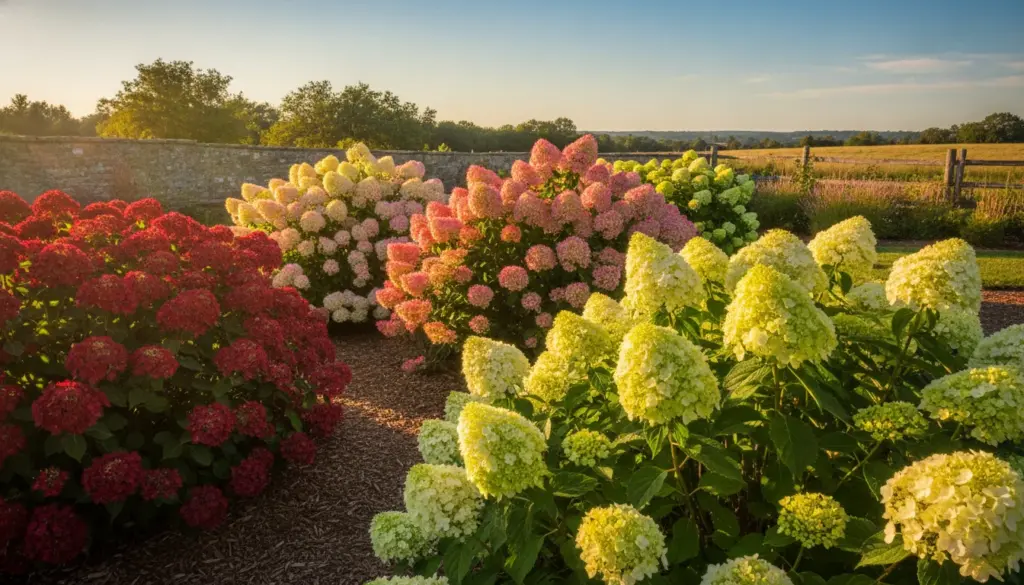
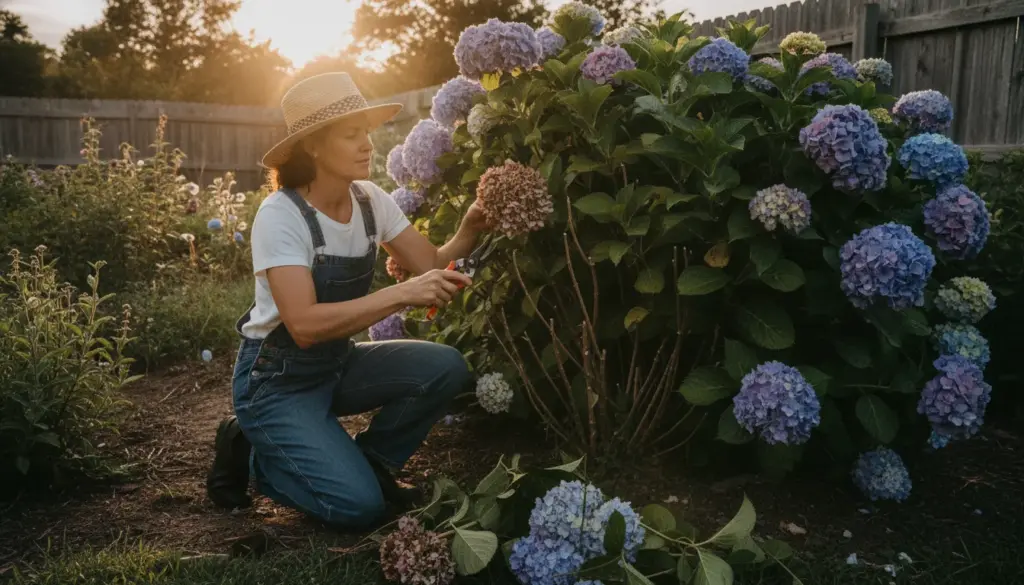
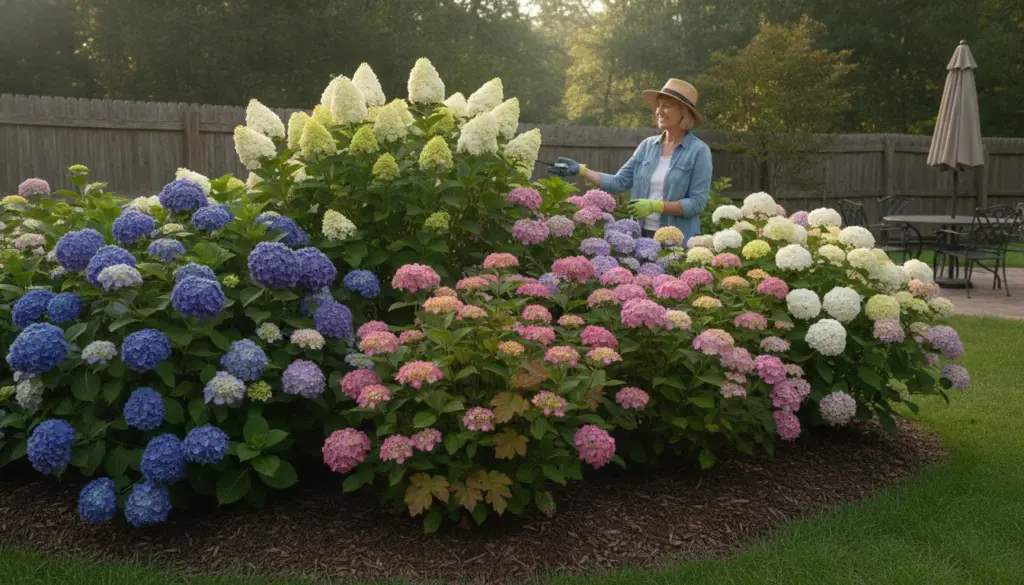
Species that rely on massive, regular drenchings to look presentable are now at a distinct disadvantage. This is exactly where a shift in our planting mindset is required. Teich specifically advises against incorporating high-maintenance, thirsty varieties like hydrangeas. During peak summer temperatures, these beloved shrubs often demand daily soaking—an unsustainable effort as water becomes increasingly precious.
Common trouble spots in traditional landscape designs typically include:
- Sprawling turf grass lawns that scorch quickly and swallow immense amounts of water
- Broad-leafed perennials and thirsty ornamental shrubs planted in direct, unforgiving sunlight
- Extensively paved driveways, walkways, and seating areas that force valuable rainwater into the sewer
Taking a step-by-step approach to rethink these conventional choices and explore hardy alternatives is highly recommended.
Selecting Plants That Flourish in the Heat
Fortunately, transforming your yard does not mean sacrificing beauty. Numerous stunning plant species actually prefer dry spells and provide vital nourishment for local insects. For a vibrant, resilient display, specific drought-tolerant bloomers are highly suggested:
- Wild Oregano (Dost): An incredibly robust option that thrives in blazing sun while attracting countless pollinators.
- Meadow Clary: The perfect addition to natural or cottage-style beds, offering a delightfully long, low-maintenance blooming season.
- Viper’s Bugloss: Flourishes in poor, parched soils and serves as an abundant nectar source for wildlife.
Gradually swapping out moisture-loving plants for these sun-worshipping perennials is an excellent strategy. They work beautifully in established flower borders, along sun-drenched fence lines, or as vibrant replacements for struggling patches of lawn.
Using Your Yard as a Natural Air Conditioner
When properly designed, a climate-smart property will feel noticeably cooler during peak summer than a heavily paved lot. The secret formula relies entirely on maximizing lush greenery and creating deep shade.
“A garden that actively cools its environment needs to be exceptionally green and offer plenty of canopy cover. That immediately rules out the current trend of sterile gravel gardens,” the expert points out.
Rather than relying on crushed stone and rocks, a far better approach involves introducing specific natural elements:
- Native Shrub Hedges: Planting species like blackthorn, elderberry, or Cornelian cherry helps break drying winds, provides deep shade, and shields the topsoil from rapid evaporation.
- Herbal Lawns and Wildflower Meadows: These serve as a brilliant alternative to strictly manicured turf, as they retain moisture much longer and easily brush off intense heat waves.
- Diverse Perennial Borders: Incorporating a wide variety of native species ensures the overall ecosystem remains incredibly stable when subjected to environmental stress.
- Wall-Climbing Vines: Allowing greenery to scale building facades creates a cooling buffer zone that directly improves the microclimate around the home.
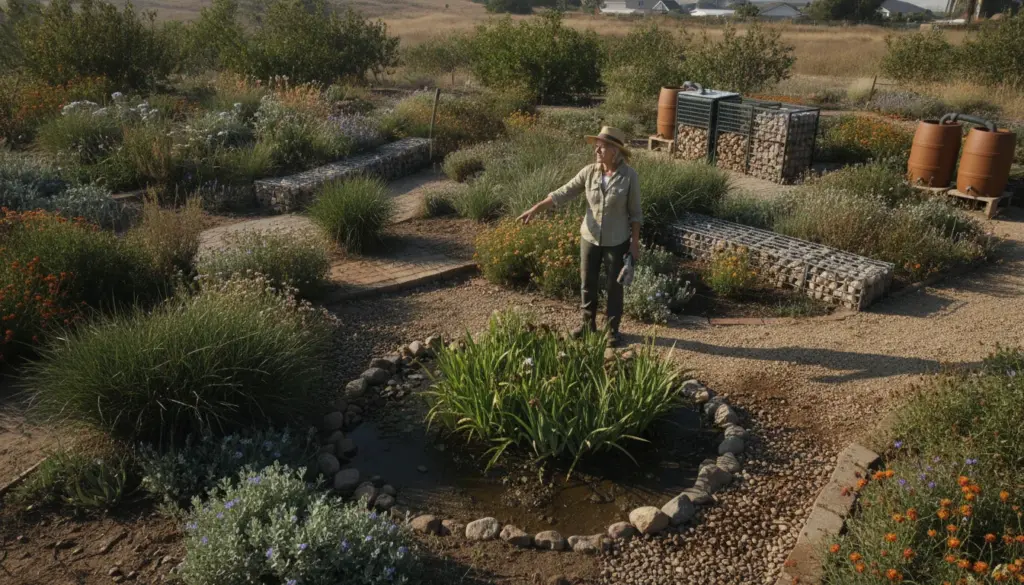
Whenever feasible, removing hard paving should be a top priority. Opting for permeable pathways, allowing greenery to grow between paving stones, and creating sunken beds ensures that rainwater is captured and stored deep underground. This strategic reserve keeps plants hydrated during extended dry spells instead of simply washing down the storm drain.
Expert Insights for Everyday Gardening
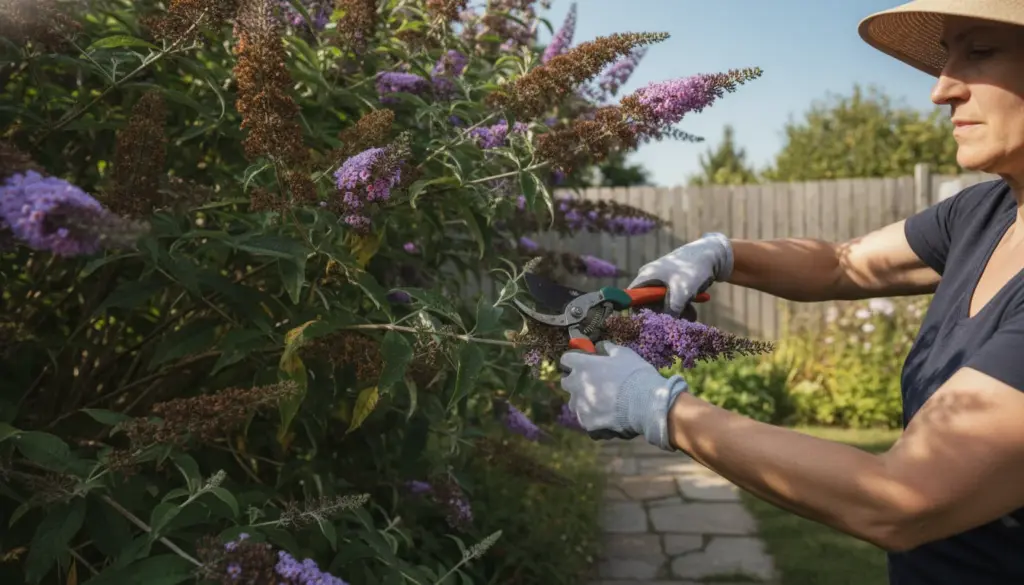
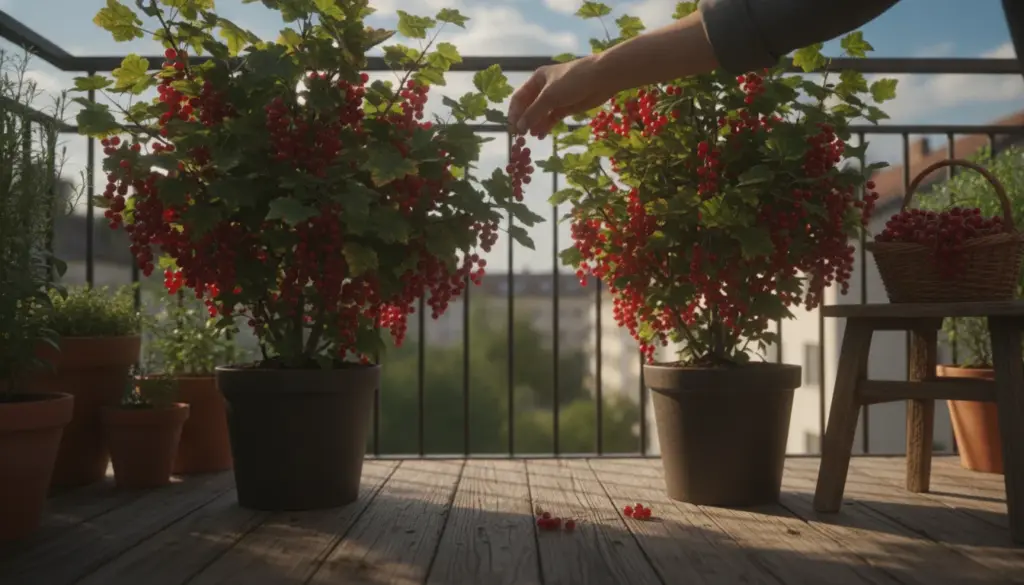
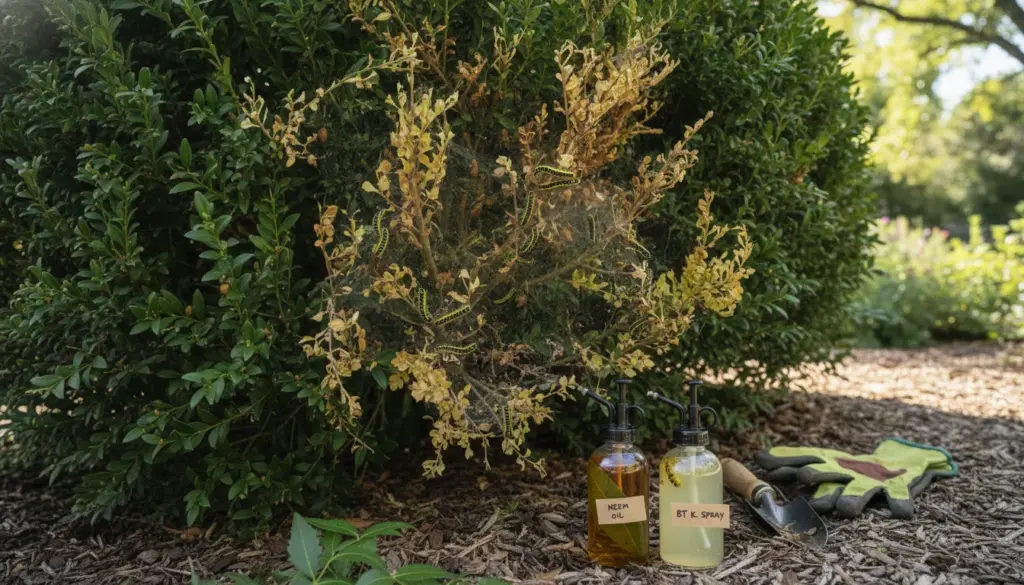
Dealing with everything that grows and blooms requires a daily passion for horticulture. Sharing practical solutions for everyday yard challenges—from pruning berry bushes and managing pesky insects to finding natural weed remedies—helps homeowners thrive. By exchanging knowledge with landscape professionals, we can discover the most effective strategies for keeping our outdoor spaces vibrant and healthy.
Climate-Ready Gardens Benefit Everyone
Overhauling your entire property to handle future heat waves does not have to happen overnight. The most effective approach is to make small, deliberate changes each season. Whether it is letting a patch of grass grow into a wild meadow, swapping out a heavily water-dependent shrub, or pulling up a few patio stones to plant groundcover, every step counts. Over time, these gradual shifts will cultivate a stunning landscape that effortlessly survives torrential downpours and blazing heat, while offering a thriving sanctuary for local wildlife and a relaxing retreat for yourself.