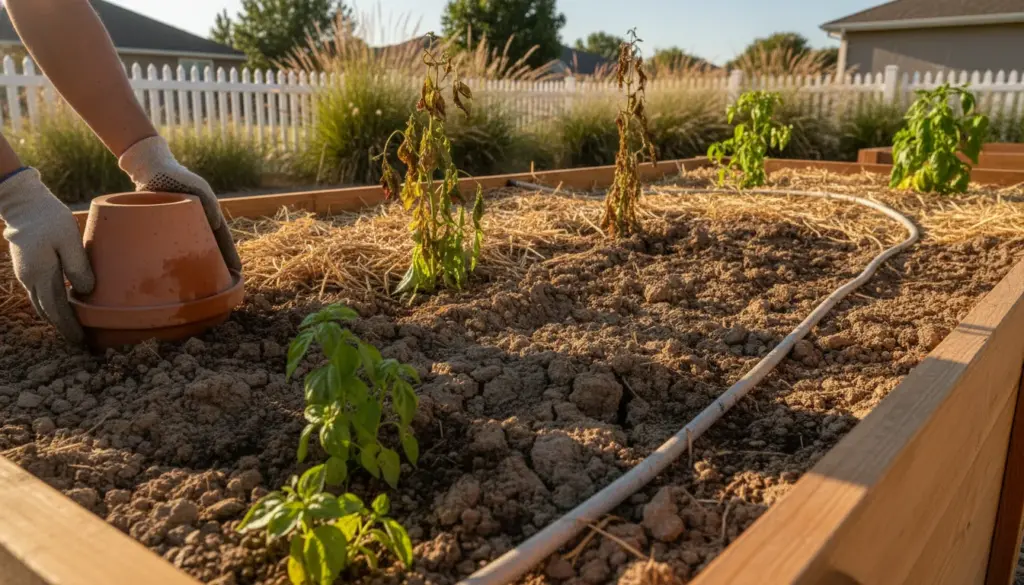
Summers are growing warmer, and unpredictable rainfall is leaving traditional garden plants struggling to survive. Between weeks of punishing drought and sudden, violent thunderstorms, many backyard enthusiasts are noticing their usual landscaping methods failing.
Brown, scorched grass and delicate ornamentals now demand endless watering just to stay alive. According to Silvia Teich, a spokesperson for the German Nature and Biodiversity Conservation Union (NABU) in Berlin, creating a landscape that shrugs off these harsh conditions requires a fresh approach.
Future-Proof Gardens: Heat Resistance Must Meet Extreme Weather
When we think about preparing our outdoor spaces for the climate, water shortages usually come to mind first. However, this perspective is too narrow.
Adapting a yard isn’t solely about battling high temperatures and dry spells. Severe weather events, such as intense storms and torrential downpours, are also becoming much more frequent. Cultivators need to keep these unpredictable extremes in mind when planning their layouts and selecting vegetation.
A truly resilient landscape has to multitask effortlessly. It needs to thrive on less irrigation, naturally cool the surrounding air, and soak up heavy rains rather than letting moisture wash away. In this new reality, paved areas and rock-filled yards become significant liabilities.
Thirsty Garden Classics Face a Tough Future
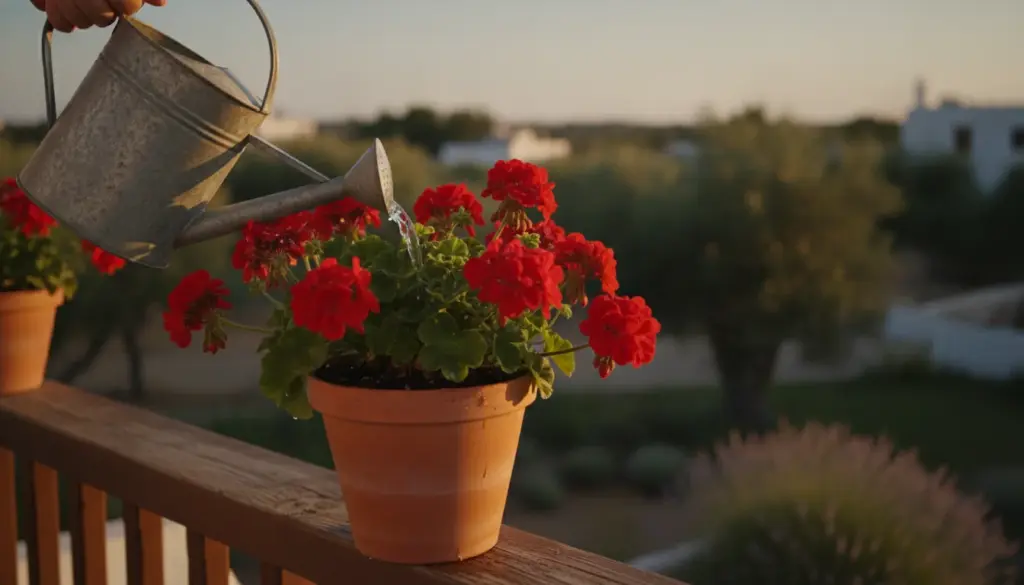
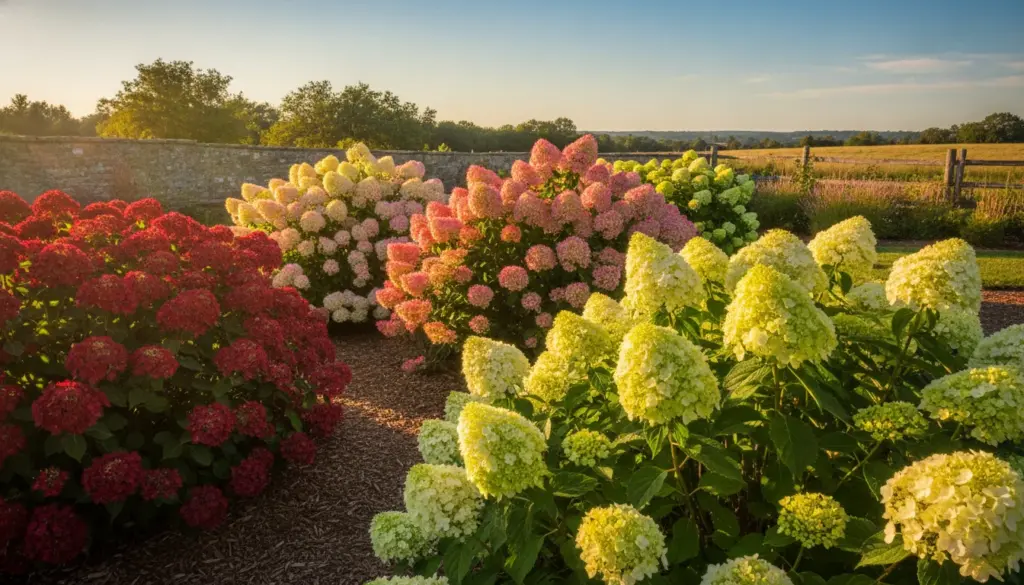
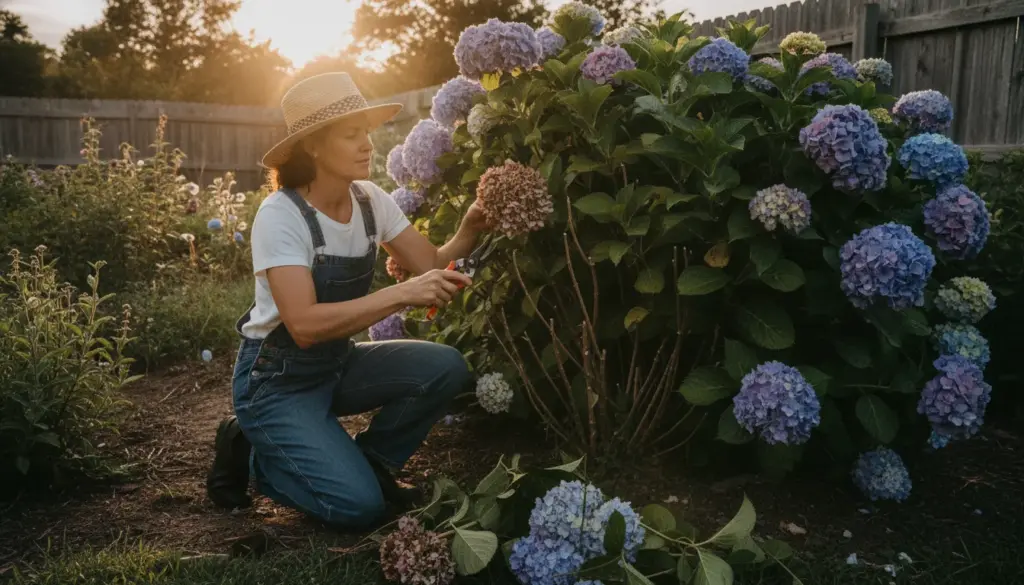
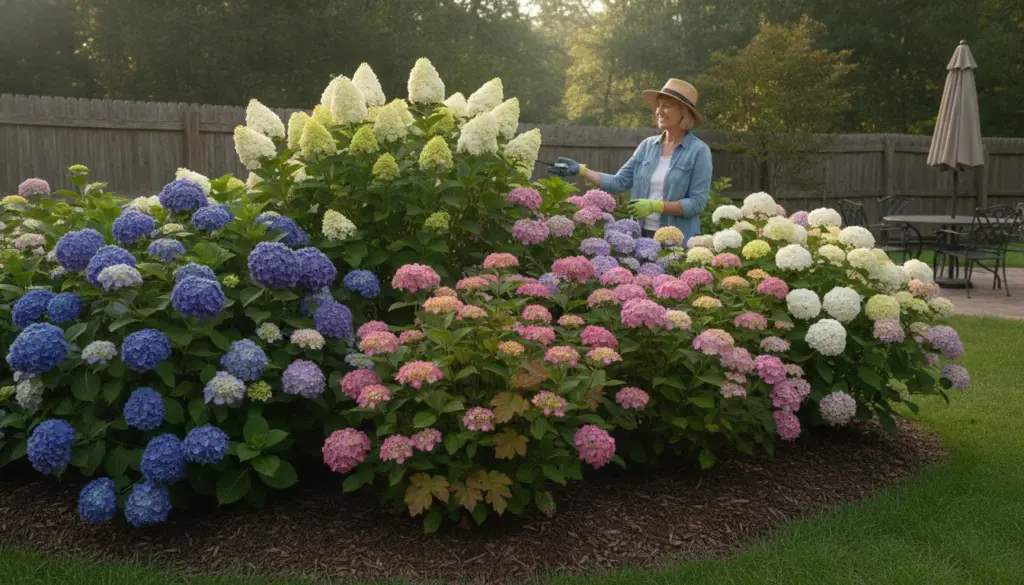
Flora that requires massive amounts of moisture to look vibrant is becoming increasingly problematic. This is exactly where a shift in perspective is necessary. Experts strongly advise against planting highly demanding species like hydrangeas.
During scorching summer months, these thirsty shrubs often require daily dousing. That level of maintenance is simply outdated as water becomes more scarce. The most common trouble spots in traditional yard designs include:
- Vast, uniform lawns that scorch easily and demand constant hydration to stay green.
- Water-intensive ornamental bushes and large-leaved perennials planted in direct sunlight.
- Heavily paved walkways, patios, and driveways that cause precious rainwater to run off immediately.
Taking a step-by-step approach to rethinking these areas and finding smarter, drought-proof alternatives pays off immensely.
Plants That Easily Handle the Heat
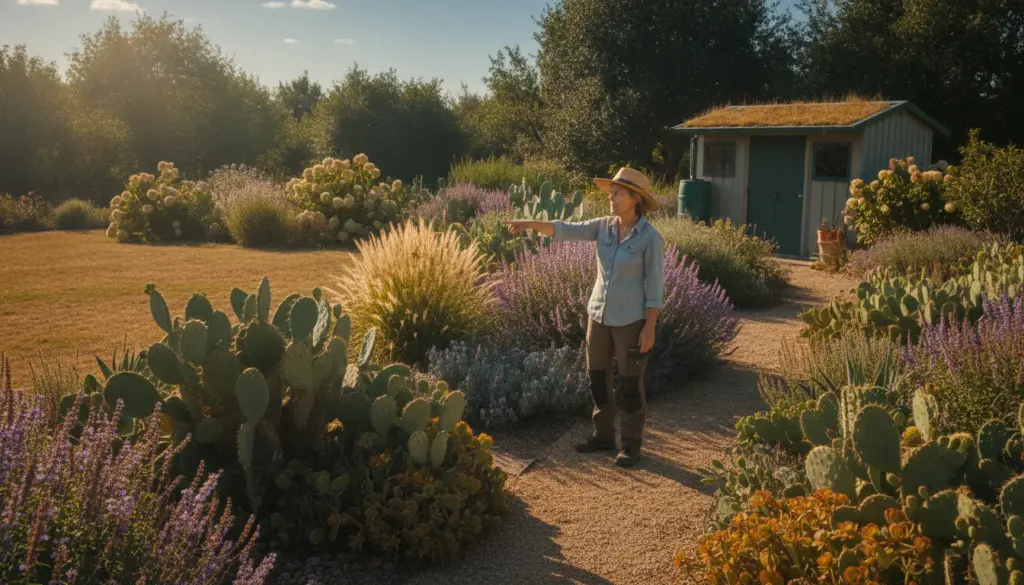
Fortunately, numerous stunning plant varieties actively resist drought while simultaneously supporting local insect populations. Focusing on flora that tolerates dry soil is highly recommended. Some standout options include:
- Wild oregano: An incredibly robust sun-lover that draws in countless pollinators.
- Meadow clary: The perfect addition to cottage or natural landscapes, offering a long blooming period with minimal maintenance.
- Viper’s bugloss: Thrives flawlessly in poor, dry soil conditions while producing abundant nectar.
You can slowly swap out your most water-dependent plants with these hardy perennials. They work beautifully in existing flower beds, over former grass patches, or along sun-baked fence lines.
Transforming Your Yard Into a Natural Air Conditioner
A properly adapted outdoor space should actually feel noticeably cooler during the summer than a highly paved, conventional property. The secret lies in maximizing greenery and shade.
To lower the ambient temperature, a yard must be lush and offer plenty of canopy cover. This completely rules out the trendy but problematic gravel gardens. Instead of spreading pebbles and rocks, consider these natural cooling strategies:
- Planting native hedges using species like cornelian cherry, elderberry, or blackthorn. These natural barriers slow down hot winds, cast cooling shadows, and keep the earth from baking dry.
- Growing wildflower meadows or herbal lawns instead of keeping grass cropped short. These diverse mixes hold onto moisture longer and handle scorching days with ease.
- Cultivating diverse perennial beds filled with native varieties. The more biodiversity you have, the more resilient your entire garden becomes to environmental stress.
- Training climbing plants up walls and facades to provide shade for buildings and drastically improve the microclimate around your home.
Wherever possible, prioritize removing impermeable surfaces. Swapping solid concrete for porous pathways, planting greenery in paving joints, and building garden beds that capture and hold rainwater in the soil will make a huge difference. This stored moisture becomes a vital lifeline for your plants during dry spells, rather than washing uselessly down the storm drain.
Climate-Smart Gardens Benefit Plants, People, and Wildlife
Preparing your property for future heatwaves doesn’t mean you have to tear everything up today. Starting small and making one or two consistent changes annually is highly effective.
You might convert a small patch of grass into a pollinator meadow, swap out a single thirsty bush, or remove a few paving stones to expose the earth. Over time, these incremental shifts will grow into a robust oasis that easily shrugs off severe heat and heavy rainfall, slashes your watering chores, and creates a vibrant sanctuary for both nature and yourself.