A Surprisingly Simple Spring Ritual
A growing number of gardening enthusiasts are turning to an incredibly straightforward method involving leftover coffee grounds to nourish their raspberry bushes. Forget about pricey commercial fertilizers or complex feeding schedules. A quick, targeted springtime ritual is all it takes to encourage fuller, healthier, and highly productive shrubs.
Why Raspberries Can Be Temperamental
While they might look like low-maintenance plants, raspberry bushes can actually be quite picky. You might enjoy an abundant crop one season, only to face a disappointing yield the next. This inconsistency happens because these fruiting canes are highly sensitive to specific environmental conditions.
To thrive, they require:
- The correct soil structure and acidity levels
- Consistent moisture without ever becoming waterlogged
- Regular nutrient boosts, particularly during the spring growth phase
- Adequate airflow circulating between the individual canes
In many average backyards, the earth is slightly too dense or lacking in vital nutrients. When root systems are deprived of oxygen and essential food, the plant simply lacks the energy to produce large amounts of fruit. This is exactly where the clever coffee cup method proves its worth.
How the Coffee Cup Strategy Works
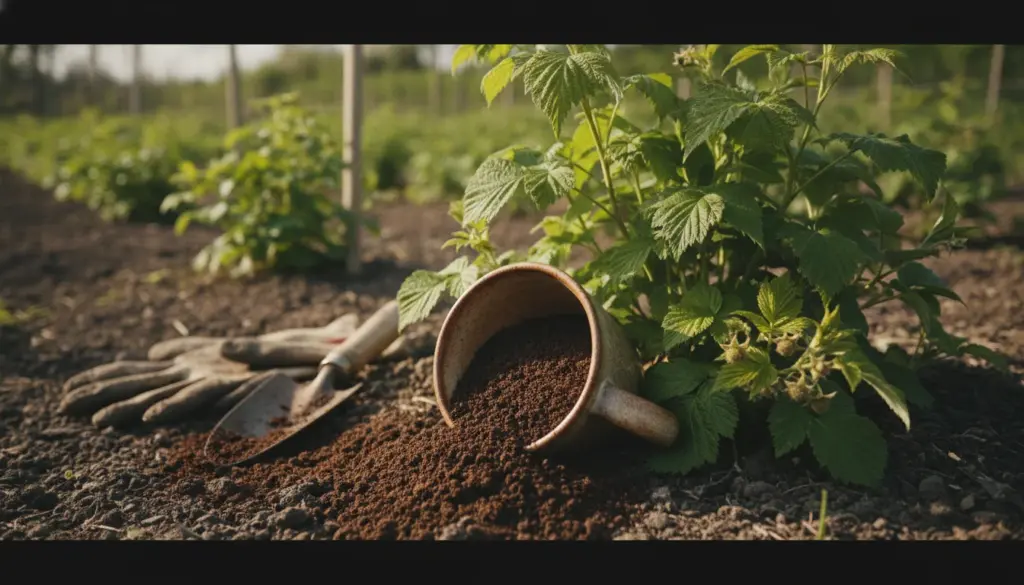
At its core, this approach is remarkably simple. Instead of washing your morning coffee waste down the drain, you repurpose the grounds from a single cup as targeted nourishment for your fruit bushes. These brewing leftovers are naturally rich in essential minerals that raspberries eagerly absorb for vigorous growth.
By sticking to a standard cup as your measuring tool, you prevent accidental over-fertilization. Applying too heavy a layer can actually cause the surrounding earth to become overly acidic and dangerously compacted.
The Nutritional Power of Leftover Grounds
The secret behind this success lies in the chemical makeup of the brewing waste. The residue left in your filter is a fantastic, nutrient-dense resource for your garden.
Here is what a simple cup of grounds provides:
- Nitrogen: Promotes lush foliage and robust, healthy shoot development.
- Potassium: Essential for successful blooming and strong fruit set.
- Trace elements: Minerals like phosphorus and magnesium bolster the overall resilience and immunity of the shrub.
Supplying small, regular doses of this organic matter feeds the earth gently and consistently. This completely avoids the sudden chemical shock often caused by synthetic fertilizers.
Furthermore, the granular texture of dried grounds helps loosen the topsoil. This allows excess water to drain away effectively while retaining just enough ambient moisture—creating the ideal damp, but never soggy, environment that berry bushes crave.
An Unexpected Bonus: Natural Pest Deterrence
As an added benefit, this technique helps keep various garden pests at bay. Many small intruders are naturally repelled by both the strong scent and the gritty texture of the grounds. Slugs, certain ant species, and specific grubs tend to avoid crawling over these acidic granules.
Scattering this material around the base of your plants creates a physical, natural barrier. While it isn’t a completely foolproof shield, it often makes a massive difference during wet spring months, which is exactly when hungry slugs typically devastate tender young shoots.
Applying the Grounds Safely
Proper dosage and application are crucial to avoid inadvertently harming your bushes. Keep these expert guidelines in mind to maximize your harvest:
- Apply in moderation: Use small amounts over several occasions rather than dumping a massive pile all at once.
- Dry them first: Always allow the grounds to dry completely beforehand to minimize the risk of fungal growth.
- Protect the stem: Leave a small, clear buffer zone directly against the main base of the plant to prevent rot.
- Blend the excess: If you generate a surplus of daily coffee waste, blend it into your compost pile or mulch instead.
A light dusting nourishes the root zone, whereas a thick, cakey crust will suffocate it. The measurement of one cup per individual shrub is usually the perfect amount.
Nailing the Perfect Timing
Timing significantly impacts your overall fruit production. The optimal window for application spans from the beginning of the growing season until right before the blossoms open.
Start with an initial feeding in early spring just as the new canes begin to sprout. Follow up around April or May with a second, modest application to sustain their momentum. If the shrubs appear somewhat weak, a final, light scattering in early summer can give them a necessary boost.
Always water the area thoroughly after applying, particularly during dry spells. Moisture helps transport the nutrients down toward the root system, preventing the granules from just sitting uselessly on the surface.
Maximizing Results with Companion Care
Gardeners who pair this hack with fundamental care practices witness the most dramatic results. Pruning away old wood after the harvest season ensures fresh shoots receive plenty of vital sunlight. Applying a supportive layer of organic mulch, such as straw or wood chips, helps lock in soil moisture during hot weeks.
Additionally, ensure your bushes are planted in a well-ventilated location—avoiding harsh wind tunnels as well as damp, stagnant corners. Proper spacing between plants is also vital to drastically reduce the likelihood of fungal diseases.
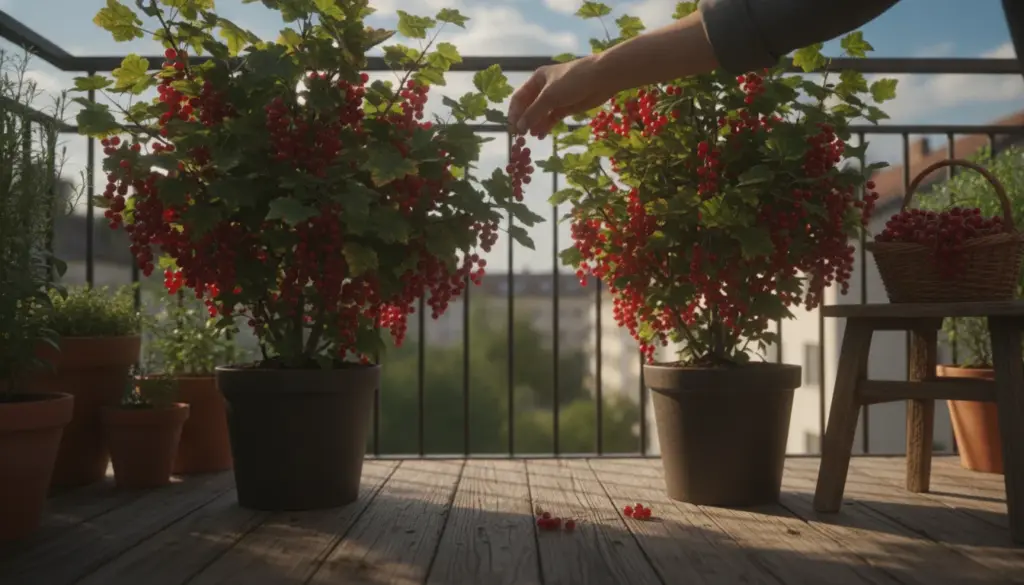
If you are growing on a balcony, this technique works wonderfully for container gardening too. Just guarantee excellent drainage at the bottom of a large pot and select a slightly acidic potting mix designed specifically for berries.
A Free Fertilizer for the Whole Garden
This clever routine benefits a variety of other acid-loving and fruiting species. Blueberries, strawberries, blackberries, and ornamental shrubs like rhododendrons also respond beautifully to this treatment. Simply use the same single-cup measurement as a baseline and monitor how your specific plants react.
Returning these organic remnants to your garden reduces household trash and lessens reliance on artificial chemicals. It is a brilliant, zero-cost way to implement circular gardening.
A quick word of caution for pet owners: Certain dogs have sensitive digestive systems and may react poorly if they consume large amounts of coffee grounds straight from the garden beds. Never leave massive piles exposed, and keep a close eye out to ensure your dog isn’t licking or digging at the freshly treated soil.
By saving your morning brew remnants now, you can stockpile a generous supply. Applying just a few cups per bush at the ideal times transforms an average berry patch into a thriving, heavy-yielding thicket that provides fresh fruit for weeks on end.