Why Skunks Decide to Move In
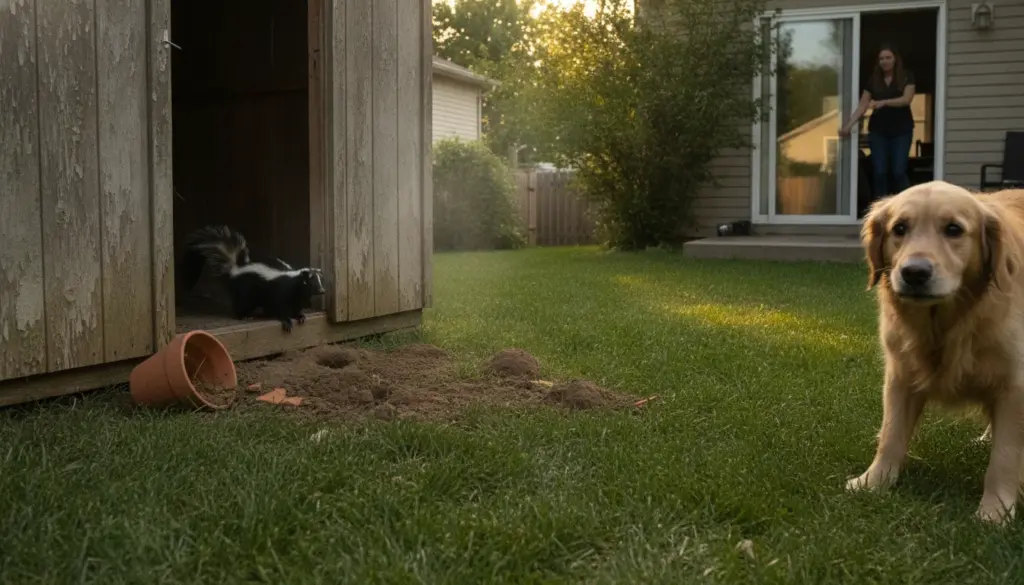
These black-and-white visitors rarely stop by just once. If a skunk decides to set up camp beneath your deck or garden shed, a peaceful backyard can quickly turn into a frustrating disaster zone. You might wake up to a lawn riddled with holes, a lingering foul odor permeating your home, and pets that constantly find themselves in smelly encounters. Fortunately, by applying a smart mix of exclusion, deterrence, and prevention, you can effectively tackle this nuisance without causing the animal any unnecessary distress.
These nocturnal mammals do not just wander onto your property by accident. They follow a highly predictable set of rules, searching for adequate food, a secure hiding spot, and minimal human disturbance. If your outdoor space offers this golden trio, you have unknowingly created a highly attractive habitat.
Their Favorite Backyard Buffets
Because they are opportunistic omnivores, these creatures are highly adaptable and incredibly persistent foragers. When roaming your property, they are actively hunting for:
- Grubs and lawn larvae hidden just beneath the grass.
- Snails, spiders, and various insects lurking in your flower beds or vegetable patches.
- Small rodents scurrying around woodpiles and storage sheds.
- Fallen fruit decaying beneath apple, plum, or pear trees.
- Poorly secured garbage bins, compost scraps, and ripped trash bags.
If you step outside in the morning and notice distinct, cone-shaped indentations scattered across your turf, a hungry visitor was likely digging for grubs under the moonlight.
Ideal Hiding Spots
Besides a steady diet, these animals desperately need a quiet refuge to sleep during the day and raise their offspring. They typically gravitate toward specific architectural and natural features:
- Hollow cavities under patios, wooden decks, and porches.
- Unsealed foundation gaps and accessible crawlspaces.
- Overgrown corners, dense shrubbery, and neglected brush.
- Debris mounds or stacked firewood resting against property lines.
Because they are creatures of habit, they generally stick to established trails between their den and their favorite feeding grounds. Musky odors, visible paw prints, and fresh droppings containing seeds or insect fragments are clear indicators of an active resident.
Sealing the Perimeter: No Entry, No Problem
The absolute most reliable strategy for keeping unwanted wildlife at bay requires physical exclusion. This approach demands a thorough property inspection and a little bit of manual labor with a shovel.
Spotting Vulnerable Areas
Take a slow walk around the exterior of your home and pay close attention to potential entryways. Look specifically for:
- Damaged ventilation grates or cracks in the main foundation.
- Narrow gaps underneath garden sheds, cabins, or utility structures.
- Hollowed-out spaces beneath fence lines and heavy wooden gates.
- Openings surrounding drainage pipes, utility cables, and exhaust vents.
It is crucial to remember that these flexible critters can squeeze through an opening as small as four inches (ten centimeters). A tiny crevice that seems insignificant to you might look like an inviting front door to a foraging animal.
Building Effective Underground Barriers
You can prevent significant yard damage by installing heavy-duty wire mesh. Burying this material in an L-shaped trench barrier is a highly practical technique. This specific configuration stops determined diggers from simply tunneling straight underneath your fence or foundation.
Handling the Spring Breeding Season
Between May and August, mothers give birth and carefully hide their young beneath quiet residential structures. If you permanently seal all entry points during these months, you run a massive risk of trapping helpless babies inside while the frantic mother is locked out.
During these sensitive reproductive months, you should exclusively install a temporary one-way exclusion door. This mechanism allows the adult to exit the den freely, but completely blocks her return.
Mount this specialized flap directly over the primary entrance hole. Monitor the area closely for several days to ensure zero activity remains. Only after you are certain the den is entirely vacant should you remove the door and finalize the repair with hardware cloth and tightly packed soil.
Scaring Them Off with Senses and Sprinklers
Not every wildlife issue requires extensive trenching or specialized contractors. Sometimes, simply making the environment deeply uncomfortable is enough to send a wandering visitor packing.
Utilizing Motion, Light, and Water
These skittish foragers absolutely despise sudden sensory shocks. You can easily disrupt their nightly routines by deploying a few clever gadgets:
- Motion-activated floodlights that instantly illuminate the yard upon detecting movement.
- Smart sprinklers that shoot a harmless but startling burst of water at passing targets.
- Ultrasonic repellers emitting high-frequency sounds, though overall effectiveness can vary based on the specific environment.
Position these deterrents strategically along established walking paths, near suspected deck entrances, or directly facing your compost bins for maximum impact.
Scent Repellents
While no single product provides a flawless guarantee, targeted odor repellents add a fantastic extra layer of defense to your overall strategy. However, you must diligently reapply any liquid scent formulas immediately after a heavy rainstorm. Always ensure that commercial or homemade odor sources are placed well out of reach of curious children and household pets.
Strategic Landscaping and Planting
Clever garden design actually helps keep nuisance wildlife at an arm’s length. Incorporating heavily scented culinary herbs—such as mint, lavender, thyme, and oregano—creates a fragrant, natural barrier alongside pathways and patio borders. While these plants attract highly beneficial pollinators, their intense aroma makes the soil far less appealing to nocturnal diggers.
By blending these aromatic borders with native perennials, you naturally steer the local ecosystem in a positive direction without relying on harsh chemical treatments.
Knowing When to Hire Wildlife Experts
Occasionally, an infestation proves too stubborn for DIY methods. If you discover a massive nest beneath your living room, face recurring turf destruction, or deal with an endlessly returning individual, calling a professional wildlife management service becomes the smartest option.
The Professional Advantage
Specialists bring specialized tools and deep behavioral knowledge to the table. Unlike standard homeowners, certified experts handle:
- Comprehensive diagnostic inspections of the surrounding landscape and structural vulnerabilities.
- The strategic placement of commercial-grade, humane live traps.
- Safe relocation or removal procedures strictly adhering to regional environmental laws.
- Permanent exclusion construction, featuring deeply trenched galvanized steel mesh.
Because many municipalities enforce strict regulations regarding the trapping of native wildlife, hiring a licensed company ensures you avoid hefty legal fines and prevents accidental animal cruelty.
Preventing Future Smelly Invasions
Once you successfully evict your striped guests, maintaining a hostile environment is critical. This requires proactive, structural upkeep around the perimeter of your property.
The Bi-Annual Property Audit
Schedule a deliberate walk-through of your yard at least twice a year. The best times are just before winter hits—when animals desperately seek warm shelter—and during the early spring before mating season kicks into high gear.
During these routine inspections, actively check for:
- Freshly formed cracks, soil erosion, or foundation settling.
- Accumulated piles of yard waste, rotting firewood, or leftover construction debris.
- Damaged garbage cans that lack tightly fitting lids.
- Excessive amounts of decaying fruit left neglected under backyard trees.
If you seamlessly integrate these quick visual sweeps into your standard seasonal pruning and fertilizing routines, it quickly transforms into an effortless habit.
Fostering a Balanced Garden Ecosystem
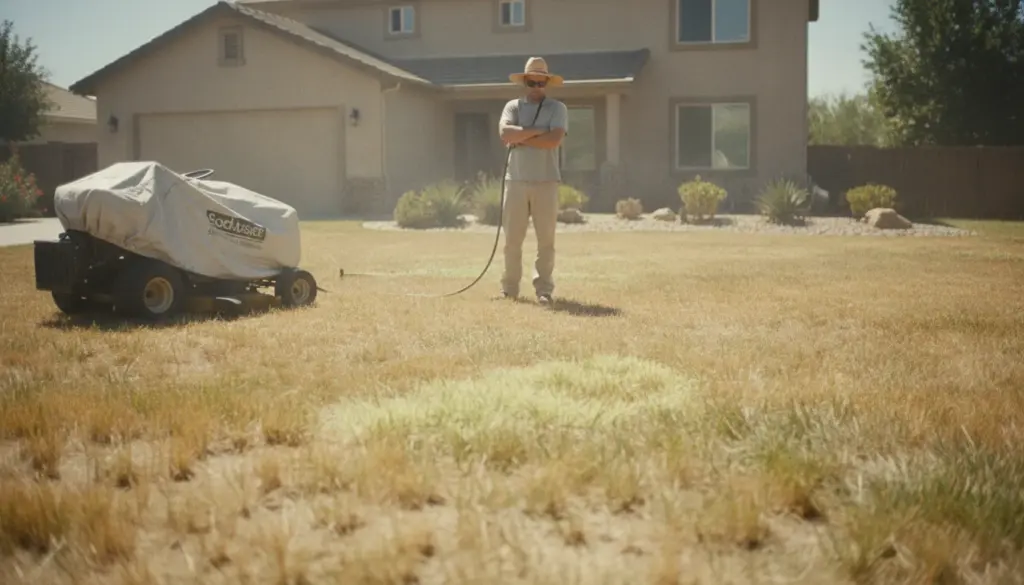
A staggering number of landscaping issues arise when a single pest species completely takes over. A turf heavily infested with grubs acts as a magnet for various digging mammals. By prioritizing healthy soil chemistry, avoiding overly aggressive mowing, and treating lawn pests early, you drastically reduce your yard’s overall appeal.
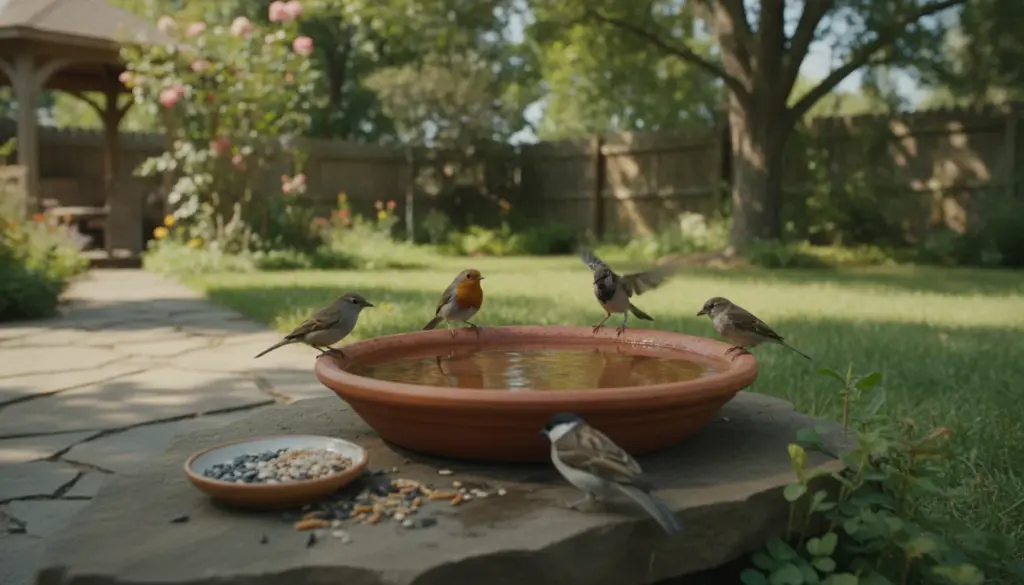
Planting early-blooming bulbs and nectar-rich shrubs invites birds and beneficial predatory insects. These natural allies enthusiastically consume the exact pests that skunks love to eat, effectively shutting down the midnight buffet.
Additional Advice for Rural Properties
If your home borders dense woodlands, agricultural fields, or quiet village outskirts, you will likely encounter foxes, raccoons, and martens alongside skunks. Fortunately, defensive strategies heavily overlap. Sturdy fencing, buried mesh, reinforced chicken coops, and strict trash sanitation work universally.
Consider adopting a zoned landscaping philosophy. Keep the wild, untamed brush piles and natural habitats pushed to the furthest edges of your property line. Meanwhile, maintain a highly manicured, tightly sealed perimeter immediately surrounding the house. This distinct boundary clearly communicates to wildlife exactly where they are welcome, and where they are not.