
We often select gorgeous specimens for our flowerbeds, hoping they will thrive and provide lasting beauty. However, certain perennials and ornamental grasses have a hidden, highly aggressive growth habit that only reveals itself after a few seasons. Once they establish themselves, these robust growers can quickly become a garden nuisance.
Fortunately, understanding a plant’s natural tendencies before bringing it home helps prevent unwanted botanical takeovers. By employing proper cultivation techniques, you can easily keep overly enthusiastic greenery in check. Expert gardeners generally categorize these vigorous growers into two main groups: those that scatter countless seeds, and those that march through the soil via aggressive root systems.
Managing Prolific Seed-Dropping Flowers
Certain flowers naturally rely on self-seeding to guarantee their survival, earning them the affectionate title of “vagabond plants” among horticulturists. Beautiful examples of these wandering bloomers include Gaura, classic foxgloves, tall verbena, and delicate columbines.
While they aren’t traditionally long-lived perennials, their biennial or short-lived nature means they constantly renew themselves by dropping fresh seeds. These charming wanderers actively seek out bare patches of soil to colonize, which creates delightfully unexpected visual combinations and effortlessly fills empty gaps in your landscape.
To keep the overall design grounded, it is crucial to establish a solid framework of permanent grasses, striking foliage, and long-lasting perennials. Within this established structure, you can allow your self-seeding vagabonds to roam freely but responsibly.
Smart Techniques to Limit Self-Seeding
Sometimes, even the most welcome volunteers start popping up a bit too densely. When spring arrives and you notice an overwhelming carpet of tiny seedlings, you have two practical options. You can simply pull the excess sprouts while they are still young, or carefully transplant them to areas that actually need a floral boost.
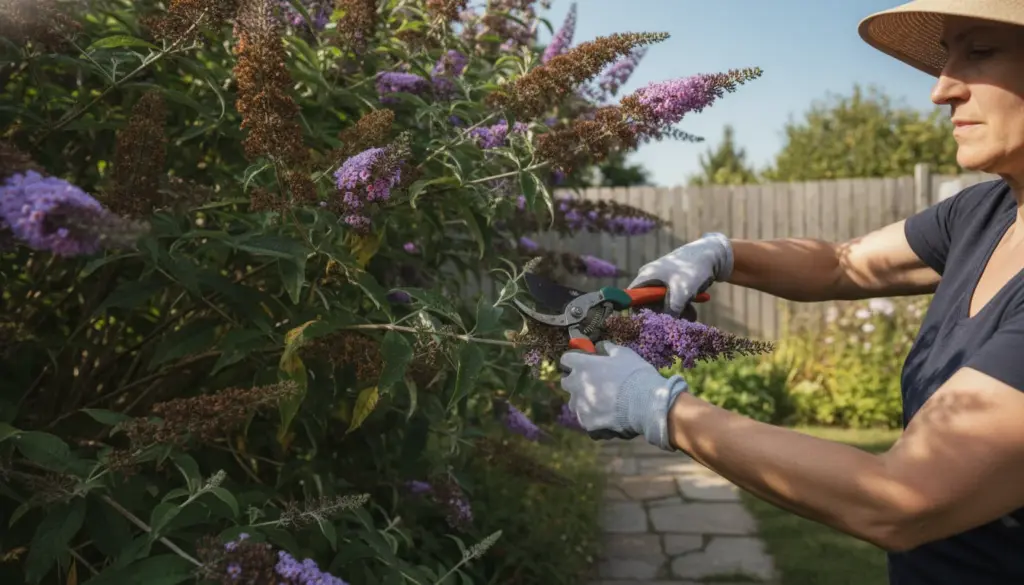
For notoriously prolific seeders like rose campion or viper’s bugloss, proactive deadheading is your best defense. Snip off a large portion of the fading flower heads right after the blooming period concludes. This precise trimming strategy is also highly recommended for summer phlox and autumn asters, as their offspring frequently revert to different colors and shapes, easily muddying your carefully planned color scheme.
Selecting the right cultivars right from the nursery can also save you endless weeding. For instance, lesser calamint is famous for its aggressive seeding habits. Instead of battling it, opt for sterile bred varieties like ‘Triumphator’, which produce absolutely no viable seeds. As a bonus, these sterile cultivars typically boast prolonged flowering periods, richer hues, incredibly sturdy stems, and superior disease resistance.
Taming Aggressive Underground Runners
During their initial growing season, familiar favorites like tickseed, coneflowers, and lady’s mantle usually stay exactly where you planted them. Yet, by their second year, they begin to expand their territory outward, forming increasingly massive clumps.
Others, such as mint and loosestrife, employ a much stealthier tactic, sending out wandering underground shoots. These hidden runners travel beneath the soil surface, suddenly erupting wherever they find open space and sunlight, completely changing the original layout of your bed.
To stop this invasive underground march, try planting these aggressive spreaders inside large, sturdy containers. Heavy-duty mortar mixing tubs work beautifully for this purpose. Just remember to drill ample drainage holes in the bottom before filling them with soil and burying the tub flush with the surrounding earth.
When dealing with runner-forming groundcovers, pair them with equally robust competitors like Japanese anemones or bear’s breeches. Once these spreading carpets reach their designated boundaries, simply slice through the encroaching roots with a sharp spade. Vigorous spreaders like lily of the valley, barren strawberry, or epimedium usually require this firm boundary-setting once or twice a year.
Installing Effective Rhizome Barriers
Ornamental grasses such as bamboo and Chinese silver grass demand an entirely different approach: the rhizome barrier. This essential piece of hardware is a heavy-duty, multi-millimeter-thick plastic membrane designed to physically block horizontal root expansion.
The ideal depth of your protective barrier depends entirely on how deeply a specific plant’s root system travels. Commercial root barriers are available in widths up to 80 centimeters to accommodate even the deepest runners. The absolute most critical step during installation is ensuring the ends of the plastic overlap generously and are bolted together tightly, leaving zero gaps for determined shoots to sneak through.
Dividing Giant Perennials with a Spade
Massive architectural plants like Joe-Pye weed and goat’s beard easily overwhelm compact yards and are best reserved for sprawling landscapes. However, even if you have acreage to spare, these colossal perennials eventually require digging up and dividing.
When the root balls become impossibly dense, a standard garden spade might not cut it. You may need to rely on a sharp hand saw or even an axe to split the tough crowns. After wrestling the plant apart, only return one modest section to the original planting hole.
The leftover divisions make excellent gifts for fellow gardening enthusiasts. When replanting, enrich the excavated soil with a few handfuls of rich compost, but skip commercial fertilizers entirely. Excess nutrients will only supercharge the plant right back to its unruly, monstrous size.