
Carefully snipping away withered rose blooms is a common practice in many yards, yet one seasoned horticultural professional dismisses it as complete nonsense. Instead, his approach to mid-season trimming is surprisingly straightforward. Once the spectacular initial blooming phase wraps up in early summer, backyard gardeners everywhere inevitably wonder how to proceed. It turns out that tending to this specific shrub is where people make the most mistakes compared to almost any other plant care routine. However, a highly effective, bold pruning method is now bringing immense relief to plant lovers, even if it sparks a few questions along the way.
Why a proper summer trim makes perfect sense
Executing a mid-season trim, technically known in botany circles as a remontant cut, pays off for three crucial reasons. Together, these benefits guarantee a spectacular, thriving shrub as late summer rolls around.
First, the plant is encouraged to enter a second blooming phase by rapidly developing fresh buds. Second, the shrub actively conserves vital energy because it halts the strenuous process of producing rose hips and seeds. Finally, a decisive cut promotes compact, vigorous growth, ensuring your beloved shrub remains dense and bushy rather than becoming sparse and bare at the base.
Throwing out the old rules of pruning
Countless guidelines dictate exactly how to handle the maintenance of bedding, shrub, and noble varieties. Yet, seasoned specialists prefer to make short work of both those rigid rules and the plants themselves. The traditional method typically involves snipping just beneath the faded blossom, which theoretically yields fresh petals in about six to eight weeks. Unfortunately, horticulture pros warn that during this lengthy waiting period, the shrub often falls victim to fungal infections and ends up looking incredibly unsightly.
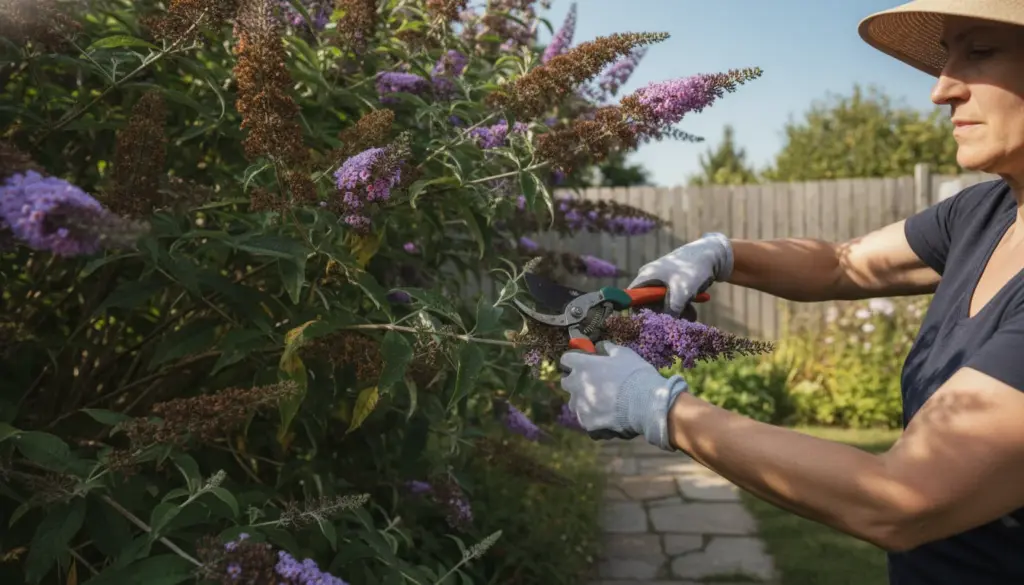
To avoid this, experts recommend moving the shears much lower and executing a far more radical chop that takes off a significant portion of the stem. You absolutely do not need to waste time counting the plant’s eyes or nodes. The secret is to just slice it off confidently, and you could even use standard hedge clippers if you prefer.
Merely deadheading the old flowers is considered counterproductive because it results in uneven, chaotic growth that ruins the aesthetic for the rest of the year. Do not hesitate to sacrifice an unopened bud or two if it helps you achieve a beautifully rounded, symmetrical shape.
Once the trimming is complete, providing adequate nourishment is the next critical step. Applying a slow-release granular fertilizer is highly recommended, as this smart choice minimizes future labor while keeping garden costs low. Within just four weeks, your revitalized shrub will astonish you with an abundance of vibrant new petals. Maintaining these classic garden beauties really is that simple, proving there is absolutely no need to spend hours agonizing over complicated gardening manuals.
Overcoming the fear of the drastic chop
It is entirely normal to feel a bit apprehensive about taking such an aggressive approach to your prized garden features. In fact, many amateur cultivators share identical doubts when faced with the prospect of hacking away at their beloved foliage. These common hesitations clearly highlight where the biggest uncertainties lie for everyday plant enthusiasts:
- “I will definitely try implementing this method, though my initial instinct was to simply wait until autumn.”
- “Really cut it that far down? Unfortunately, I have always belonged to the group that only trims the very top.”
- “If I do that, I will be left with completely bare, leafless stalks. I just don’t have the courage for it.”
Despite these understandable fears, adopting this decisive summer pruning strategy is the ultimate key to a healthier, more vibrant floral display later in the season. Taking that brave first snip might feel intimidating, but the lush results will speak for themselves.