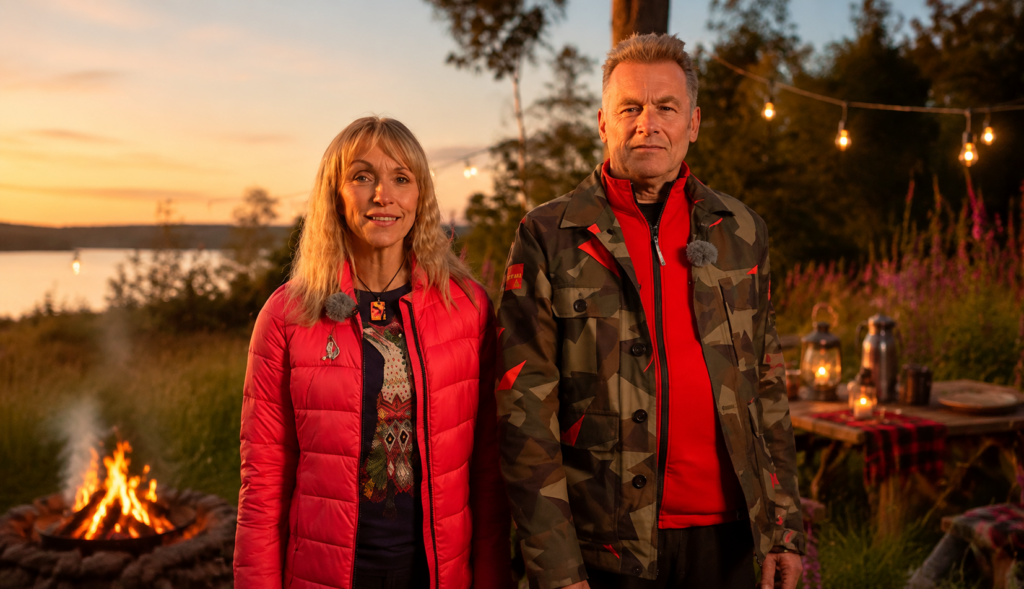
BBC nature presenter and campaigner Chris Packham has made a direct pitch to the producers of EastEnders, proposing a guest role for himself as a climate activist on Albert Square. The 65-year-old broadcaster, who has presented Springwatch since 2009, aims to break out of the media “echo chamber” and communicate environmental issues to millions of daily viewers across the UK.
The unexpected pitch was revealed in a fresh interview with Radio Times, where the wildlife expert voiced growing concerns over the division in how climate news is consumed. After covering the natural world for 17 years on the BBC, Packham warned that critical ecological messaging remains confined to specialist factual programming.
Addressing the current media landscape, Packham argued that environmental reporting is often preaching to the converted rather than reaching the wider public. By introducing climate issues into popular television dramas, he believes broadcasters can foster broader, more accessible national conversations.
“There is an increasing awareness of the scale of the crisis that we are in, but I don’t think there’s enough truth-telling in mainstream media to really bring it home to everyone,” says Chris Packham, TV presenter and campaigner at the BBC.
The 65-year-old presenter pointed out that long-running serials offer an ideal platform for public awareness, noting that EastEnders has previously welcomed high-profile guests ranging from British prime ministers and members of the Royal Family to international pop stars and drag queens.
“What I would like to see is it being integrated into mainstream schedules — obviously in the news and weather forecasts, but absolutely in drama series as well,” explains Chris Packham, TV presenter at the BBC.
Integrating environmental storylines into mainstream fiction is not entirely unprecedented in British broadcasting history. Ahead of the UN Climate Change Conference COP26 in 2021, 7 of the UK’s largest television dramas — including Coronation Street, Emmerdale, Hollyoaks, and EastEnders — joined forces for a landmark media crossover.
During the joint initiative, fictional characters crossed over between competing soaps to discuss recycling, sustainable food production, and carbon reduction. The collaborative storyline successfully reached a combined audience of 15 million weekly viewers across the UK.
Media analysts note that narrative-driven information helps engage viewers without appearing preachy, opening complex political and ecological discussions far more effectively than traditional documentaries.
While incorporating social and environmental themes into popular entertainment can elevate public discussion, experts highlight that the reception of political messaging in fiction varies across demographic groups.
It is important to note, however, that while fictional television and public media campaigns play a role in raising general awareness, the impact of entertainment-based messaging varies, and objective scientific reporting and official government resources should always be consulted for reliable environmental information.