The Hidden Price of Driving Green
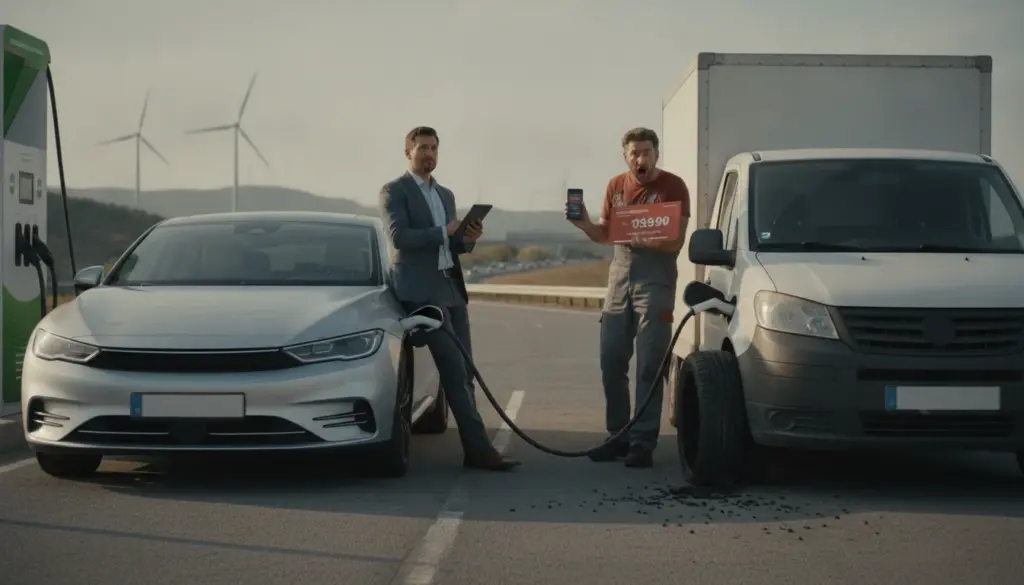
Picture a sleek electric vehicle pulling up to a fast charger. The driver steps out, coffee in hand, radiating the quiet confidence of someone positioned on the right side of history. Meanwhile, at the adjacent pump, a delivery driver stares in frustration at the tires of his electric van. The rubber is completely bald after barely 30,000 kilometers.
While the charging screen proudly flashes a message about sustainable energy, that delivery driver is looking at a painful replacement quote on his phone. The transition to battery-powered driving isn’t solely a triumph over emissions. It is also a story of unexpected maintenance bills and invisible running costs.
This is exactly where the modern eco-friendly dream meets harsh financial reality.
Heavy Batteries and Vanishing Rubber
When most people see an electric vehicle, they envision a silent, clean, and futuristic mode of transport. Yet, beneath that aerodynamic exterior, a completely different mechanical reality plays out. Suspension components take a heavy beating, brakes face unique stresses, and garage invoices mysteriously climb higher with every visit.
Electric cars are incredibly heavy. You might not notice that extra mass when gliding silently away from a traffic light, but your tires endure the punishment of every single pound. That massive weight pushes down hard on the rubber compound, particularly during swift acceleration and sharp cornering.
Unsurprisingly, automakers rarely highlight this in their glossy brochures. Telling a customer that their eco-friendly purchase will chew through tires years ahead of schedule isn’t a great sales tactic. Yet, drivers are frequently stunned when their local mechanic points out that their tread is entirely gone.
Major tire retailers have noted that EV tires degrade 20 to 30 percent faster than those on comparable combustion-engine vehicles. For massive, battery-laden SUVs, mechanics quietly admit that wear rates can spike up to 40 percent. The same heavy models roll into shops year after year, desperate for fresh rubber.
Real-World Mileage Shocks
Consider the case of a 42-year-old professional who recently acquired a popular electric lease car. Based on his previous gas-powered vehicles, he anticipated getting at least 60,000 kilometers out of a fresh set. Instead, at just 32,000 kilometers, his tread depth plummeted dangerously below 2 millimeters.
The service center insisted on immediate replacement, handing him a bill exceeding 900 euros for specialized EV-rated rubber. When his leasing company dismissed the rapid wear as normal operational margins, the financial sting of sustainable driving suddenly felt much less heroic.
The Mechanics of Instant Torque
There is a purely mechanical explanation for this relentless degradation. Beyond the sheer weight of the battery pack, electric motors deliver maximum torque instantly. While that immediate power feels exhilarating on the highway, it aggressively tears at your tire tread with the force of a competitive sprint start.
Regenerative braking adds another layer of complexity. Yes, your traditional brake pads will last significantly longer. However, the intense friction required to slow that heavy vehicle and feed energy back into the battery is still channeled directly through four small patches of rubber touching the asphalt.
Then comes the premium market of EV-specific tires. They feature specialized acoustic foam, durable compounds, and aerodynamic sidewalls. They are undeniably impressive feats of engineering. Ultimately, though, heavy rubber grinding against harsh asphalt will always result in wear.
How to Protect Your Wallet and Your Tires
If you already own a battery-powered car, there is no need to panic and list it for sale. Making a few strategic adjustments will save you far more money than relying on shiny sustainability marketing.
It all begins with your driving style. It may not sound exciting, but smooth acceleration is your best defense. Launching your vehicle aggressively at every green light is essentially a fast-track subscription to early tire replacement.
Anticipate the traffic ahead, allow your car to coast naturally, and avoid severe braking. Tires thrive on constant, fluid momentum. They are rapidly destroyed by sudden jerks, aggressive steering, and taking roundabouts like a race car driver.
The Critical Role of Tire Pressure
Another widely ignored factor is proper inflation. Countless EV owners unknowingly drive on dangerously under-inflated tires simply because nobody explained the severe consequences. Soft tires generate excess heat, warp under heavy loads, and degrade aggressively along their outer edges.
Furthermore, low pressure increases rolling resistance, which instantly drains your battery range. If you drive at highway speeds with soft tires, the heat buildup and risk of sudden failure multiply exponentially. While manuals suggest monthly checks, let’s be honest—hardly anyone actually does this.
However, verifying your pressure every six to eight weeks makes a massive difference. For heavy electric vehicles riding on large wheels, even a minor drop in pressure drastically shortens the lifespan of your rubber.
Smart Purchasing and Maintenance Strategies
When it finally comes time to replace your worn treads, resist the urge to buy the cheapest option available. Bargain-bin rubber on a heavy electric chassis will fail astonishingly fast, meaning you will just pay for the same disappointment twice.
Look closely at independent treadwear tests specific to electric models. Don’t just focus on acoustic ratings or energy efficiency labels; seek out real-world durability data. Local independent mechanics often know exactly which brands survive the longest on specific local roads.
As one experienced tire technician noted, budget hunters frequently return for their fourth set by the time they hit 25,000 kilometers. Those who invest in premium, high-durability compounds and drive sensibly visit the shop half as often.
Essential Quick Wins for EV Drivers
- Always verify tire pressure before embarking on long road trips or vacations.
- Avoid oversized cosmetic rims and excessively wide tires, which amplify wear.
- Rotate your tires systematically every 10,000 to 15,000 kilometers to ensure even degradation.
- Replace rubber proactively before hitting the absolute legal minimum tread depth.
- Consult independent specialists rather than relying exclusively on dealership advice.
The Profitable Shadow of Sustainable Driving
Make no mistake: rapid tire wear is highly lucrative. Garages process more inventory, and global manufacturers command premium margins on specialized electric product lines. An entire secondary industry profits immensely from every electric vehicle sales chart.
Unfortunately, the financial burden routinely falls on the end-user. Small business couriers, families purchasing second-hand models, and independent contractors forced into green compliance bear the brunt of these hidden maintenance costs. They experience the harsh friction between noble environmental goals and painful mechanic invoices.
We have all experienced that dreaded moment of silence at a service counter when a repair estimate shatters our expectations. Showrooms prefer highlighting zero tailpipe emissions and pristine nature photography over complex discussions about suspension stress and specialized rubber pricing.
Perhaps the most honest conversation we need isn’t about whether we should switch to battery power, but rather acknowledging who actually foots the hidden bills. Until the industry becomes transparent, drivers will simply keep rolling forward on fast-wearing tread, caught between eco-ideals and expensive reality.
Frequently Asked Questions
Do electric vehicle tires really wear out that much faster?
Yes. Automotive shops and independent testing consistently show 20% to 30% faster degradation, primarily due to the immense battery weight, instant motor torque, and aggressive regenerative braking.
Can changing my driving habits actually extend tire life?
Absolutely. Gently accelerating from stops and anticipating traffic to minimize harsh braking can preserve your tread, saving you thousands of dollars over the lifespan of the vehicle.
Are expensive EV-specific tires actually worth the premium price?
They are engineered to handle heavier loads, reduce cabin noise, and lower rolling resistance to boost range. However, overall durability varies wildly by manufacturer, so independent real-world testing is far more reliable than brand marketing.
What is the ideal schedule for checking EV tire pressure?
You should inspect your inflation levels every one to two months at a minimum. Because electric vehicles are so heavy, even slight under-inflation causes severe, rapid damage to the rubber.
Does transitioning to an EV still make financial sense?
This depends heavily on local electricity rates, available tax incentives, and your maintenance habits. Drivers who operate their vehicles smoothly and strictly maintain their tire pressure generally still come out ahead financially.