A River That Carved an Entire Landscape
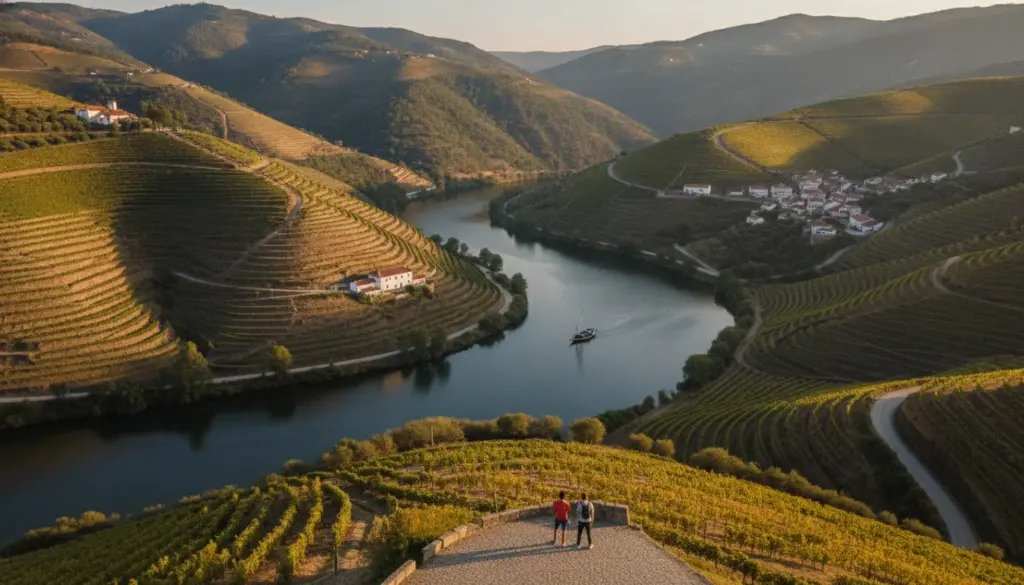
Tucked away in northern Portugal lies a stunning river basin where steep slopes, ancient customs, and endless vines merge into an almost surreal setting. The Douro Valley is widely considered one of the country’s most iconic regions. Here, neatly stacked vineyard terraces hug the winding waterway, punctuated by traditional white estates, charming villages, and breathtaking viewpoints that invite you to linger.
Visitors flock to this destination not just for the exceptional vintage, but for the profound sense that time simply moves slower here. Originating in Spain, the Douro River slices deeply through a rugged, mountainous terrain. For centuries, dedicated winemakers painstakingly carved terraces into these rocky inclines to cultivate grapevines.
Today, these stepped formations, locally known as socalcos, grant the valley its distinctive, almost geometric aesthetic. This striking blend of untamed nature and meticulously organized vines transforms the region into one of Europe’s most memorable cultural landscapes. The waterway flows straight through the Alto Douro, recognized as one of the oldest demarcated wine regions on the planet.
In fact, initial regulations to protect the origin of these vintages date all the way back to the 18th century. A highly specific microclimate—characterized by scorching summers, freezing winters, and natural shielding from surrounding peaks—produces robust grapes overflowing with character. By 2001, the Alto Douro secured a coveted spot as a UNESCO World Heritage site, honoring both the unparalleled quality of the wine and the generations of farmers who molded the terrain without erasing its historical charm.
What Makes This Portuguese Region So Extraordinary
- Ingenious terracing: Miles of handcrafted stone walls secure the sprawling vineyards against incredibly steep drops.
- Historic wine heritage: World-renowned Port and other exceptional regional vintages have been crafted here for generations.
- Harmonious scenery: The flowing water, quaint towns, grand estates, and stepped hillsides blend into one cohesive masterpiece.
- Global recognition: Protected UNESCO status guarantees that the area develops responsibly while preserving its roots.
From a Working Waterway to a Cultural Hotspot
Historically, this body of water served primarily as a grueling trade route. Wooden rabelo boats bravely transported heavy wine barrels over treacherous, wild currents toward the coast. Navigating toward Porto was a dangerous endeavor, requiring immense skill from sailors who faced unpredictable weather, jagged rocks, and fierce rapids.
Upon reaching Vila Nova de Gaia, situated just across from Porto, the cargo was stored in the vast cellars of legendary Port lodges. These wooden casks allowed the wine to mature gracefully before being shipped internationally. While modern transport now relies on trucks and trains, many of these historic lodges remain operational and welcome curious visitors today.
Although the traditional rabelo is no longer an essential cargo vessel, it survives as the ultimate floating symbol of local heritage. Now, the waterway is entirely devoted to leisure and exploration. Massive cruise ships, intimate tour boats, and a few passenger-filled rabelos glide past picturesque settlements like Pinhão and Régua. Along the banks, boutique hotels and cozy guesthouses continually pop up, usually perched on strategic elevations to offer sweeping vineyard panoramas.
Port, Premium Wines, and Warm Hospitality
While fortified Port remains the undisputed star export of the area, local estates have recently poured massive investments into producing outstanding dry white and red varieties. Numerous traditional farms—known as quintas—open their doors for expert-led tastings, immersive cellar tours, and occasionally even boutique overnight stays. It is increasingly common for vacationers to pair an afternoon of sipping local blends with a scenic stroll through the vines or a breezy boat ride.
Porto: The Gateway to the Valley
For countless explorers, the journey into this wine country begins in the vibrant city of Porto. The river cuts elegantly through the urban center, creating a dynamic backdrop filled with historic warehouses, vibrantly tiled facades, and monumental steel bridges linking the two shores. Walking along the Porto riverfront, you will spot beautifully reconstructed wooden boats bobbing in the harbor.
Glancing across to Vila Nova de Gaia reveals the iconic names of legendary wine producers proudly displayed on sprawling cellar rooftops. If you climb to Porto’s higher neighborhoods, you can trace the waterway’s winding path inland, catching a distant glimpse of the valley’s very first hills. Ultimately, the city acts as an urban watchtower—bustling with cosmopolitan energy in the foreground, while rolling vineyards wait quietly in the background.
How Visitors Experience the Terrain
A majority of sightseers choose to blend a city break in Porto with a dedicated excursion into the rural interior. This inland adventure can be tackled by car, boat, or rail. In fact, the train route hugging the riverbank toward Pinhão is widely celebrated as one of Portugal’s most visually stunning railway journeys, offering near-constant vistas of water and greenery.
Those with a bit more vacation time often opt for multi-day river cruises, where tranquil sailing is beautifully broken up by stops at rural towns and exclusive tasting rooms. Conversely, independent travelers frequently rent a vehicle to navigate the narrow, winding roads threading through the terraced slopes. Driving allows for spontaneous detours to official panoramic overlooks, locally known as miradouros, which are clearly marked along the route.
Balancing Tradition, Conservation, and Tomorrow
An uptick in global tourism naturally introduces both fresh opportunities and complex challenges. Regional entrepreneurs are creatively answering the demand for authentic immersion, offering guests the chance to sleep among the vines, participate in the annual grape harvest, or master regional cooking techniques. At the same time, local authorities and wine producers work tirelessly to strike a delicate balance between welcoming outsiders and preserving the area’s inherent tranquility.
The region’s protective UNESCO designation ensures that conservation remains a top priority. New construction projects face rigorous scrutiny, ensuring that specific pockets of the landscape retain their intentionally intimate scale. For those visiting, this means avoiding the trap of overdeveloped tourist hubs; instead, profound silence and untouched beauty continue to reign supreme in most villages.
Essential Tips for Planning Your Journey
Anyone eager to discover this remarkable destination has a variety of excellent options. Keeping a few strategic guidelines in mind will help maximize the experience:
- Ideal timing: Spring and autumn deliver exceptionally mild weather and gorgeous natural lighting, while September brings the vibrant energy of the annual grape harvest.
- Smart transit: Riding the riverside train is both incredibly scenic and budget-friendly, whereas securing a rental car provides maximum flexibility for chasing sunsets and hidden towns.
- Strategic lodging: Opt for a traditional estate or a boutique hillside hotel to guarantee waking up to sweeping river panoramas.
- Advance booking: Highly sought-after cellar tours and aquatic excursions sell out rapidly during peak months, making early reservations a must.
For those completely new to the world of viticulture, booking a guided tasting session can be incredibly eye-opening. Knowledgeable hosts patiently explain the fascinating lifecycle of Port, detailing distinct categories from ruby to tawny, while highlighting what sets these northern Portuguese blends apart. Suddenly, the stunning environment outside takes on a deeper meaning, as you realize every single slope and sun-drenched plot plays a crucial role in shaping the flavors in your glass.
Beyond world-class drinking and sightseeing, this lush basin accommodates plenty of outdoor pursuits. Active hikers can follow rugged riverside trails or conquer steep paths leading to elevated miradouros. Birdwatchers keep their eyes peeled for majestic birds of prey gliding effortlessly above the cliffs. Meanwhile, those purely seeking relaxation can easily spend an entire afternoon enjoying a lavish, lingering lunch on a waterside patio, watching the sun slowly dip behind the northern hills.