The Common Elderberry: An Indigenous Bush With Hidden Talents
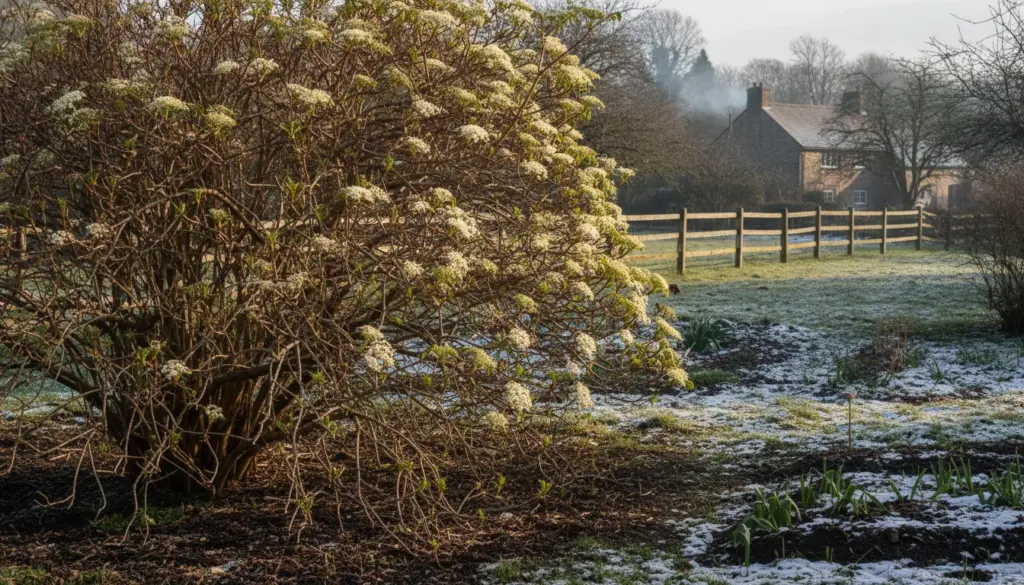
Often left languishing in the forgotten corners of our yards, planting this native shrub right now sets the stage for a vibrant, wildlife-rich landscape. While many of us are still staring at bare branches and muddy garden beds, one indigenous bush is quietly preparing a spectacular transformation. By early spring, it erupts into a magnificent cloud of creamy, sweet-scented blossoms teeming with pollinators.
Shortly after, its branches bow under the weight of rich, dark purple berries. The common elderberry, botanically known as Sambucus nigra, is truly an exceptional addition to your outdoor space when positioned thoughtfully. Because it is such a familiar sight across Europe, many people simply overlook its presence. However, this native plant offers immense value to both cultivated landscapes and local ecosystems, thriving effortlessly along pasture edges, woodland borders, and drainage ditches.
When fully grown, these robust bushes easily reach heights of 3 to 6 meters, spreading about 2 to 4 meters wide. This generous sizing makes the elderberry an ideal candidate for wild garden corners, a striking standalone feature, or part of a diverse mixed hedge. During the colder months, its bare, transparent network of branches might seem unassuming. Yet, the moment temperatures begin to rise, the entire plant undergoes a dramatic metamorphosis.
Over a single growing season, this seemingly invisible background plant evolves into a stunning focal point, a vital food source, and a natural atmosphere enhancer. As late spring arrives, the bush produces massive umbels of creamy flowers that release a distinctively sweet fragrance. These floral clusters act as a powerful magnet for hovering flies, butterflies, and bees. Later in the summer, those delicate blooms transition into grape-like clusters of glossy, almost black berries, serving as a crucial natural snack bar for numerous backyard birds.
How to Give Your Elderberry the Best Start
Successfully growing an elderberry requires very little ongoing maintenance, provided you get the timing and planting method right. Setting it up in the ground right now ensures you will reap the initial rewards within this very year.
The Ideal Timing and Location
The optimal planting window stretches from March through April, while the earth remains sufficiently moist and hasn’t yet been dried out by intense summer heat. This resilient shrub prefers to settle into a sunny spot or an area with partial shade. If you opt for specific varieties featuring deep red or golden foliage, keep in mind that they retain their vibrant colors much better with ample sunlight.
- Sunlight requirements: Full sun to partial shade.
- Soil preferences: Nutrient-rich and moist, but never completely waterlogged.
- Frost tolerance: Highly resilient, surviving temperatures plunging to around -20 °C.
- Garden placement: Works beautifully as a background bush, property divider, or a dedicated bird sanctuary.
Widely recognized as a tough survivor, the elderberry handles poor soils, strong winds, and urban pollution surprisingly well. Nevertheless, providing a solid foundation greatly influences its growth rate during those critical first few years.
If your garden is particularly exposed to the wind, a young elderberry might require supplemental watering during its first year, especially throughout extended dry spells. Once established, it generally takes care of itself perfectly without extra irrigation.
Maintenance: Minimal Effort for Maximum Impact
After successfully taking root, the common elder demands very little of your time. Still, a few strategic interventions can keep the shrub looking its absolute best while promoting optimal health.
Pruning Without Regrets
Elderberries develop their gorgeous blooms on wood that grew during the previous year. Consequently, if you prune too aggressively in the spring, you will accidentally eliminate the vast majority of that season’s flowers. A much lighter touch is the preferred strategy:
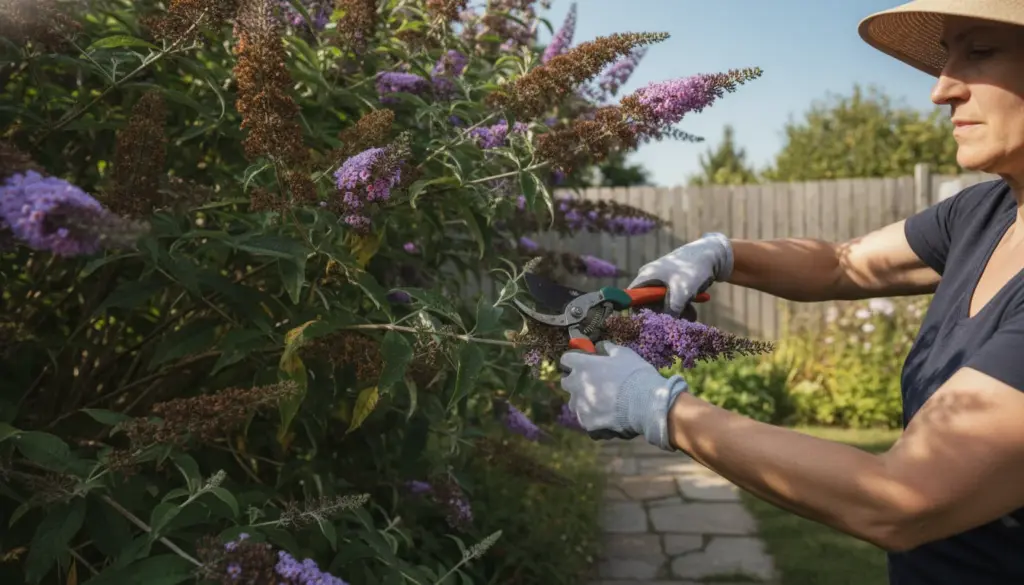
- Early spring routine: Simply remove any dead wood and branches that are crossing and rubbing against each other.
- Protect the youth: Leave plenty of young shoots intact, as these are the exact spots where the blossoms will emerge.
- Periodic rejuvenation: Every few years, cut a few of the oldest, thickest branches down near the base to encourage fresh growth.
If your shrub needs a heavy rejuvenation prune, tackle this task during the winter months just as the buds begin to swell slightly. The plant typically responds to this hard cut by pushing out vigorous, strong new shoots.
From Blossoms to Berry Juice: Edible Garden Extras
Beyond its undeniable ornamental value, the common elderberry provides fantastic culinary ingredients right from your own backyard. By carefully harvesting the right parts at the correct times, you can enjoy its flavors throughout the entire season.
Creative Uses for Elderflowers
Gather the large flower umbels on a dry afternoon, ensuring that the individual tiny blooms are fully open. These aromatic blossoms are incredibly versatile in the kitchen:
- Floral syrup: Steep the flowers in a warm mixture of water, fresh lemon, and sugar to extract their essence.
- Crispy beignets: Dip the entire flower clusters into a light batter and briefly deep-fry them for a delicate treat.
- Infused oils and vinegars: Let the blossoms soak for several days or weeks to impart a subtle, springtime aroma into your pantry staples.
Crafting your own elderflower syrup instantly adds a refreshing spring twist to tap water, seasonal cocktails, and elegant desserts. Just remember to never harvest every single flower on the bush. The plant needs a significant portion of its blossoms to develop into berries, which sustain local wildlife and offer a second harvest for you later.
Handling the Berries Safely
As late summer blends into early autumn, the dark purple-black fruits finally ripen. It is crucial to note that raw elderberries should never be consumed in large quantities as a casual snack. Cooking them, however, neutralizes any issues and transforms small harvests into delicious juices, jams, and jellies.
Keep these fundamental rules in mind:
- Harvest selectively: Pick only fully mature, completely dark berries.
- Heat is essential: Always cook the fruit thoroughly; avoid eating sizable portions raw.
- Clean meticulously: Carefully discard all stems and any unripe, green berries before cooking.
For neighborhood birds like blackbirds and thrushes, these late-season berries are a dietary staple. If you want to encourage avian visitors, consciously leave a generous amount of fruit hanging on the branches.
Safety First: Avoiding Toxic Lookalikes
There is one significant risk to be aware of: occasionally, the common elder is mistaken for the dwarf elderberry (Sambucus ebulus). This dangerous lookalike is actually a toxic herbaceous plant, rather than a woody shrub.
You can easily tell them apart by looking for a few key identifying features:
- Common elderberry: Features true woody branches, grows in a distinct shrub form, and routinely reaches several meters in height.
- Dwarf elderberry: Has soft, herbaceous stems that die back completely and disappear during the winter months.
- Flowering time: The safe, common elder blooms in late spring, whereas the toxic dwarf variety typically flowers much later in the summer.
If you ever have even a slight doubt about plant identification, simply do not harvest any flowers or berries for consumption. In those cases, it is always best to leave the plant entirely to nature.
Pairing Elderberries With Companion Plants
This magnificent shrub truly shines in a relaxed, naturally styled garden setting. It pairs wonderfully with other indigenous bushes, such as native dogwoods, hawthorns, and hazelnut shrubs. When planted within a wider, informal hedge, the elder’s loose growth habit provides a beautiful, playful contrast alongside more rigidly pruned species.
For the ground cover beneath your elderberry, choose shade-tolerant perennials that thrive in dappled light. Ferns, lungwort, and wild columbine are fantastic options. These companions help keep the soil pleasantly cool and consistently moist—conditions that elder roots absolutely love—while naturally suppressing unwanted weeds.
If cultivating a wildlife-friendly landscape is your goal, strategically placing just one of these bushes achieves remarkable results. You invite more beneficial insects and songbirds, experience a dramatic seasonal shift filled with fragrance, and gain access to unique culinary ingredients. By planting it now, you ensure this resilient shrub is ready to take its place as the quiet, undisputed star of your spring garden.