Most gardeners instinctively sweep away empty snail shells. Yet, those tiny, fragile casings hold an incredible secret for your vegetable beds. By cleverly repurposing these leftovers, you can dramatically improve your soil health and ward off frustrating crop issues. It is a completely free way to protect your tomatoes and zucchinis while cutting down on expensive store-bought fertilizers.
From Garden Debris to Soil Superfood
Instead of tossing them in the compost bin, recognize these shells as a premium, slow-release calcium source. They consist almost entirely of naturally occurring calcium carbonate. Because of their incredibly thin and porous structure, they break down much more efficiently than commercial lime pellets or thick sea shells.
This means plant roots can access the vital nutrients quickly, while the remaining material continues to enrich the earth over time. This natural calcium provides three major benefits simultaneously:
- Encouraging a thriving, active ecosystem beneath the surface
- Building an incredibly robust and deep root network
- Producing exceptionally firm, resilient leaves and fruits
Spotting the Hidden Signs of Calcium Starvation
Even if your yard already contains some lime, your crops might still be starving for nutrients. Proper absorption relies heavily on moisture levels, existing pH, and local microbial activity. That is exactly where crushed snail shells work their magic.
When your favorite fruits and vegetables lack this crucial mineral, they will undoubtedly show specific distress signals:
- Browning edges: Leaf tips slowly wither, turn dark, and die off.
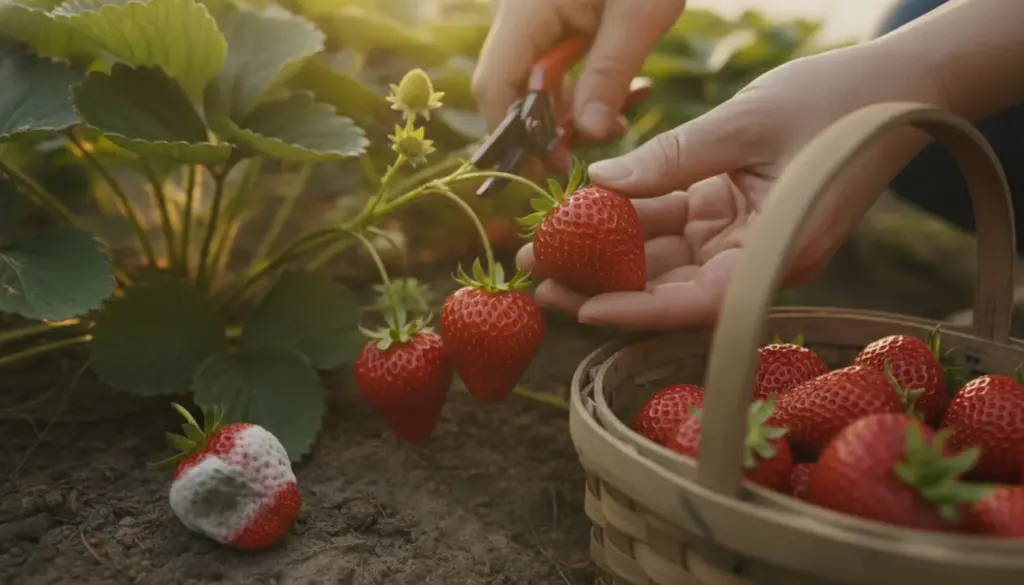
- Blossom end rot: Tomatoes and similar fruits develop ugly, sunken brown patches at their base.
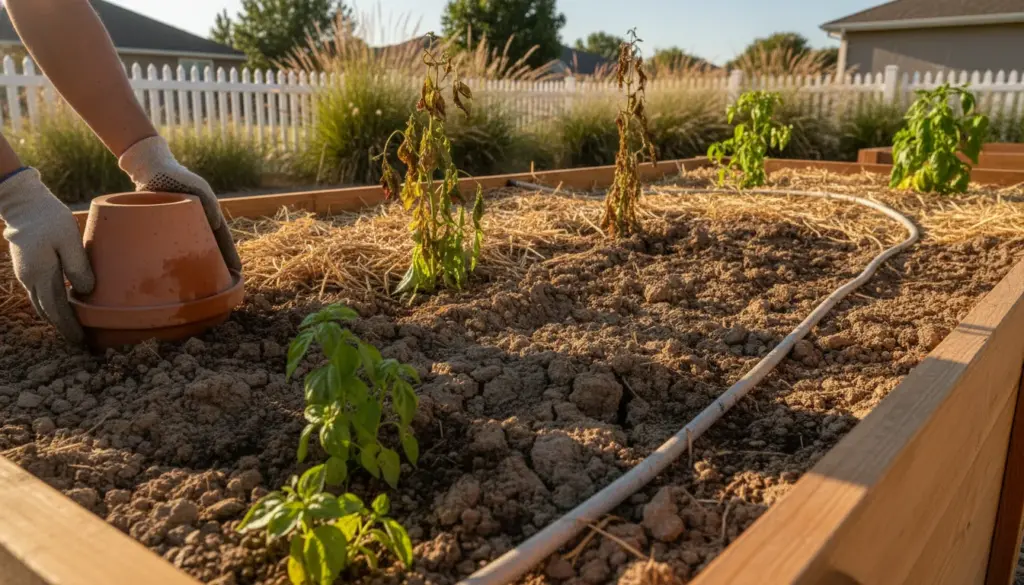
- Stunted development: Plants simply stop growing, regardless of how much water or feed you provide.
- Weak architecture: Stems turn mushy, and maturing vegetables split open easily.
These heartbreaking issues usually strike during intense summer heatwaves or periods of erratic watering, which abruptly halts nutrient transport. A soil profile already loaded with easily accessible calcium drastically lowers this risk.
How to Transform Shells into Free Fertilizer
If you gather these casings deliberately, you can stockpile an impressive amount of natural garden boosters in just one season. The best time to hunt for them is right after a heavy downpour when they are highly visible. Check neglected garden corners, under dense shrubbery, or near raised beds where pests usually feast.
Step 1: Gathering and Cleansing
Stick to collecting completely hollow, thoroughly dried-out specimens. Ensure absolutely no decaying organic matter remains tucked inside. Give them a rapid rinse under the tap to remove lingering mud or green algae, then spread them out to dry on some old cardboard or paper towels.
Step 2: The Perfect Crush
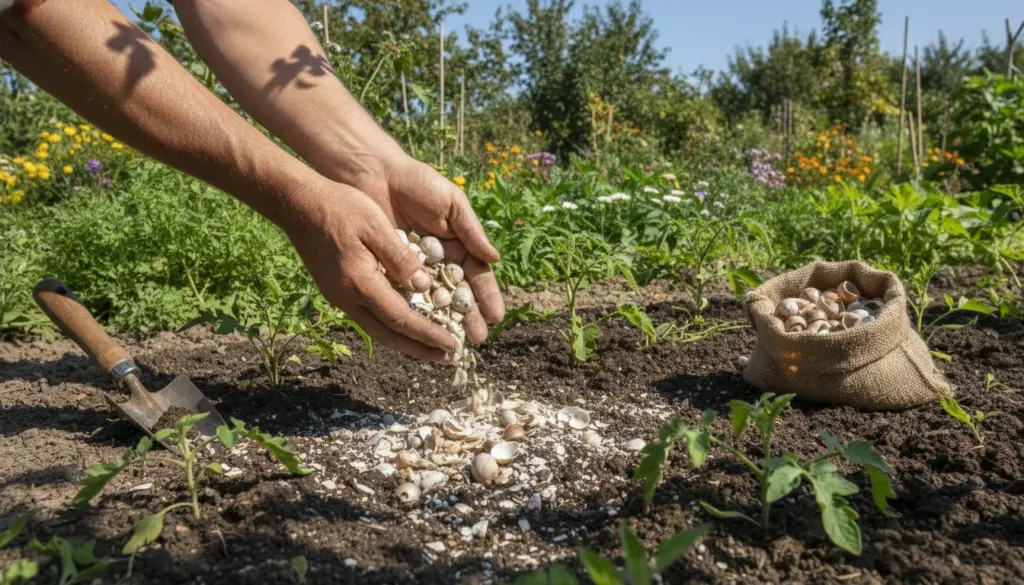
Size matters immensely here. Pulverizing them into fine dust will alter your soil’s pH too rapidly and destroy their structural benefits, while massive chunks take years to decompose. You are aiming for fragments around 3 to 5 millimeters in size—noticeable to the touch, but free of dangerous, sharp edges.
You can easily achieve this ideal texture by:
- Rolling a heavy rolling pin over shells wrapped in a kitchen towel.
- Pressing down firmly with the flat base of a thick glass mason jar.
- Tapping them gently on a wooden plank using a rubber mallet.
Applying Your Homemade Garden Gold
More is definitely not always better when dealing with soil amendments. Dumping excessive amounts can severely disrupt the mineral equilibrium and spike the pH, causing more harm than good.
A highly reliable guideline is to use roughly 150 grams per square meter. This dosage works perfectly for calcium-hungry favorites like eggplants, bell peppers, zucchinis, and tomatoes.
Scatter these crushed fragments directly around the base of your crops early in the spring. Take a hand fork and gently massage the pieces into the top layer of dirt so they do not just blow away. To maximize absorption, divide that total amount into two or three smaller applications spread throughout the growing season.
Which Plants Hate Extra Calcium?
Certain varieties absolutely despise alkaline environments and demand acidic conditions to thrive. Keep your crushed shells far away from these specific species:
- Potatoes
- Blueberries and similar heathland shrubs
- Azaleas and rhododendrons
- Cranberries and other acid-loving ornamentals
If your landscaping heavily features these varieties, performing a simple DIY pH test beforehand is a very smart move.
Beyond Nutrition: Building Flawless Soil Structure
The magic of this method goes far beyond simple chemistry; it physically transforms the ground you plant in. Those tiny, jagged fragments wedge themselves between dense clay and fine sand particles.
This creates immediate physical improvements:
- Heavy, stubborn clay becomes significantly less prone to clumping.
- Excess rainwater drains away effortlessly, yet essential moisture is retained longer.
- Delicate roots can push through the earth with zero resistance.
This superior aeration allows the earth to warm up much faster when spring arrives. That early warmth wakes up earthworms and beneficial microbes, triggering a brilliant natural cycle of nutrient release.
More Hidden Household Resources
Using snail shells is just the beginning of an incredibly rewarding circular gardening journey. Relying on your own waste streams means buying far fewer expensive commercial products.
Consider trying these other everyday leftovers:
- Eggshells: Another fantastic calcium source. Dry them thoroughly, crush them, and use sparingly around alkaline-loving crops.
- Used coffee grounds: Perfect in small doses for acid-loving shrubs or tossed into the compost to attract hungry earthworms.
- Untreated wood ash: A potent blend of potassium and lime. Apply this very lightly and never near acidic beds.
- Banana peels: Packed with potassium. Snip them into tiny squares and bury them, or toss them straight onto the compost heap.
By experimenting with these materials, you will soon discover exactly what your unique local environment craves. Always start small, observe your foliage carefully, and let nature do the heavy lifting. Gathering those empty shells turns a minor garden nuisance into an incredible asset for a vibrant, thriving harvest.