A Strange Suggestion in the Neighborhood Chat
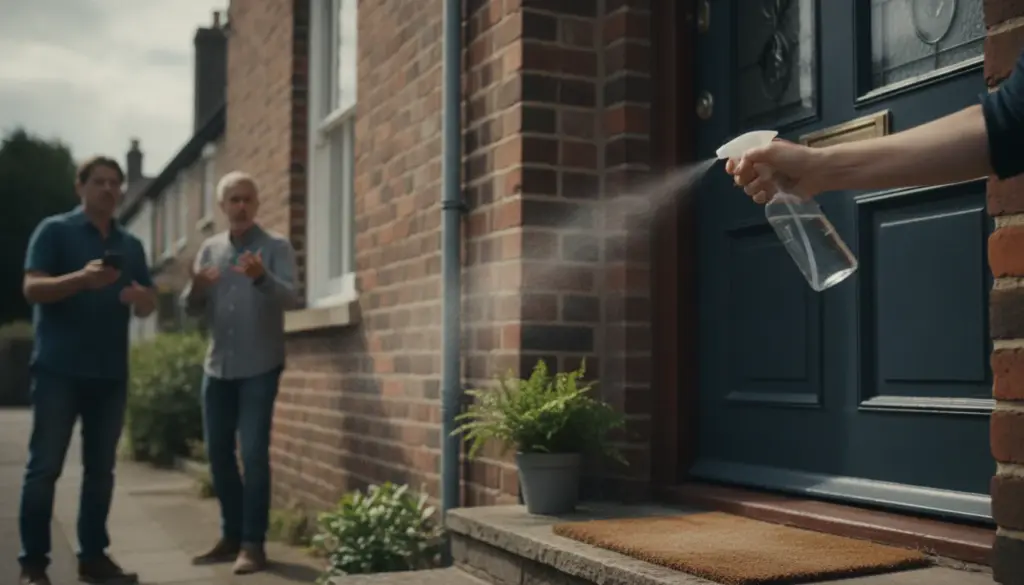
When someone first mentioned misting their front entrance with vinegar, I honestly assumed they were pulling my leg. It happened on a dreary Wednesday afternoon in a local community messaging group, right in the middle of a familiar venting session about lingering hallway odors and frustrating delivery drivers. Out of nowhere, a neighbor typed: “Just mist a little vinegar on your front door, it works wonders.”
Initially, the comment was met with a flurry of crying-laughing emojis. But a surprising shift happened shortly after when several others chimed in to agree. They were using it to deter pesky ants, keep neighborhood cats at bay, and even clear out negative energy. What sounded like a bizarre old wives’ tale is actually gaining quiet traction in modern home maintenance routines.
There is a highly practical reason this simple trick keeps circulating.
The Science Behind the Threshold Barrier
Think about your main entryway for a moment. It serves as the ultimate frontline of your home. It absorbs the brunt of harsh weather, catches lingering smells from the street, and is the primary infiltration point for ambitious insects, wandering pets, and creeping mildew.
This is precisely where ordinary household vinegar transforms into an unexpected household hero. Its high acidity, intense aroma, and unique evaporation process leave behind an invisible barrier. It communicates a clear warning to unwelcome pests in a language they instinctively understand.
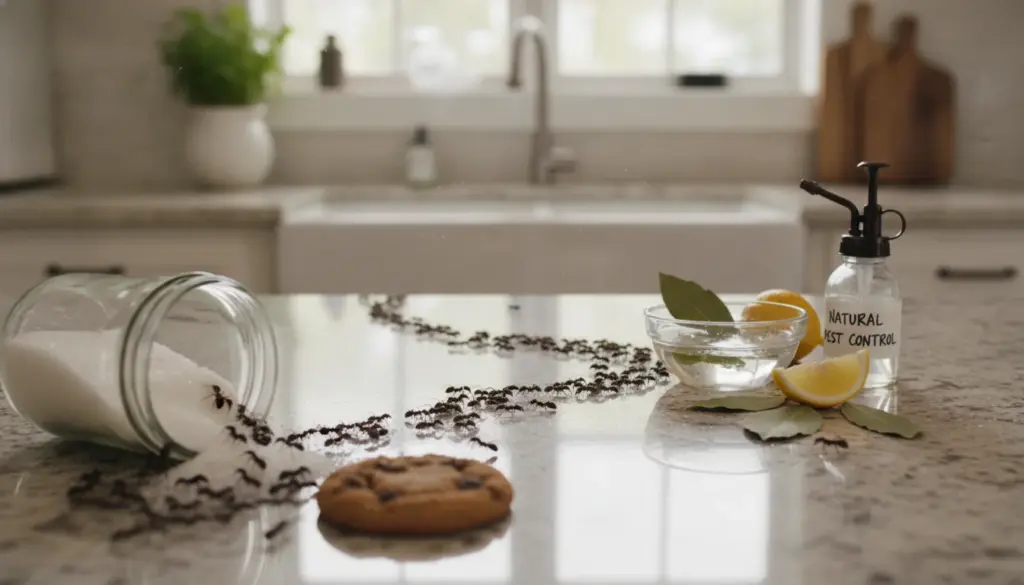
The chemistry at play is incredibly straightforward. Take invading ants, for example. Once a single scout squeezes under your door, it leaves a distinct pheromone trail for the rest of the colony to blindly follow. Wiping the floor with soap won’t remove this invisible highway. However, the acetic acid in vinegar completely neutralizes those organic scent molecules. One homeowner shared how she stopped a massive spring ant invasion dead in its tracks simply by treating her door frame; not a single insect crossed that invisible boundary the following morning.
The exact same principle applies to territorial cats that mark their scent on exterior doors. To an animal’s highly sensitive nose, that sharp acidic blast acts as a massive “do not enter” sign. It effectively scrambles their scent markers and breaks the habit.
How to Apply the Trick Without Overpowering Your Senses
Implementing this technique is incredibly easy, but doing it correctly is key to avoiding a house that smells like a fish and chip shop. Grab a standard spray bottle and fill it with equal parts water and basic white vinegar. If you prefer a more pleasant aroma, adding a few drops of your favorite essential oil can instantly transform the scent from sharp to spa-like.
Mist lightly, do not soak. You want to gently spray the lower portion of the door, the surrounding frame, and particularly the exterior threshold where pests tend to linger. Allow the solution to air dry completely. During high-pest seasons like early spring or warm summer months, repeating this quick process once or twice a week is perfectly sufficient.
The most common mistake people make is absolutely drenching their entryway, becoming disgusted by the smell, and abandoning the method entirely. You do not need to do this daily. Brief, consistent applications are more than enough to disrupt those lingering scent trails.
If you have a painted wooden door, exercise a bit of caution. Always test a small, hidden corner first. Older or fragile paint finishes can occasionally react to highly concentrated acidity. Renters or those with delicate doors can achieve the same results by focusing the spray solely on the concrete step and exterior frame.
As one seasoned cleaning professional pointed out, “It isn’t magic, but if you apply it consistently and lightly, it prevents a whole host of frustrating daily annoyances from returning.”
The Main Benefits at a Glance
If you are wondering exactly what this method accomplishes, here are the primary reasons homeowners swear by it:
- Interrupting ant trails directly at the main entry point
- Deterring neighborhood cats from spraying or marking territory
- Eliminating stubborn odors drifting in from communal hallways or porches
- Slowing down minor mold growth along the damp bottom edge of the frame
- Providing a fast, budget-friendly reset for your home’s entryway
A Modern Boundary Ritual
When you really delve into why people love this household trick, it often goes slightly beyond basic cleaning. It inadvertently becomes a minor psychological ritual. Taking that bottle and lightly misting the threshold is a physical way of stating, “This is where my sanctuary begins.”
Many individuals note that their entryway simply feels lighter and less stagnant afterward. While the distinctive scent fades quickly, that comforting feeling of maintaining your personal boundary tends to linger. Plus, it relies on an incredibly cheap, environmentally friendly ingredient rather than an expensive plastic bottle filled with unknown harsh chemicals.
Frequently Asked Questions
Can I use standard kitchen vinegar?
Yes, standard white vinegar works perfectly fine. Specialized cleaning vinegar has a slightly higher acidity, making it more potent, but standard kitchen varieties are an excellent, gentle starting point—especially if you are concerned about strong odors or protecting delicate paint.
Will the acidity damage my paint or wood?
Most modern varnished or synthetic doors will not suffer any damage, provided you use a light mist rather than a heavy soak. Always perform a patch test on a hidden area first, and avoid letting liquid sit on old, untreated wood.
Is this method safe around children and family pets?
Absolutely, as long as it is used correctly. Ensure the door is completely dry before toddlers or pets interact with the area, and always store the spray bottle safely out of reach.
How often should the threshold be treated?
If you are actively battling an ant trail or a persistent neighborhood cat, spray lightly every couple of days. Once the problem subsides, dropping back to a quick weekly mist is generally enough to maintain the barrier.
Can I mix the solution with bleach for extra cleaning power?
Never mix vinegar with bleach. Combining these two common cleaners creates highly toxic chlorine gas. If you need to deep clean the door first, use a standard all-purpose cleaner, rinse the area thoroughly with plain water, and wait for it to dry before applying your vinegar barrier.