Why Professionals Continually Revisit This Effervescent Combination
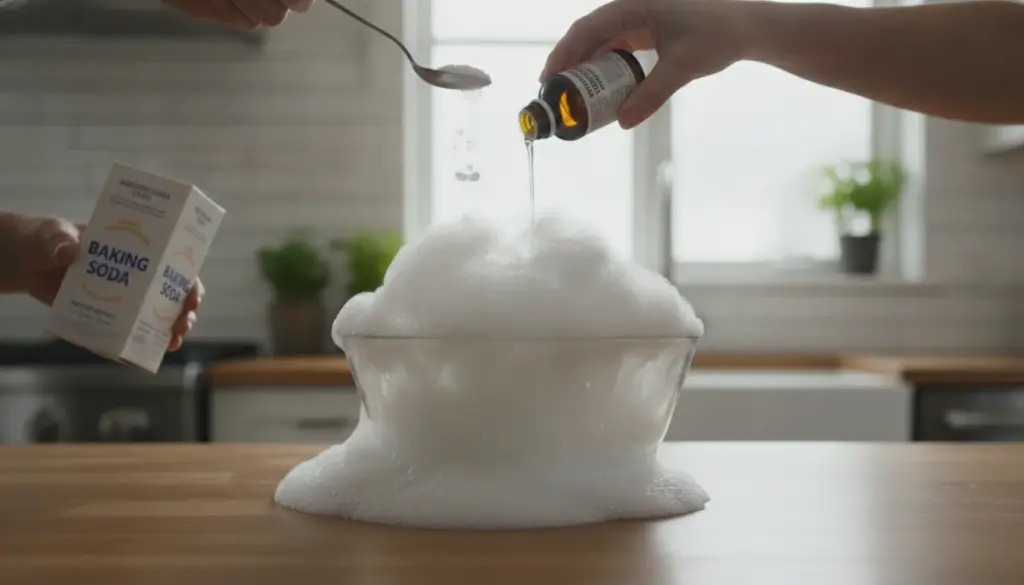
Watching someone combine sodium bicarbonate with a splash of hydrogen peroxide might initially trigger your flight response. The resulting concoction bubbles and expands, heavily resembling a chaotic middle-school chemistry project. Nevertheless, this unassuming, fizzy mixture is steadily reclaiming its place in modern domestic life—from professional dental spaces to everyday kitchen countertops. Whether it surfaces in viral cleaning tutorials or peer-reviewed laboratory literature, households continuously gravitate toward this highly accessible pairing of a standard pharmacy staple and a ubiquitous white pantry powder.
While the combination seems almost rudimentary at first glance, a growing consensus among dermatologists, cleaning professionals, and clinical researchers suggests there is genuine merit behind the effervescence.
Step inside a modern dental practice, and you might inadvertently encounter the effects of this precise chemical reaction. Countless premium whitening gels and clinical-grade polishing pastes depend heavily on these exact two components, albeit packaged in sophisticated branding with a premium markup. Oral care specialists favor the pairing because, when applied with clinical precision, it aggressively tackles surface stains while remaining relatively safe for tooth enamel.
Consequently, consumers are replicating this mechanism in their own bathrooms. Combining a standard spoonful of sodium bicarbonate with a standard drugstore peroxide solution instantly yields a foaming, fresh-smelling compound that naturally sparks intrigue.
Historically, the fascination begins with dental aesthetics. Recent surveys analyzing at-home oral hygiene habits highlight a drastic surge in localized searches for DIY teeth brightening over the past half-decade. Community forums are flooded with anecdotal evidence of individuals cautiously dabbing the paste onto a discolored incisor, only to notice a visible improvement a short while later.
Eventually, experimentation expands beyond personal grooming. Enthusiasts begin applying the identical frothy paste to grimy tile grout, tea-stained ceramics, and notoriously dingy shirt collars. Each successful application reinforces the idea that this bubbling mixture possesses remarkable versatility.
From a chemical standpoint, the mechanics are entirely straightforward. Hydrogen peroxide operates as a potent oxidizing agent, meaning it actively dismantles the molecular structure of colorants and effectively neutralizes bacteria. Meanwhile, sodium bicarbonate introduces a gentle physical abrasive quality alongside a mildly alkaline pH. Merging the two generates an oxygen-rich, micro-exfoliating compound that simultaneously lifts and dissolves stubborn residues.
This synergistic action directly accounts for the surprisingly vast array of uses that specialists frequently highlight. A single, rudimentary mixture effectively accomplishes three distinct tasks simultaneously: it cleanses, it brightens, and it sanitizes. Naturally, this potency requires cautious application, which brings us to the most critical aspect of the discussion.
From Enamel to Ceramics: Practical Applications for the Powerful Paste
The most traditional application understandably revolves around oral hygiene. Many dental professionals acknowledge that a heavily diluted, infrequently applied bicarbonate and peroxide slurry can serve as a supplemental stain-removing booster. The standard domestic protocol is notably modest: blending a single teaspoon of the powder with just enough 3% liquid peroxide to create a dense, spreadable consistency.
Users are advised to lightly polish the teeth using a soft-bristled brush for absolutely no longer than sixty seconds. Following this brief application, thorough rinsing is mandatory, immediately succeeded by a standard fluoride brushing routine. This is explicitly not intended for daily or even weekly repetition.
Beyond personal care, the mixture truly excels in combating deeply entrenched household grime. Consider the pale mortar situated between bathroom tiles, which inevitably darkens regardless of intense physical scrubbing. Homeowners frequently dust the raw powder directly into the crevices, apply a targeted spray of the liquid oxidizer, and observe as the reactive foam actively expands through the narrow channels.
Allowing the reaction to sit for roughly ten minutes before gently agitating it with a detail brush typically yields extraordinary results, often giving the illusion of freshly installed grout. Similar restorative effects are frequently observed on discolored wooden cutting surfaces, neglected coffee mugs, and stubborn mineral rings situated at the waterline of household toilets.
If the results are so impressive, one might wonder why this solution hasn’t entirely replaced conventional commercial cleaners. The reality is that the boundary between highly effective and overly abrasive is remarkably narrow. Utilizing any liquid oxidizer exceeding a 3% concentration transitions the mixture from a helpful household tool to a potentially destructive agent. When exposed to sensitive materials like natural stone countertops or deeply dyed textiles, the intense bleaching properties can cause irreversible damage.
Realistically, consumers rarely scrutinize warning labels on a daily basis. This oversight frequently results in unexpectedly bleached spots on dark clothing or inflamed gingival tissue following an overly enthusiastic brushing session. The undeniable strength of this chemical duo demands appropriate caution, making preliminary spot-testing an absolute necessity.
Establishing Boundaries With This Chemical Powerhouse
Professionals who endorse this specific combination consistently echo a singular warning: proceed with extreme moderation. When discussing oral applications, clinical advisors emphasize reserving the treatment for rare, specific occasions rather than incorporating it into a standard morning routine. A minuscule, pea-sized application is sufficient, and any sensation of burning or rawness should immediately halt the process. Ultimately, your conventional toothpaste and brush are already managing the vast majority of your dental hygiene needs.
For environmental cleaning, the most strategic approach involves mixing the solution strictly on demand. Combining a few spoonfuls of the alkaline powder with just enough of the 3% liquid to form a temporary paste ensures maximum chemical efficacy. Because the active oxidation depletes rapidly, the compound must be utilized within fifteen minutes, after which any remnants should be discarded.
Complications generally arise when individuals aggressively pursue instantaneous, miraculous transformations. The assumption that extended application times, aggressive scrubbing, or utilizing medical-grade peroxide will multiply the benefits is fundamentally flawed. This misguided logic is precisely what leads to compromised tooth enamel, chemical burns on soft tissues, and ruined fabrics. It perfectly illustrates how easily initial enthusiasm can bypass basic safety protocols.
Similarly, dermatological experts strongly caution against repurposing this concoction as a routine topical acne remedy. The aggressive alkaline and oxidizing nature can severely compromise the delicate epidermal barrier, leading to intense flaking and redness. While a highly localized, isolated spot application differs vastly from an all-over facial treatment, the skin will rapidly indicate if its natural defenses have been breached.
The overarching consensus across various scientific disciplines remains steady: if you respect the fundamental chemistry, the chemistry will yield positive results.
Essential Guidelines for Safe Application
- Strictly utilize a mild, 3% concentration of the oxidizing liquid for all domestic applications.
- Ensure the active paste never contacts ocular areas, richly dyed garments, or porous natural stones like untreated marble.
- View dental applications strictly as an occasional aesthetic touch-up, never as a substitute for essential fluoride-based pastes.
- Prioritize adequate airflow when applying substantial quantities of the foaming mixture in confined spaces like small bathrooms.
- Immediately abandon the treatment in favor of milder alternatives if you notice any physical discomfort, localized pain, or unintended material bleaching.
Beneath all of these formal recommendations lies an undeniable reality: there is absolutely no professional oversight monitoring your domestic chemistry experiments. The responsibility of balancing thrifty curiosity with fundamental safety rests entirely on the individual. This lack of supervision highlights exactly why straightforward, pragmatic instructions are crucial when a basic pantry remedy suddenly achieves viral prominence.
The Deeper Meaning Behind the DIY Phenomenon
There is an undeniable, inherent satisfaction in watching decidedly vintage commodities capture the digital spotlight. A basic cardboard carton and a nondescript amber bottle represent the absolute antithesis of glamorous modern marketing. However, as consumers increasingly scrutinize convoluted chemical ingredient lists and heavily inflated price tags on purported miracle cleaners, this highly transparent, fizzing reaction feels distinctly authentic. It performs exactly as advertised, physically lifting stains and neutralizing odors without relying on artificial fragrances or aggressive neon packaging.
Simultaneously, the widespread popularity of this mixture highlights a collective societal desire for streamlined efficiency. Achieving a brighter smile without the accompanying clinical invoice, or restoring tile mortar without spending an entire afternoon scrubbing, holds immense appeal. Seeking maximal output with minimal plastic waste is a completely logical human instinct, and appreciating an effective household shortcut is entirely reasonable.
Yet, clinical authorities continue to stress the vital importance of context. The identical bubbling action that seamlessly strips coffee residue from ceramic can aggressively degrade protective dental layers if exploited daily. The compound that brilliantly revitalizes a shower wall can irreparably strip the dye from your preferred athleisure wear. In a rather unexpected way, engaging with this raw mixture necessitates a deliberate pause, forcing users to evaluate whether a specific task truly requires aggressive oxidation or merely a damp cloth.
Documenting these domestic trials alongside friends or vast online networks essentially cultivates an expansive, informal research facility. Enthusiasts actively publish their visual successes, openly discuss their chemical miscalculations, and continuously calibrate their techniques. It represents a subtle, fascinating wave of citizen science conducted directly from suburban laundry rooms and urban kitchens.
Ultimately, the trajectory of this dynamic chemical pairing extends far beyond domestic grout and cosmetic dentistry. Commercial researchers are currently evaluating highly regulated, economical sanitation protocols based on this exact formulation for implementation in educational facilities, corporate workspaces, and commercial culinary environments.
Whether you choose to utilize this reactive paste annually or weekly, the underlying consideration is less about the physical foam and entirely about user mentality. The true challenge lies in deciding whether to genuinely comprehend the household chemistry we deploy, or to simply replicate digital trends without consideration. The physical compound remains brilliantly straightforward, but our approach to handling it demands a higher level of maturity.
Frequently Asked Questions
Is incorporating this mixture into my daily tooth brushing routine advisable?
Dental professionals overwhelmingly advise against this practice. While an exceedingly infrequent application can serve as an acceptable cosmetic boost for surface stains, habitual daily usage dramatically elevates the risk of permanent enamel degradation and severe gingival inflammation.
Can this compound be safely applied to any material within my home?
Absolutely not. You must strictly avoid applying the paste to untreated natural stones, richly dyed textiles, and any porous material susceptible to heavy oxidization. Conducting a preliminary spot-test in an inconspicuous area is always a mandatory safety step.
Which specific concentration of the liquid oxidizer is appropriate for domestic use?
A standard 3% solution is universally recommended for all household applications. Significantly higher concentrations are strictly formulated for clinical or industrial environments and pose severe safety hazards if mishandled in a residential setting.
Does this specific formulation actually neutralize bacteria, or merely improve visual appearance?
The liquid component possesses extensively documented antimicrobial capabilities. When paired with the physical exfoliating nature of the alkaline powder, the resulting paste effectively eliminates organic debris while actively diminishing bacterial presence on numerous resilient hard surfaces.
Is it possible to prepare and store a large quantity of this paste for future use?
This is highly discouraged. The chemical efficacy of the mixture deteriorates rapidly as the active oxygen molecules dissipate. For optimal results, you should exclusively prepare localized batches, utilize them immediately, and safely discard any remaining residue.