
Rethinking When Cognitive Decline Actually Begins
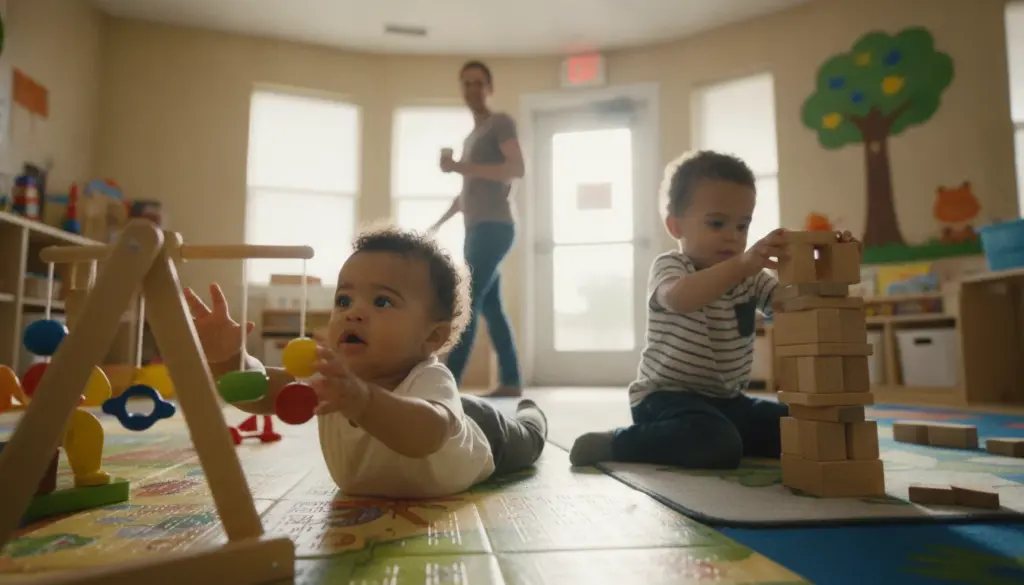
Picture a typical Tuesday morning at a local childcare center. A wide-eyed infant fixates on a colorful plastic mobile spinning softly overhead, grasping at the air as shapes drift by. Nearby, a determined toddler carefully stacks wooden blocks, completely absorbed in her task. It feels like an utterly ordinary moment while rushed parents grab their morning coffee, barely noticing the quiet development unfolding on the rug.
However, these seemingly simple early gestures are quietly laying the foundation for something monumental. They might actually reverberate deep into our twilight years.
Most people view severe cognitive decline as a condition that suddenly appears in our later decades, creeping in like an uninvited visitor around retirement. We traditionally associate it with memory slips, disorientation, and the gradual fading of aging loved ones. Yet, emerging scientific evidence is aggressively challenging this traditional timeline. It turns out that the hidden seeds of cognitive vulnerability are likely sown during early childhood, right when our developing minds are rapidly forging vital neural pathways.
This groundbreaking shift in understanding does not aim to burden caregivers with guilt. Instead, it reveals that our cognitive health journey kicks off much sooner than previously imagined.
How Early Life Shapes Future Brain Resilience
A sweeping European cohort investigation recently tracked tens of thousands of individuals from their earliest days all the way into middle age. Scientists meticulously examined various early-life variables, including birth weight, childhood nutrition, household stress levels, pollution exposure, and initial learning environments. When they cross-referenced these historical childhood metrics with cognitive assessments taken decades later, striking patterns emerged.
Children raised in chaotic, heavily stressed, or highly deprived settings consistently exhibited subtle mental vulnerabilities by their forties and fifties. While these minor cognitive gaps do not necessarily equal a clinical diagnosis right away, researchers compare them to microscopic structural fractures in a bridge. They might be completely unnoticeable from a distance, but they pose significant structural risks as time passes.
The Three Hidden Pathways to Brain Vulnerability
Specialists have pinpointed several distinct mechanisms driving this lifelong connection. First, there is a profound biological impact, as young, forming brains react intensely to stress hormones, environmental toxins, and early dietary choices. The second factor is entirely environmental.
Infants who experience fewer verbal interactions, limited play opportunities, or a lack of emotional security ultimately build weaker neural networks.
Finally, there is a distinct social trajectory. Youngsters who struggle early academically frequently land in physically demanding, poorly compensated careers that lack crucial mental stimulation—a known factor for elevating future cognitive risks. The latest findings do not draw a harsh, direct line from the nursery to the memory care ward. Rather, they outline a complex, meandering journey where early-life experiences gently dictate how resilient a mind will be decades later.
Why the First Thousand Days Are Critical
When neurological experts discuss early life, they are generally pointing to the first thousand days stretching from conception to a toddler’s second birthday. Throughout this brief, explosive developmental window, cerebral networks multiply at an astonishing rate. Surprisingly, the most effective cognitive tool available to caregivers is beautifully basic: everyday human interaction.
Simply conversing, humming, pointing out household items, and responding to baby babbles with actual vocabulary yields tremendous results.
Analytical data confirms that infants exposed to a rich variety of spoken language develop much sturdier networks in areas governing memory retention. You absolutely do not need luxury educational toys or expensive courses to achieve this. It truly only requires an engaged face, a warm tone, and a few focused minutes of attention.
Navigating Parental Pressure Without the Guilt
Naturally, encountering this type of science can send instant waves of guilt through any exhausted parent. Who realistically has the energy to narrate a diaper change when work emails keep pinging and the laundry pile is overflowing? We all occasionally rely on a tablet just to carve out five minutes of peace. The scientific consensus is not suggesting that skipping a single bedtime story will irreparably doom a child’s future.
Experts are primarily concerned with long-term, chronic patterns of severe stress, emotional neglect, or a total absence of stimulation. What ultimately matters is the overarching emotional climate: does the child generally feel seen, comforted, and encouraged to be curious? Or are they frequently left isolated in a room illuminated by glowing pixels?
Dr. Marieke B., a dedicated researcher analyzing lifelong cerebral health in Rotterdam, explains this concept with reassuring clarity:
“We do not simply ‘catch’ dementia at age 75. Instead, we are continuously building resilience or vulnerability from our very first breath. Every comforting embrace, every shared book, and every instance a child feels genuinely safe acts as a tiny investment in their lifelong neural health.”
Simple Daily Habits That Nurture Brain Health
- Narrate your daily routines: Describe your actions while preparing dinner, going for a walk, or getting dressed. Saying, “Now we are putting on your blue socks. One foot, two feet,” seamlessly transforms a mundane chore into a valuable developmental exercise.
- Prioritize rest and nourishment: Consistent sleeping habits and reliable meals heavily reduce toxic stress and support optimal neural expansion. Even slightly flawed routines offer massive biological benefits.
- Value human connection over gadgets: A responsive, attentive adult provides infinitely more value than the newest interactive high-tech toy. Shared giggles, direct eye contact, and silly songs create genuine neurological magic.
- Monitor your personal tension: Chronic caregiver anxiety eventually bleeds into the household atmosphere through tense silences and a strained tone of voice. Seeking emotional support for yourself directly protects your child’s developing mind.
- Cultivate curiosity at every stage: For adults and older teenagers, socializing, moving physically, and mastering fresh skills continuously builds “cognitive reserve,” which acts as a powerful buffer that can delay or soften future memory issues.
Writing a Healthier Neurological Story
The most challenging aspect of these discoveries is how deeply they disrupt our conventional comfort zones. Cognitive decline is no longer viewed as an unfortunate, random lottery draw at life’s end, but rather a deeply woven process intertwined with early childhood adversity, societal inequality, and civic policies. It highlights that true prevention does not just mean downloading brain puzzles at age sixty-five, but fiercely supporting overwhelmed families, ensuring clean urban air, and providing robust maternity care.
Yet, there is a remarkably optimistic takeaway here. If the origins of mental vulnerability stretch back to our youngest days, it means every tiny protective element holds incredible power. A supportive grandparent, a patient preschool teacher, or a simple afternoon at the free public library all make a difference.
No upbringing is entirely flawless. Countless individuals who navigated incredibly tough childhoods still managed to cultivate brilliant, highly resilient minds. Science proves that our neural pathways remain incredibly adaptable and capable of profound healing throughout our entire lives. Therefore, the vital question shifts from “What went wrong?” to “What positive seeds can we plant today?”
The earliest pages of our developmental story may have been written by others. However, the chapters we actively draft in the margins today remain entirely within our control.
Frequently Asked Questions
Does this imply that early childhood experiences completely dictate future dementia risk?
Absolutely not. Cognitive decline stems from a complex web of interacting factors, including genetic predispositions, vascular health, and lifetime habits. Early environments merely shape your baseline vulnerability, not your inevitable destiny.
Am I guaranteed to face cognitive issues if I endured a highly stressful upbringing?
Not in the slightest. Countless individuals who survived incredibly difficult early environments never face these cognitive struggles. Consistently engaging socially, exercising regularly, and prioritizing mental challenges can successfully build a robust cognitive buffer over time.
How can exhausted parents realistically support brain development without burning out?
The key is leaning into basic, predictable routines. Simply talk during your normal daily tasks, offer affection, tune into their physical cues, and maintain basic sleep schedules. The genuine quality of your presence matters significantly more than striving for parenting perfection.
Are electronic screens during early childhood directly responsible for later dementia risks?
Current studies primarily highlight that excessive screen time is dangerous because it steals precious time away from essential human interaction and crucial sleep, both of which drive brain development. Using a device occasionally is far less concerning than habitual, isolating screen usage.
What proactive steps can adults take right now to protect their own future mental sharpness?
Make physical movement a daily habit, actively seek out difficult new skills, maintain strong community friendships, manage underlying health conditions like blood pressure and diabetes, and address any chronic depression. Consistently taking small, steady actions yields the most profound long-term protection.