The Hidden Cost of Black Spot Disease
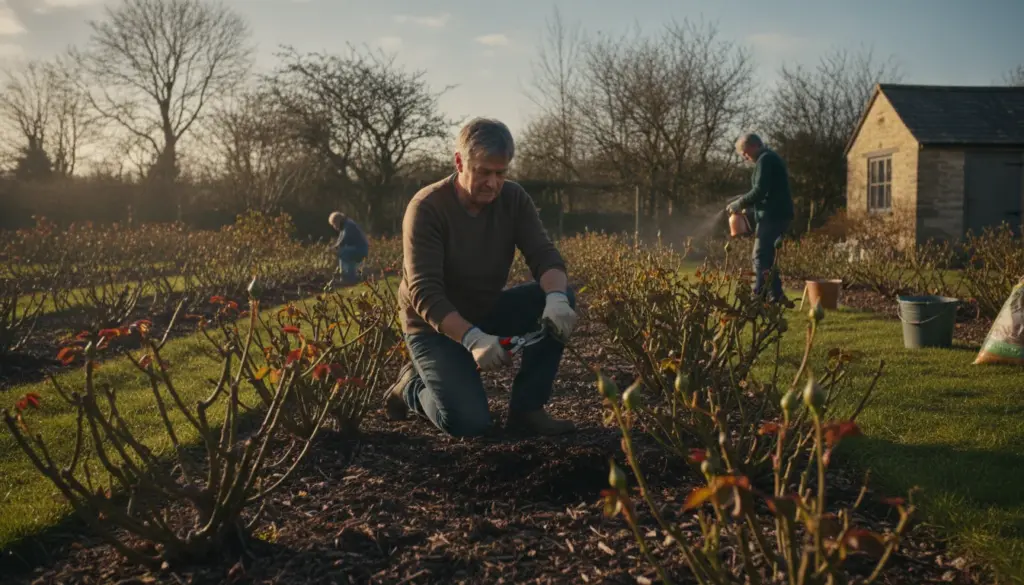
Countless gardeners only realize their beloved rose bushes are struggling when summer arrives, greeted by a dismal display of yellowing foliage, stark branches, and lackluster blooms. However, the true turning point for plant health happens much earlier in the year. By tackling three straightforward chores this March, you can cultivate vigorous, vibrant shrubs that easily fend off the dreaded black spot disease.
While developing dark blemishes on foliage is a remarkably common issue for these classic garden staples, the underlying damage goes far beyond mere aesthetics. Although this fungal infection rarely kills the host outright, it severely compromises the shrub’s overall vitality. Affected leaves erupt in deep black or purplish lesions before rapidly turning yellow and dropping to the ground long before autumn.
This premature defoliation directly hinders the plant’s ability to thrive. Fewer leaves mean a drastic reduction in photosynthesis, starving the shrub of vital energy. Consequently, the plant produces noticeably smaller, sparse flowers and suffers stunted growth. Furthermore, this relentless energy drain leaves your prized blooms highly susceptible to subsequent pest infestations and summer dry spells.
Understanding the Fungal Foe
The culprit behind this garden heartache is a microscopic fungus, scientifically known as Diplocarpon or Marssonina rosae, which perfectly aligns its life cycle with the changing seasons. Throughout the frigid winter months, the pathogen quietly survives hidden inside decayed plant debris and fallen foliage scattered around the base of the stems. Once the mild, damp weather of spring returns, the fungus aggressively reawakens.
Nature’s elements do the rest of the dirty work. Heavy spring rain splashes the microscopic spores directly onto tender, newly emerged foliage. From there, sweeping winds can easily carry the infection to neighboring shrubs. Whenever the ambient temperature hovers between 13 and 30 degrees Celsius, and moisture lingers on the foliage, the fungal spread accelerates at an alarming rate.
Why March is the Ultimate Window for Action
If you wait until June to begin treating your garden, you are already fighting a losing battle. Stepping in during March gives you a crucial biological advantage. During this exact seasonal window, the shrub is just beginning to push out new growth, and while the dormant fungus is stirring, it hasn’t yet mounted a full-scale assault on the canopy. Executing three specific maintenance tasks right now will prevent catastrophic summer damage.
1. The Spring Clean-Up: Banish All Plant Debris
The very first line of defense is shockingly basic yet incredibly effective: meticulous garden hygiene. Surprisingly, many seasoned horticulturalists skip this vital step year after year, inadvertently allowing the local infection pressure to compound. Your primary goal is to eliminate the pathogen’s winter hideout completely.
- Carefully rake up every single fallen leaf around the base, including partially decomposed organic matter.
- Pluck out any brittle, dead twigs or trapped debris wedged tightly between the branching shoots.
- Pay special attention to the dense inner core of the shrub, where old foliage notoriously gets lodged.
Never toss this infected debris onto your home compost pile. The resilient fungal spores will easily survive the ambient composting process, only to wreak havoc on your flowerbeds later. Instead, securely bag the material for household trash or send it away in a municipal green bin destined for high-heat professional processing. By drastically reducing the infectious material on the soil surface, you stop airborne spores from ever taking flight.
2. Nature’s Ultimate Barrier: Apply a Thick Mulch Layer
Once the soil is pristine, the next essential chore involves blanketing the ground beneath the canopy with a robust layer of mulch. While laying down wood chips or bark might seem like a generic landscaping trick, it functions as a formidable, physical shield against disease. Apply a layer roughly 3 to 5 centimeters thick across the entire root zone during the month of March.
Crucially, you must leave a small, bare ring directly around the main woody stems. Allowing damp material to constantly touch the crown invites devastating rot. This protective organic blanket expertly absorbs the impact of heavy raindrops, stopping contaminated soil from splashing up onto the pristine spring leaves. As a brilliant bonus, mulching simultaneously locks in essential moisture, stifles aggressive weed growth, and gradually enriches the soil profile.
3. Strategic Feeding: Building Unstoppable Immunity
The final pillar of early spring care revolves around robust nutrition. A well-nourished, vigorous specimen is inherently better equipped to tolerate environmental stress and ward off pathogenic attacks. When properly fed, the shrub develops dense foliage, thicker branching, and possesses the stamina to rapidly regenerate if minor spotting does eventually occur.
Because these flowering beauties are notoriously heavy feeders, they require a balanced fertilizer boasting sufficient nitrogen, phosphorus, and potassium, alongside vital trace elements. As an experienced gardener, you might utilize commercial organic blends, enriched cow manure pellets, or targeted liquid shrub formulations. For an extra boost, many enthusiasts swear by applying a natural liquid elixir—mixing exactly 10 milliliters of concentrate per 1 liter of water.
Always pour these liquid nutrients directly onto the soil to drench the root system, strictly avoiding the foliage. Time your initial fertilizer application for late March or the first week of April, just as the dormant buds begin to swell visibly. A secondary feeding around late June is typically all that is required for a standard growing season. Beware of over-applying pure nitrogen, as it forces the plant to produce overly soft, flimsy leaves that are highly susceptible to fungal penetration.
Expert Strategies to Further Minimize Fungal Risks
While clearing, covering, and feeding establish an ironclad foundation, integrating a few specialized horticultural habits will swing the odds even further in your favor. Strategic placement and smart watering techniques are absolutely paramount.
Prioritize Airflow and Sunlight
These majestic shrubs crave abundant sunshine and crisp breezes. Planting them in a well-ventilated, open area ensures that gentle winds rapidly dry off morning dew. Conversely, tucking them into cramped, damp corners guarantees that moisture will linger, creating a fungal paradise. Ensure your bushes receive an absolute minimum of four to five hours of direct sunlight daily, and always maintain generous spacing between individual plants.
If you are planning to expand your garden, intentionally select modern cultivars bred specifically for exceptional disease resistance. While antique, nostalgic varieties boast undeniable romantic charm, their genetic susceptibility often makes them high-maintenance focal points.
Mastering Hydration and Pruning
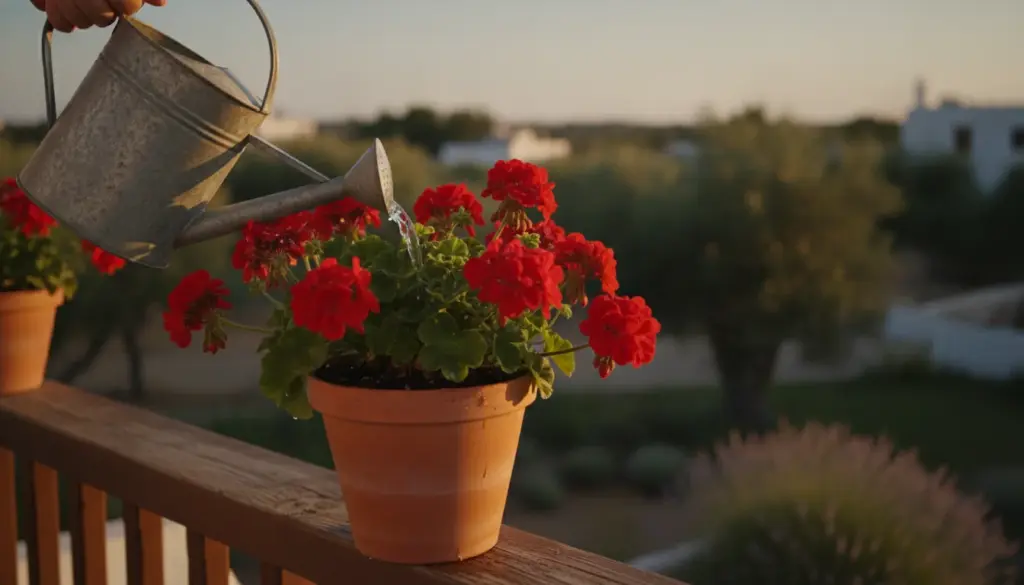
When providing supplemental irrigation, always aim your watering can or drip hose directly at the soil level. Spraying the canopy is a major misstep, particularly in the evening; foliage that remains wet overnight during balmy summer weather is an open invitation for a severe outbreak.
Furthermore, execute your annual pruning with airflow in mind. Aim to create an open, goblet-shaped center by cleanly removing any frail, overlapping, or inward-growing canes. Leaving just a few dominant, sturdy stems encourages maximum wind circulation, ensuring rapid drying after heavy rainstorms.
The Long-Term Rewards
Dedicated gardeners who religiously implement this specific March routine usually observe a dramatic transformation within just one or two growing seasons. You will be rewarded with remarkably cleaner foliage, impressively dense growth, and extended, prolific flowering periods. While it is virtually impossible to eradicate this persistent fungus from the local environment completely, its destructive grip on your landscape will systematically weaken.
For those eager to experiment further, incorporating natural supplements like powdered lava meal hardens the cellular tissue, while silica-rich horsetail extracts and specific clay minerals offer supplemental defense mechanisms. However, these holistic additions should only accompany—never replace—the three foundational spring chores that guarantee a spectacular, disease-free summer display.