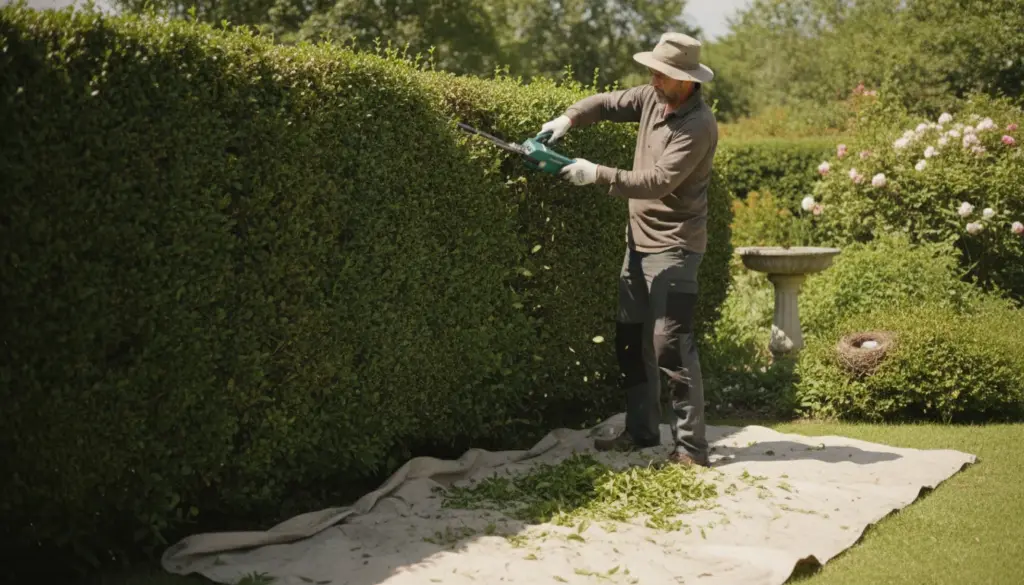
Summer Hedge Pruning: Perfect Timing and Important Regulations
Summer is in full swing, and your garden greenery is likely experiencing a massive growth spurt. If you are reaching for your pruning tools right now, a few crucial guidelines will help you protect both your plants and local wildlife. Mid-summer is actually a fantastic window for a shaping trim, provided you know exactly what to look out for. However, aggressive cutbacks are strictly off-limits during this time of year.
According to nature conservation laws, heavily cutting back or severely reducing hedges is forbidden between March 1st and September 30th. This vital regulation exists to shelter breeding birds and small animals that rely on dense foliage for their nests. Thankfully, gentle maintenance trims to tidy up fresh growth are perfectly legal. Before making a single snip, always inspect your shrubs meticulously for active nests. If you spot a feathered family residing in the branches, simply postpone your landscaping plans for that specific area. By the end of July, common garden visitors like robins, wrens, and blackbirds have usually finished raising their young.
Expert Tip: Prune Later to Save Time
During the latter half of June, many woody plants produce a secondary flush of growth, commonly known as St. John’s shoots. By waiting until July to tidy up your yard, you can effectively bypass this late-season growth spurt. This clever timing often saves you from having to execute an additional follow-up trim in August.
The Ultimate Summer Trim for Deciduous and Conifer Hedges
Broadleaf Hedges: Shaping for Maximum Density
- Ideal timing: Aim for late June or July for your primary shaping session. Fast-growing varieties, such as privet or hornbeam, might require a secondary touch-up towards the end of August.
- Proper technique: Always trim your shrubs into a slight trapezoid shape, keeping the base wider than the top. This angled structure allows sunlight to reach the lower branches, preventing the bottom from thinning out. Start on the sides, working your way upward.
- Cutting depth: Restrict your trimming to the current year’s new foliage. A solid rule of thumb is to remove no more than 5 to 10 centimeters of growth per session.
- Tool selection: While electric trimmers work beautifully for most standard foliage, large-leaved species like cherry laurel require a different approach. Using manual hand shears prevents the leaves from being torn, which otherwise leads to unsightly brown, ragged edges.
- Boxwood care: Avoid manicuring boxwoods and similar topiaries on blazing hot afternoons. Exposing previously shaded inner leaves to intense sunlight can quickly cause severe scorching.
Evergreen Conifers: A Careful Annual Trim
- Ideal timing: Needled evergreens typically only need one haircut per year, making July the absolute best month for the job.
- Proper technique: Just like broadleaf shrubs, aim for that sunlight-catching trapezoid form. Carefully sculpt the sides first before moving upward.
- Cutting depth: Always leave at least one-third of the fresh, green shoots intact. Never cut into the old, brown wood. Popular conifers like arborvitae or false cypress cannot regenerate from barren branches, leaving permanent bald spots.
- Tool selection: Consistently rely on impeccably sharp, high-quality shears. Clean cuts heal faster and minimize stress on the plant tissue.
- The Yew exception: The resilient yew stands out among evergreens. It boasts exceptional pruning tolerance and will actually sprout fresh green growth even if heavily cut back into the older, woody stems.
Boosting Recovery: Post-Pruning Nutrition
Losing foliage is a stressful event for any plant, temporarily draining its energy reserves. To encourage vigorous recovery and lush development, it is highly beneficial to feed your greenery immediately following a trim. Gently working well-aged compost into the soil around the root zone delivers a fantastic, slow-release nutrient boost.
Golden Rules for a Flawless Finish
- Sanitize to protect: Plant hygiene is just as important as technique. Wipe down your blades with rubbing alcohol after finishing your yard work, especially if you encountered diseased branches. Consistently using freshly sharpened tools prevents ragged, crushed stems and stops fungal spores from spreading.
- Hand shears vs. Power tools: Ditching the motor isn’t just for cherry laurels. For detailed corrections and precision work, a manual shear offers superior control and is significantly gentler on the plant’s vascular system. If you do opt for an electric trimmer to save time, always use a sturdy ladder instead of dangerously overreaching above shoulder height.
- Use a visual guide: To achieve that picture-perfect, level top, run a taut string line across the entire length of your working area before you start clipping.
- Recycle your clippings: Don’t just toss those healthy trimmings in the yard waste bin. If the plant species is non-toxic, running the debris through a shredder creates an outstanding organic mulch. Spreading this beneath your bushes naturally suppresses weeds, locks in vital soil moisture, and gradually feeds the earth as it breaks down.