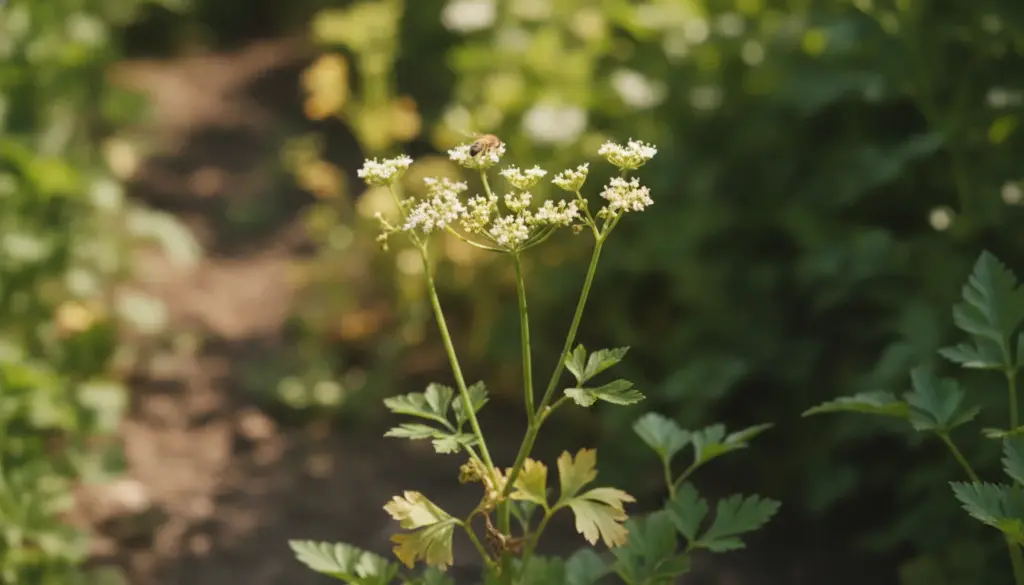
Fresh parsley is an absolute staple in a well-stocked kitchen, but there is a strict cutoff for consuming it safely. Once this popular culinary herb begins to bloom, it starts accumulating compounds that are genuinely harmful to your health.
While flowering garden herbs might look beautiful and offer a wonderful nectar source for local bees, they undergo significant internal changes. Most culinary plants alter their flavor profile dramatically as soon as blossoms appear. However, when it comes to parsley, the situation goes beyond a simple change in taste. You should completely avoid consuming this specific plant once it enters its reproductive phase, as it builds up unhealthy toxins within its foliage.
The Hidden Dangers of Flowering Parsley
If you cultivate your own herb garden, you have likely noticed that this biennial plant only develops flowers during its second year of growth. From the exact moment those blossoms form, the entire plant becomes a health risk. Removing the flowers will not make the leaves safe to eat again. The concentration of essential oils in the greenery spikes drastically during this stage, leading to a dangerous buildup of toxic substances, most notably apiol.
Apiol is an organic compound that also naturally occurs in celery, making up the vast majority of parsley’s essential oil content. In very small, typical culinary doses, this substance actually acts as a diuretic and digestive aid, historically associated with relieving constipation, rheumatism, gout, and even certain eye conditions. However, when concentrated in flowering plants, the high dosages can trigger severe allergic reactions and potentially cause lasting damage to the kidneys, liver, and heart. Expectant mothers must be particularly cautious and should avoid the plant entirely during this stage to protect their pregnancy.
Which Flower Blossoms Are Actually Edible?
You do not have to avoid all garden blossoms just because a few are toxic. The flowers of many summer shrubs and herbs remain perfectly safe and delightful to eat. You can confidently garnish your dishes with dandelion, daisy, and lavender petals. Other surprisingly edible blooms include marigolds, cornflowers, gladioli, scented geraniums, autumn asters, dahlias, begonias, violets, roses, and elderflowers.
How Blooming Affects Other Common Herbs
Several other common garden plants also shift their chemical composition when flowering, yet they remain perfectly safe to consume—blossoms included. Here is how their culinary properties change once they bloom:
- Peppermint, lemon balm, sage, and thyme: The overall flavor profile often turns distinctly unpleasant and medicinal.
- Lovage: The leaves lose their signature savory punch and intensity.
- Chives: The moment blossoms appear, the green stalks turn tough, woody, and quite bitter.
- Basil: The sweet, peppery leaves develop a harsh, grassy undertone.
- Tarragon, dill, and chervil: These delicate greens simply lose most of their aromatic oils.
As a general horticultural rule, herbs boast their most robust and appealing flavors just before they bloom, because afterward, the plant redirects all its energy into seed production. There are exceptions, of course; savory, rosemary, and oregano retain their delicious taste regardless of their flowering cycle.
Conversely, extreme caution is advised with a few other garden favorites. Borage naturally contains compounds known to be carcinogenic and damaging to human organs. Meanwhile, flowering woodruff experiences a massive surge in a compound called coumarin. Consuming blooming woodruff in high or frequent doses can result in severe headaches and long-term liver toxicity.